£7.65 – £10.01Price range: £7.65 through £10.01
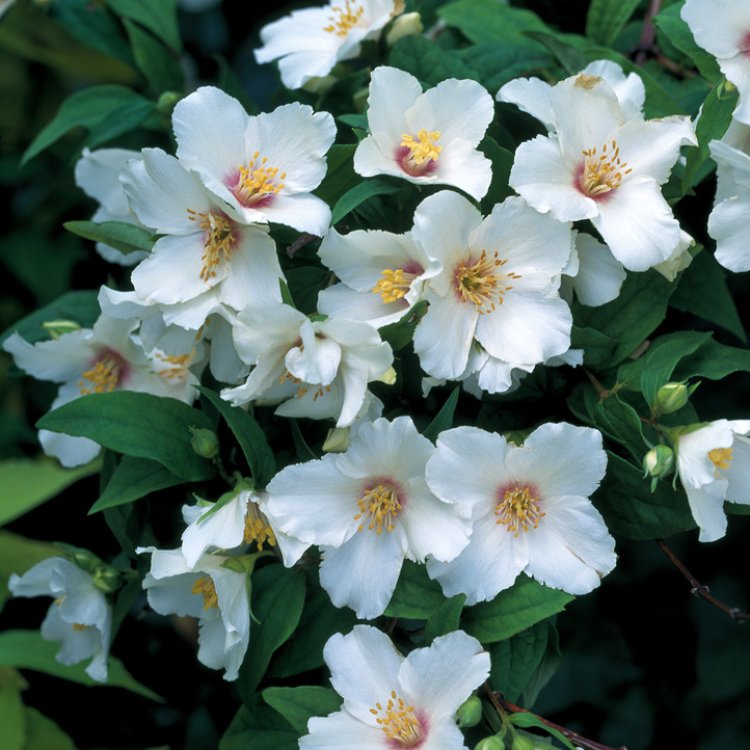
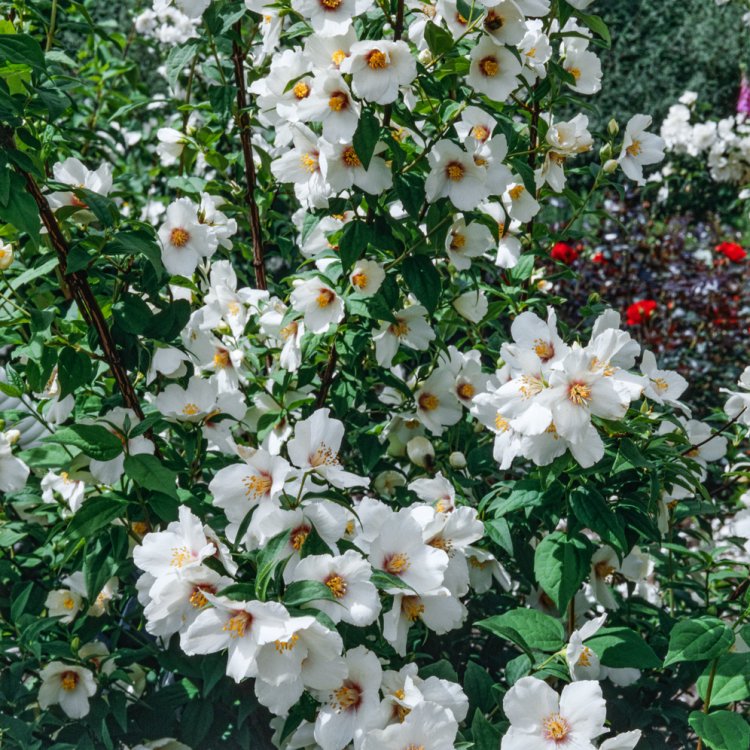
Philadelphus ‘Belle Etoile’, or Mock Orange, offers abundant, fragrant white flowers with unique reddish-purple centres. This versatile, deciduous shrub provides a delightful scent in early summer and attracts vital pollinators to UK gardens.
1300 in stock
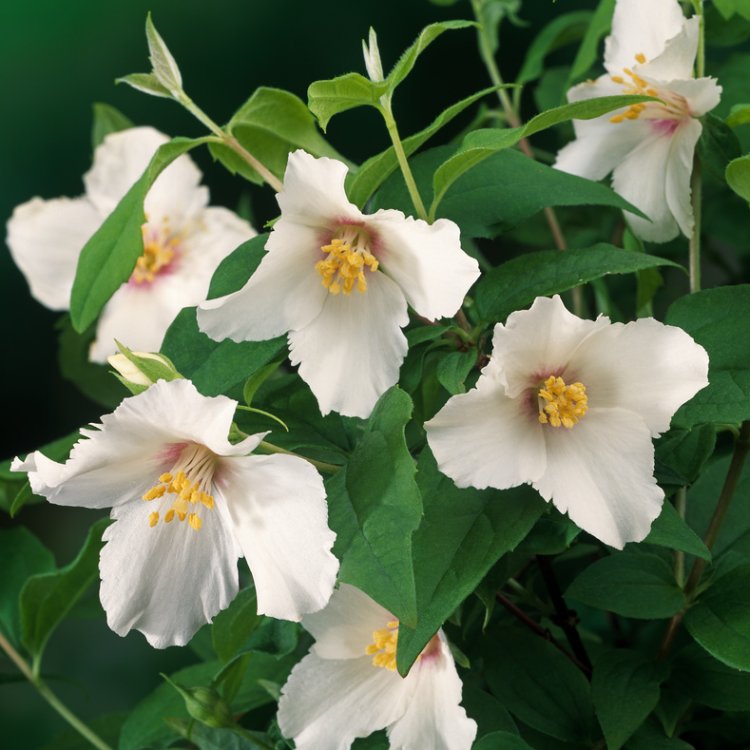
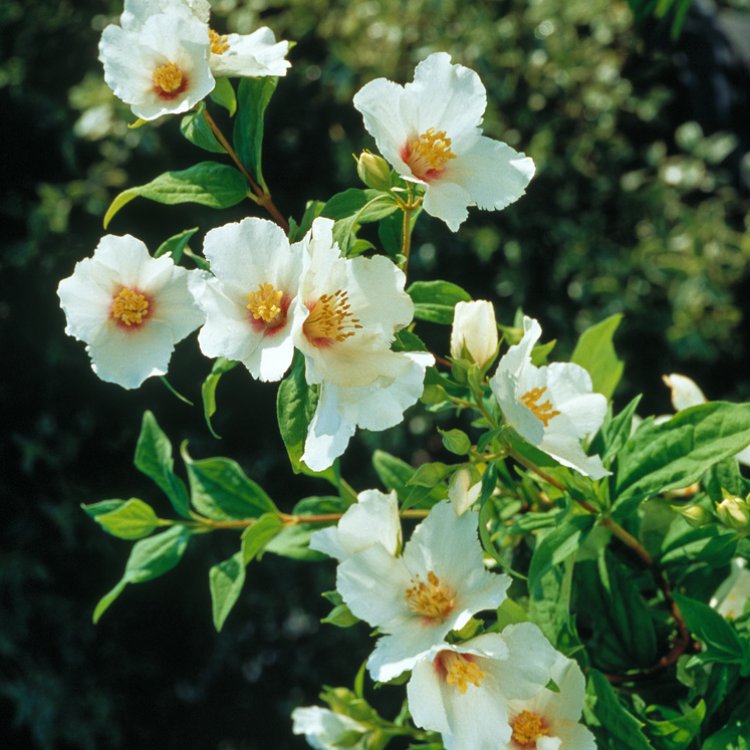
Philadelphus ‘Belle Etoile’ captivates with its abundant, fragrant, pure white flowers, each marked by a striking reddish-purple blotch at its heart. This charming deciduous shrub, often known as Mock Orange, brings delightful scent and visual interest to UK gardens during early summer. Gardeners value its elegant blooms and robust nature, making it a truly rewarding addition. The plant is easy to grow and provides a traditional cottage garden feel. Moreover, it attracts beneficial pollinators, contributing to local biodiversity.
Philadelphus ‘Belle Etoile’ is a superb cultivar, highly prized for its exceptional floral display. Its name, meaning ‘beautiful star’ in French, perfectly describes its stunning, star-like flowers. This Mock Orange cultivar originated in France, a testament to its refined beauty. Each flower boasts single, pure white petals, which unfurl gracefully. Indeed, the most captivating feature is the striking purple-pink blotch at the base of the petals. This creates a wonderful contrast, making each bloom truly memorable.
The flowering period for Philadelphus ‘Belle Etoile’ typically begins in June and often extends into July. During this time, the shrub becomes completely covered in its exquisite, highly scented blossoms. The perfume is strong and sweet, hence many gardeners plant it near paths or seating areas. Furthermore, its mid-green, ovate leaves offer a dense, healthy appearance throughout the growing season. This rich foliage provides an excellent backdrop for the bright summer flowers. As a deciduous shrub, its leaves will turn yellow before falling in autumn.
This versatile shrub works well in many garden settings. You can use Philadelphus ‘Belle Etoile’ as a specimen plant, allowing its beauty to shine alone. Alternatively, integrate it into mixed borders where it adds height and structure. It also thrives in cottage gardens, contributing to their classic charm. Importantly, the abundant flowers of this Mock Orange are a magnet for wildlife. Bees, butterflies, and other pollinators flock to its nectar-rich blooms, therefore supporting garden ecosystems. Planting this shrub actively helps to enhance local biodiversity.
Philadelphus ‘Belle Etoile’ is generally a low-maintenance plant. It grows with an average rate, forming a well-branched, rounded bush. Light pruning benefits the shrub significantly. Gardeners should prune it after flowering finishes in late summer. This helps to maintain its shape and encourages vigorous new growth. Fresh growth will produce more flowers for the following season. Always remove any old, woody stems from the base. This also promotes a healthy, open structure for your Mock Orange.
Very hardy. Tolerates temperatures typical of a continental winter.
This plant is deciduous so it will lose all of its leaves in the autumn and get fresh new foliage each spring.