£50.76 – £60.19Price range: £50.76 through £60.19
Amelanchier alnifolia ‘Obelisk’ is a superb columnar Juneberry tree, offering white spring flowers, edible summer berries for birds, and fiery autumn foliage. Perfect for compact UK gardens, it provides year-round beauty and wildlife interest.
46 in stock
Discover Amelanchier alnifolia ‘Obelisk’, a remarkable Juneberry tree. It offers stunning seasonal interest and a distinctive upright form perfect for any UK garden.
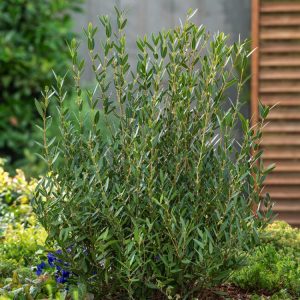
Amelanchier alnifolia ‘Obelisk’ captivates with its dynamic presence throughout the year. This elegant small tree, often called Juneberry, delivers delightful spring flowers, edible summer fruits, and spectacular autumn foliage colours. Its naturally slender and columnar habit makes it a superb choice for smaller spaces or as an architectural statement. Gardeners appreciate its robust nature and multiple seasons of appeal, making it a valuable addition to any planting scheme. Moreover, this plant provides great benefits for local wildlife.
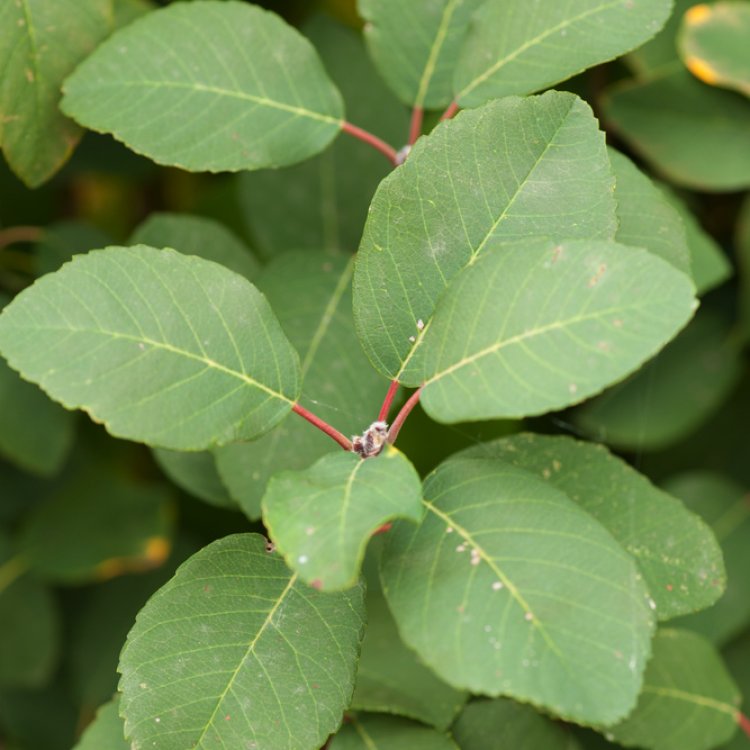
The name Amelanchier comes from a French term for a European species. ‘Alnifolia’ describes its alder-like leaves. The cultivar ‘Obelisk’ perfectly captures its distinctive, pencil-thin, columnar growth habit. This makes Amelanchier alnifolia ‘Obelisk’ an excellent choice for compact gardens, narrow borders, or as a sophisticated vertical accent. It grows steadily, forming a strong, narrow silhouette that draws the eye upward.
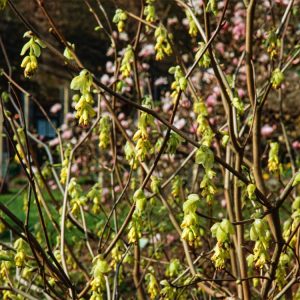
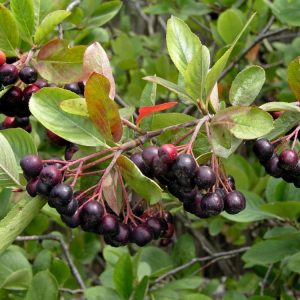
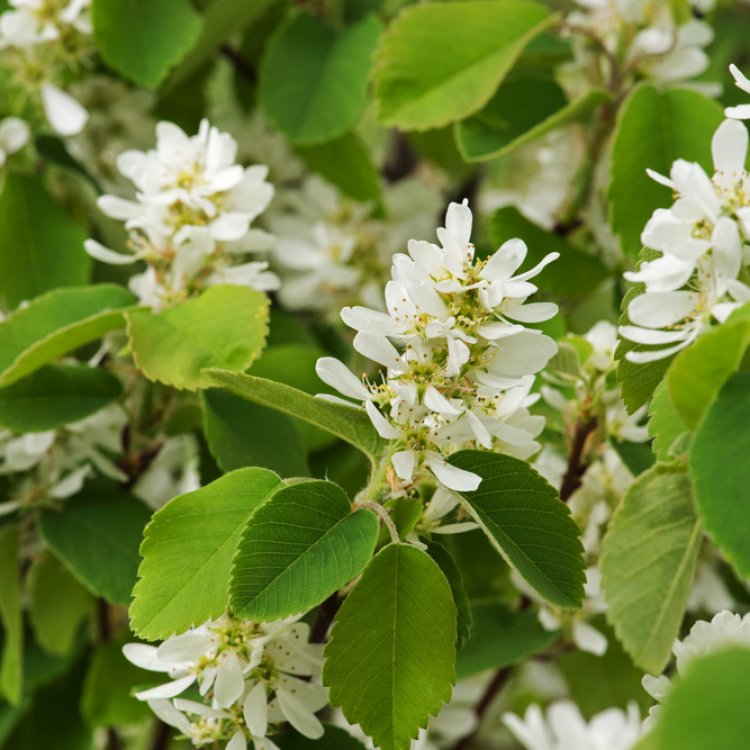
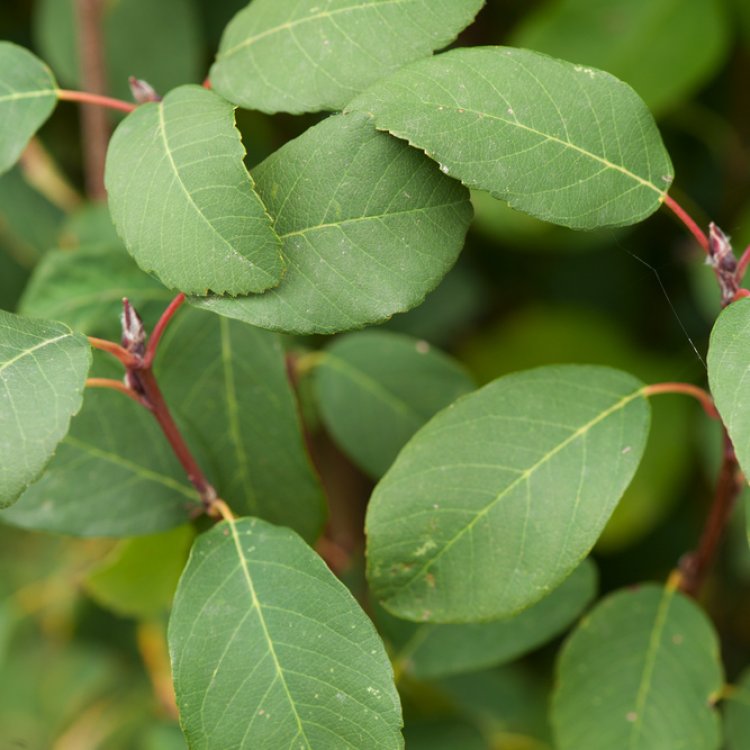
Spring truly brings this Juneberry to life. Masses of delicate white, star-shaped flowers emerge before the leaves fully unfurl. These create a stunning display. These blossoms provide an early source of nectar for bees and other vital pollinators. Following this floral show, the leaves emerge with an attractive bronzy hue. They transition to a fresh green as summer progresses. The tree then produces small, round, purplish-black berries. These fruits are sweet and edible, often enjoyed by both humans and birds. This gives rise to the common name ‘Juneberry’. Birds especially value them. This plant is a wonderful choice for wildlife gardens.
As autumn arrives, Amelanchier alnifolia ‘Obelisk’ transforms into a blaze of colour. Its foliage turns vivid shades of orange and fiery red. This offers a magnificent seasonal spectacle. This strong autumnal interest ensures the plant remains a focal point in the garden. Gardeners often use this versatile tree as a striking specimen plant. Consider placing it near a patio or entranceway. It also works well in mixed borders, adding height without significant width. Furthermore, its upright form makes it suitable for informal hedging or screening in smaller areas. Minimal pruning is typically required. Prune mainly to remove dead or crossing branches, or to maintain its naturally elegant shape if desired. This resilient tree thrives in most well-drained soils. It tolerates a range of light conditions from full sun to partial shade. This makes it a highly adaptable and rewarding plant for UK gardens.
Very hardy. Tolerates temperatures typical of a continental winter.
Amelanchier alnifolia 'Obelisk' requires minimal care. Ensure it has well-drained soil. Water regularly during dry spells, especially in its first year. Prune lightly in late winter or early spring to remove any dead, damaged, or crossing branches, maintaining its natural columnar shape. No heavy pruning is usually needed.
This plant is deciduous so it will lose all of its leaves in the autumn and get fresh new foliage each spring.