£53.57 – £55.93Price range: £53.57 through £55.93
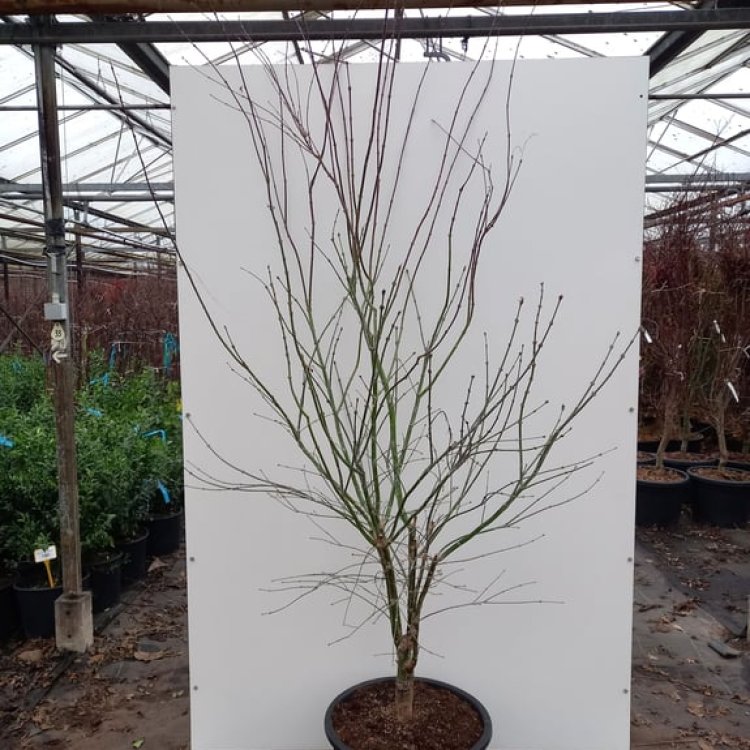
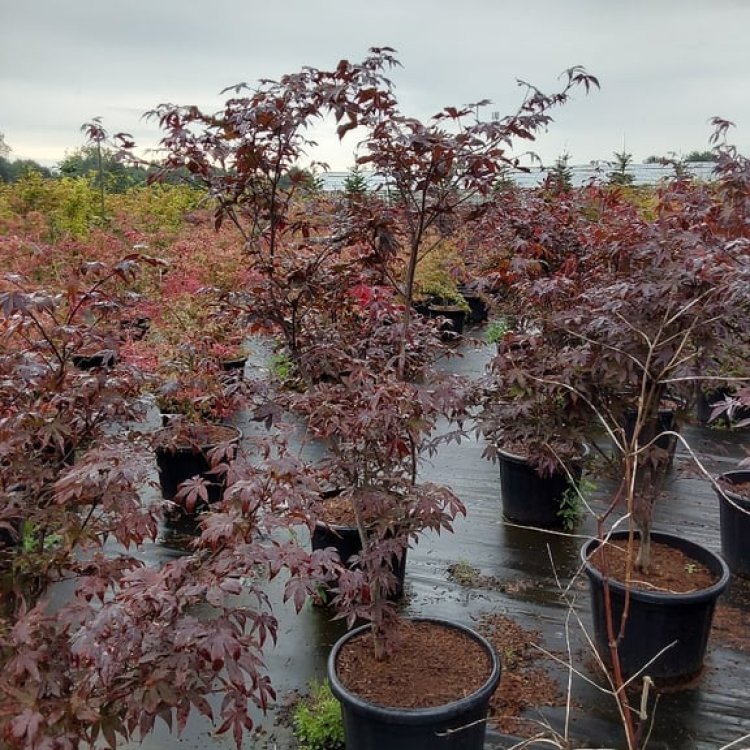
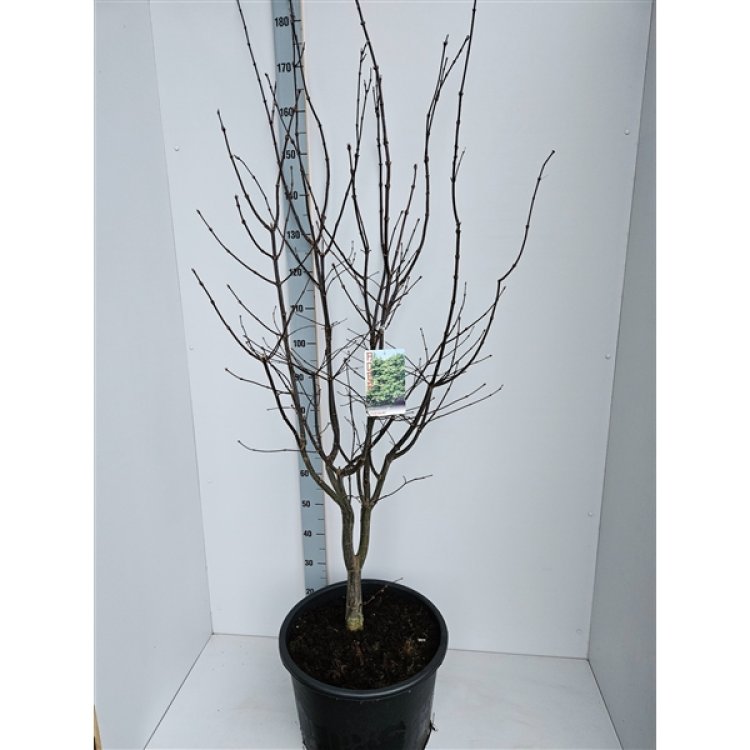
Acer palmatum ‘Osakazuki’ offers truly spectacular autumn foliage, transforming into fiery scarlet and crimson. This vigorous Japanese maple provides year-round interest and makes an outstanding specimen plant for any UK garden.
61 in stock
Discover the vibrant Acer palmatum ‘Osakazuki’, a Japanese maple renowned for its breathtaking, fiery autumn foliage, making it a garden centrepiece.
Acer palmatum ‘Osakazuki’ stands out among Japanese maples for its truly spectacular seasonal display. This distinguished cultivar brings year-round interest to UK gardens. It transforms wonderfully with each passing season. Initially offering fresh green leaves, its real magic unfolds as autumn approaches. Gardeners value this plant for its consistent and reliable performance. It always ensures a dazzling show year after year.
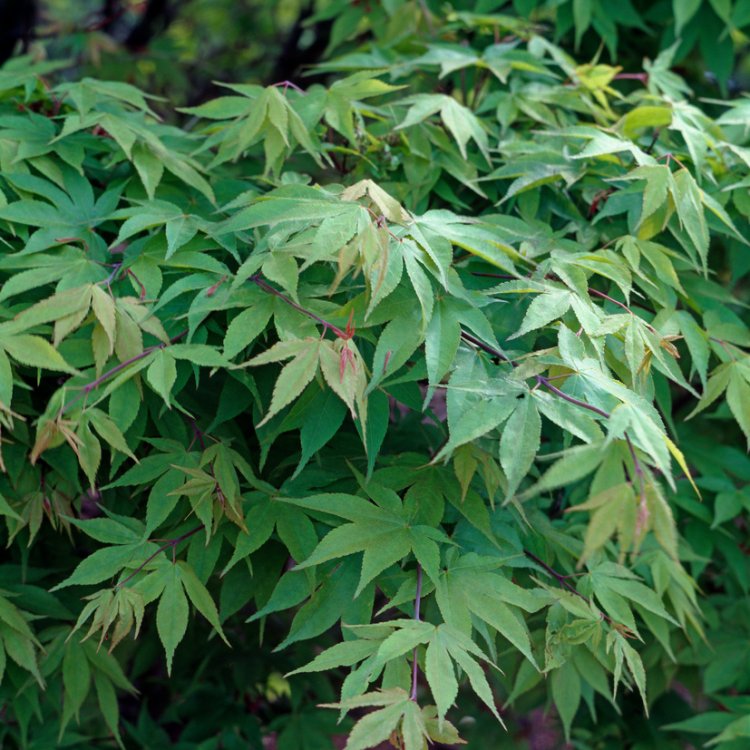
The striking Acer palmatum ‘Osakazuki’ offers a magnificent spectacle. Its leaves emerge bright green in spring. Throughout summer, they retain this fresh, vibrant hue. As cooler days of autumn arrive, this Japanese maple undergoes a dramatic transformation. The foliage shifts into an incredibly rich and fiery scarlet. Subsequently, it deepens to a brilliant crimson. This consistent, reliable display makes it a celebrated maple for autumn colour.
The seven-lobed leaves are notably larger than many other Japanese maples. They give the plant a bold, distinct presence in the garden. Each leaf shape is clearly defined, adding to its visual appeal.
The name ‘Osakazuki’ holds special meaning. It refers to the traditional Japanese sake cup, often used for celebratory drinks. This name perfectly describes the leaf’s elegant, rounded, and slightly cupped shape. Therefore, the plant carries a sense of festivity and beauty within its very name. This cultivar originates from Japan. It has been cultivated for centuries due to its outstanding ornamental qualities. Its vigorous growth and robust nature make it a popular choice for many gardeners.
Acer palmatum ‘Osakazuki’ suits many garden styles. It makes an outstanding specimen tree. Gardeners often plant it as a focal point. Its upright, spreading habit creates a strong silhouette. This adds structure and elegance to borders or woodland settings. Place it where sunlight can illuminate its vibrant autumn leaves. This ensures the most spectacular colour display.
While its flowers are small and reddish-purple in spring, they are not a main feature. Instead, the plant offers shelter for small birds. This contributes to garden biodiversity. Minimal pruning is typically needed. Remove only dead or crossing branches. Shape it carefully if required.
Very hardy. Tolerates temperatures typical of a continental winter.
Water regularly, especially in dry periods and for young plants. Apply a balanced, slow-release fertiliser in spring. Protect from strong, drying winds. Mulch annually with organic matter to retain moisture and suppress weeds. Prune only to remove dead, damaged, or crossing branches, ideally in late summer to early autumn to prevent sap bleed. Protect young plants from severe frost.
This plant is deciduous so it will lose all of its leaves in the autumn and get fresh new foliage each spring.