£16.58 – £18.94Price range: £16.58 through £18.94
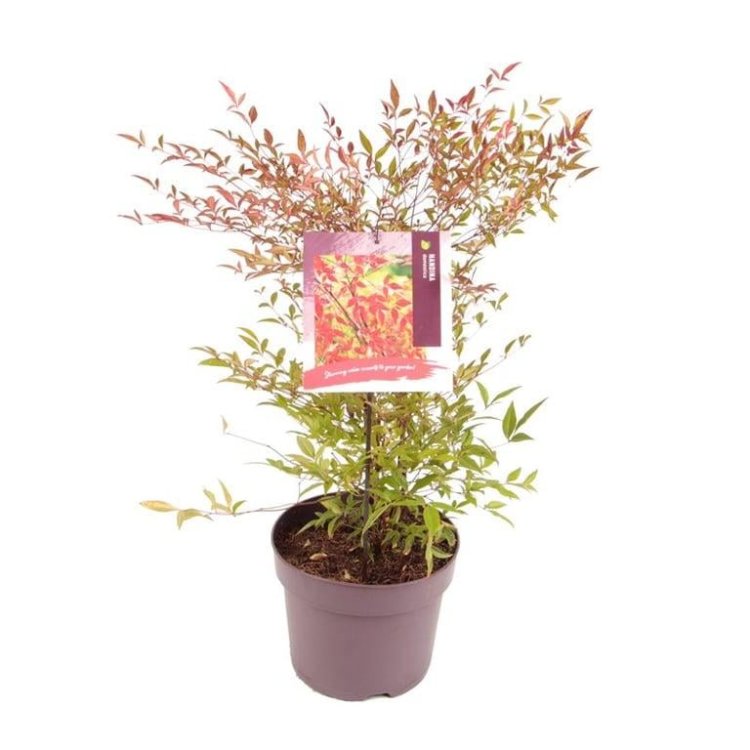
Nandina domestica, or Heavenly Bamboo, offers year-round beauty with elegant foliage, delicate white summer flowers, and vibrant red autumn/winter berries. Its leaves transform to stunning reds and oranges, providing dynamic seasonal interest and a touch of oriental charm to UK gardens.
97 in stock
Discover Nandina domestica, the elegant Heavenly Bamboo, cherished for its year-round appeal and vibrant seasonal colour changes in UK gardens.
Often called Heavenly Bamboo, Nandina domestica is a truly captivating shrub. Despite its common name, it is not a true bamboo, but rather an evergreen to semi-evergreen plant offering dynamic interest. This versatile plant brings a refined, oriental touch to many garden styles. Hence, its botanical name ‘domestica’ reflects its long history in cultivation. Its slender, upright stems and finely textured leaves make it a popular choice for gardeners seeking both beauty and resilience.
Nandina domestica, derived from a Japanese term, earned its ‘Heavenly Bamboo’ moniker because of its graceful, cane-like stems and finely divided leaves. However, it belongs to the barberry family (Berberidaceae), which clearly distinguishes it from true bamboos. The species epithet ‘domestica’ highlights its long-standing presence in gardens and its cultivation for centuries across different cultures.
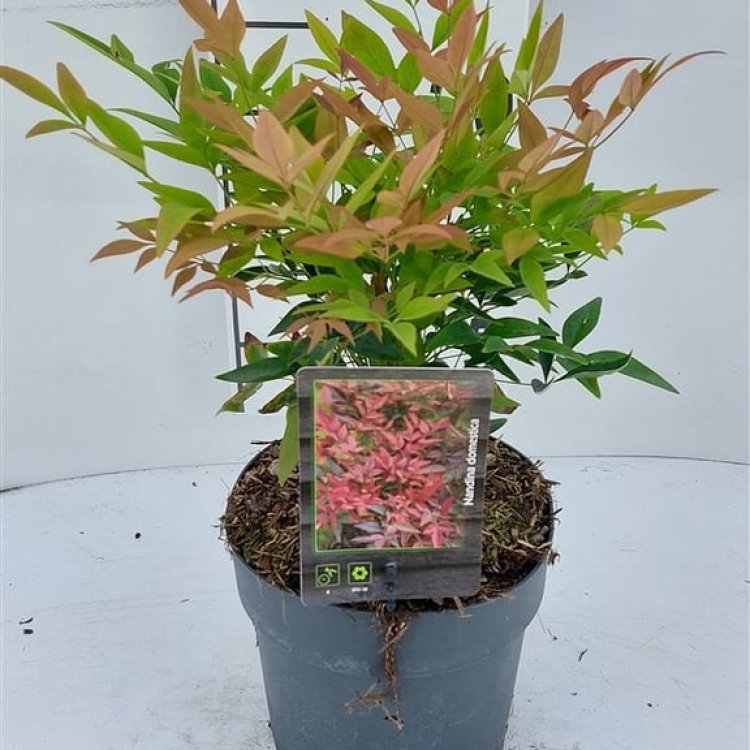
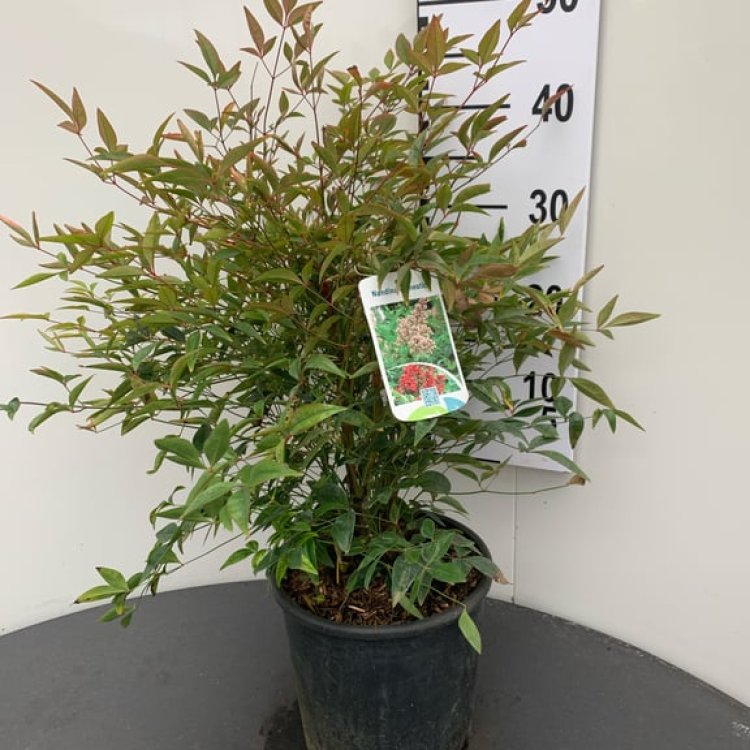
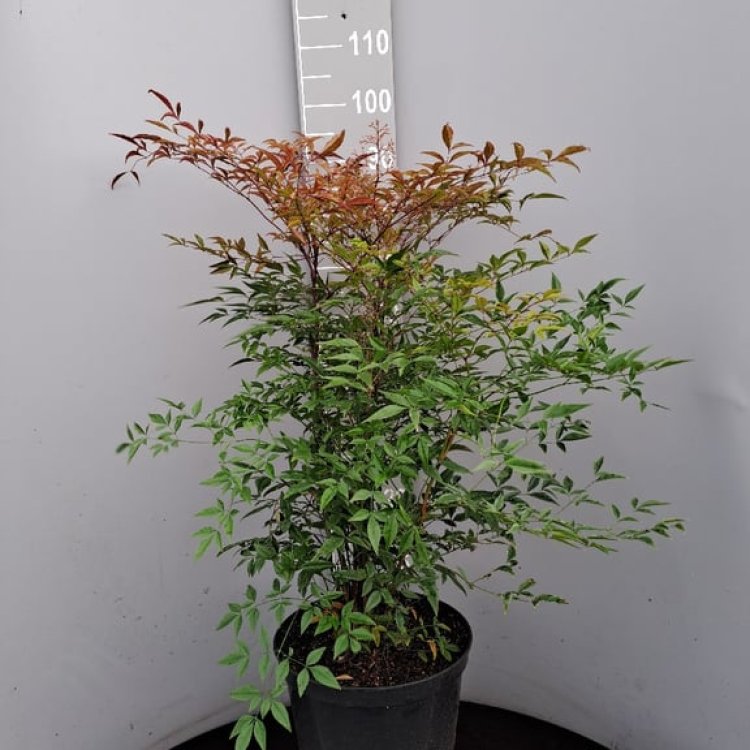
This plant truly shines with its ever-changing display. New foliage emerges with attractive reddish tones, gradually maturing to a fresh green throughout the growing season. As autumn arrives and temperatures drop, the leaves of Nandina domestica transform into striking shades of red, orange, and purple. This provides a magnificent spectacle throughout the colder months, ensuring lasting visual appeal.
Beyond its remarkable foliage, Nandina domestica produces sprays of delicate, star-shaped white flowers during the summer. These blossoms, although subtle, add a charming touch to the plant’s overall appearance. Following the flowers, the plant develops clusters of glossy, bright red berries. These vibrant berries remain on the plant throughout autumn and winter. They offer a cheerful contrast against the colourful leaves and attract garden birds, which appreciate this valuable food source.
Nandina domestica fits seamlessly into various garden designs. Its upright, architectural form makes it an excellent choice for borders, providing structure and vertical interest. Many gardeners also use it as an elegant specimen plant, in informal hedges, or planted in containers to accentuate patios and doorways. Generally, this plant requires minimal pruning; gardeners usually only remove old or damaged stems to maintain its attractive shape and encourage fresh growth. This low-maintenance quality further enhances its appeal.
Hardy in all of the UK and northern Europe. Suitable for exposed sites.
Plant in well-drained soil, ideally in a sunny to partially shaded spot. Water regularly during its first growing season until established. Once mature, Nandina domestica becomes drought-tolerant. Minimal pruning is typically required; simply remove any dead, damaged, or crossing stems in late winter or early spring to maintain its shape and promote healthy new growth.