£47.59 – £49.95Price range: £47.59 through £49.95
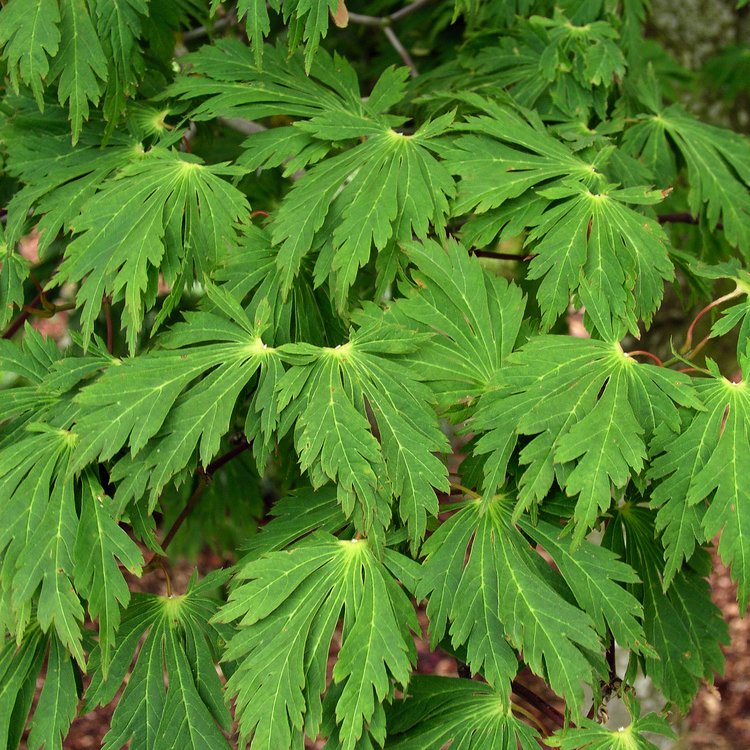
Acer japonicum ‘Aconitifolium’, the Fernleaf Maple, boasts exquisite deeply cut, fern-like green leaves. It transforms into a blaze of fiery reds and oranges in autumn, creating a stunning focal point. This graceful, slow-growing Japanese maple thrives in partial shade, perfect for any UK garden.
70 in stock
Acer japonicum ‘Aconitifolium’ brings unrivalled autumn colour to UK gardens. This stunning Japanese maple features deeply cut, fern-like leaves, offering year-round visual interest.
Often referred to as the Fernleaf Maple, Acer japonicum ‘Aconitifolium’ is a truly exceptional deciduous tree. It stands out with its intricate foliage, providing an elegant, delicate texture. Originating from Japan, this cultivar offers a dramatic display throughout the seasons. It makes a prized choice for many garden styles. Its refined form and vibrant leaves enrich any planting scheme.
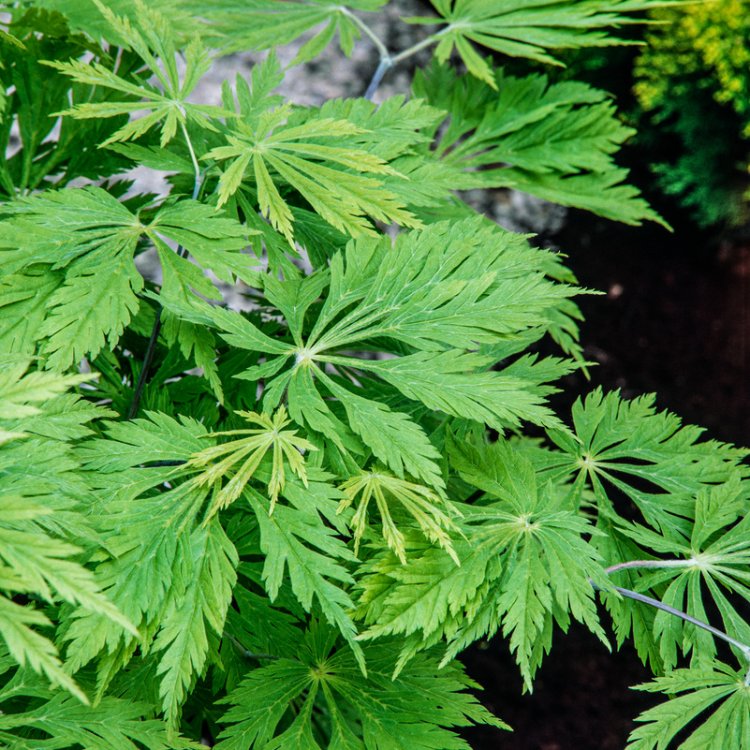
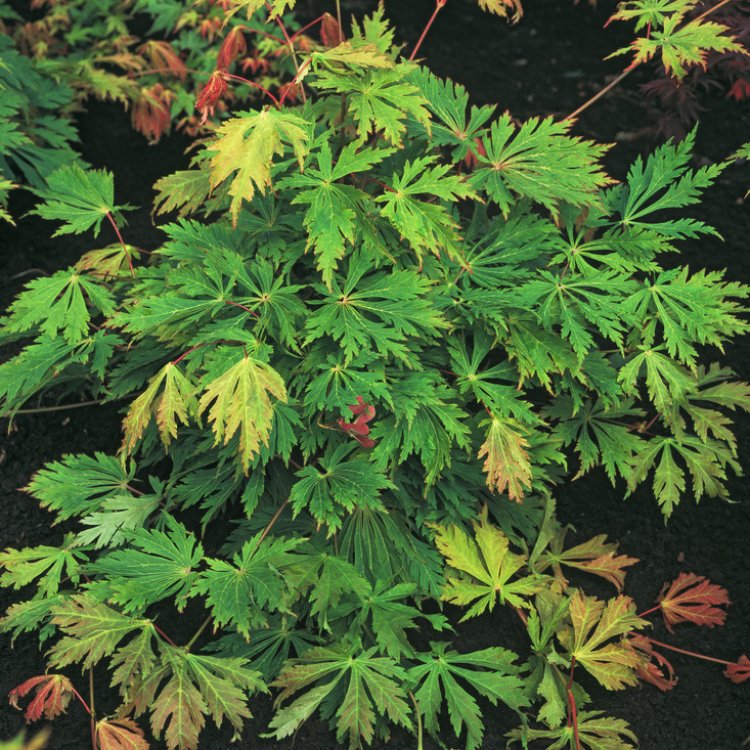
The name Acer japonicum ‘Aconitifolium’ hints at its most distinctive feature: its foliage. The specific epithet ‘Aconitifolium’ means ‘with leaves like Aconitum’. This refers to the deeply cut, palmate leaves that resemble those of Monkshood. Each leaf is intensely lobed, creating a delicate, fern-like appearance. Throughout spring and summer, these leaves maintain a fresh, bright green hue. They add a soft texture to the garden.
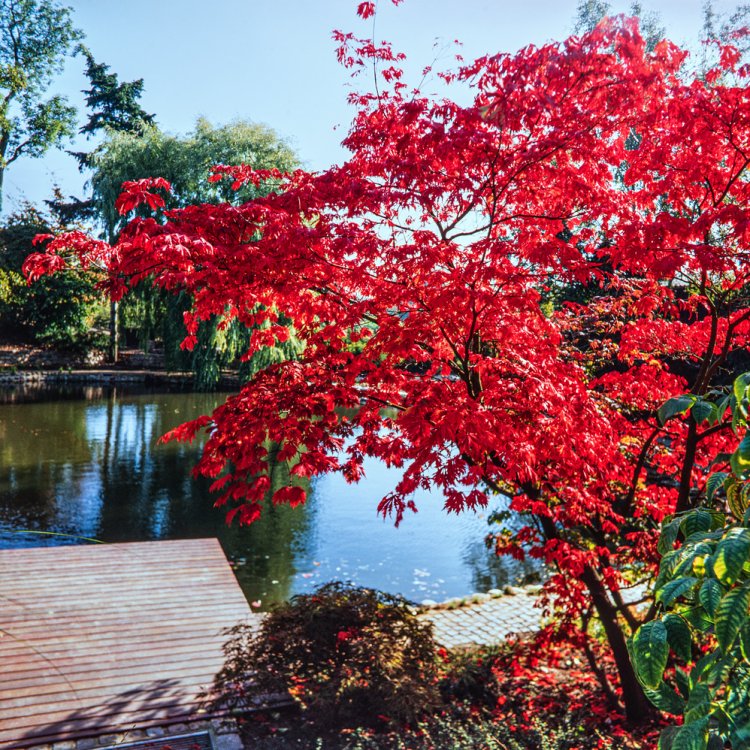
As the seasons change, so too does the beauty of Acer japonicum ‘Aconitifolium’. In autumn, its green foliage transforms into a breathtaking palette of scarlet, crimson, and vibrant orange. This spectacular display makes it a superb focal point. It draws the eye with its intense coloration. Gardeners often place this Japanese maple where its autumn leaves can truly shine. Perhaps they plant it against a dark evergreen backdrop.
This elegant plant works well in various garden settings. It makes an excellent specimen tree. It stands alone to showcase its unique form and seasonal colour. Furthermore, its moderate size means it fits beautifully into mixed borders or woodland gardens. Its delicate appearance also suits container planting, provided the pot is large enough and drainage is good.
The Acer japonicum ‘Aconitifolium’ does not produce showy flowers. Instead, it offers small, reddish-purple blooms in spring. These are often overlooked, blending into the emerging foliage. While not a primary magnet for pollinators, the tree does offer shelter. It provides a habitat for small garden wildlife, contributing to biodiversity within the garden ecosystem.
Pruning of Acer japonicum ‘Aconitifolium’ is generally minimal. Gardeners mostly focus on removing any dead, damaged, or crossing branches. This light maintenance is best carried out in late winter or early spring. This happens before the sap begins to rise. Excessive pruning is rarely needed and can detract from the plant’s natural, graceful shape.
Very hardy. Tolerates temperatures typical of a continental winter.
Acer japonicum 'Aconitifolium' thrives with consistent moisture, especially during dry spells; ensure the soil is well-drained to prevent waterlogging. Plant in fertile, slightly acidic soil, ideally enriched with organic matter. Apply a balanced slow-release fertiliser in spring, or top-dress with compost. Pruning should be minimal, focused on removing dead, damaged, or crossing branches in late winter or early spring before new growth starts. Protect young plants from strong winds and late frosts, and apply a good mulch around the base for insulation and moisture retention. This plant is generally healthy, but monitor for common pests like aphids or signs of powdery mildew in stressed conditions.
This plant is deciduous so it will lose all of its leaves in the autumn and get fresh new foliage each spring.