£34.09 – £36.45Price range: £34.09 through £36.45
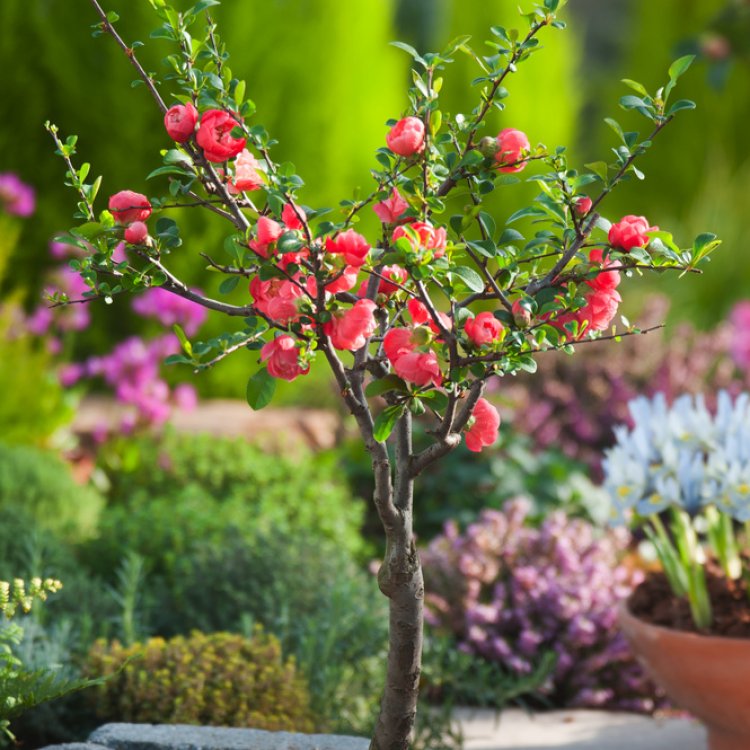
Chaenomeles japonica, the Japanese Quince, is a hardy deciduous shrub bursting with vibrant red, orange, or pink flowers in early spring. Its thorny branches and edible fruits make it a superb choice for wildlife-friendly hedges and borders in UK gardens.
78 in stock
Embrace early spring vibrancy with Chaenomeles japonica, a resilient and charming shrub bringing bursts of colour to your UK garden.
Discover the enduring beauty of Chaenomeles japonica, also known as Japanese Quince or Flowering Quince. This distinguished deciduous shrub heralds the arrival of spring with its spectacular display of vibrant blooms. Originating from East Asia, it has long been cherished in British gardens for its hardiness and ornamental appeal. This plant truly adds character and life when other plants are still dormant.
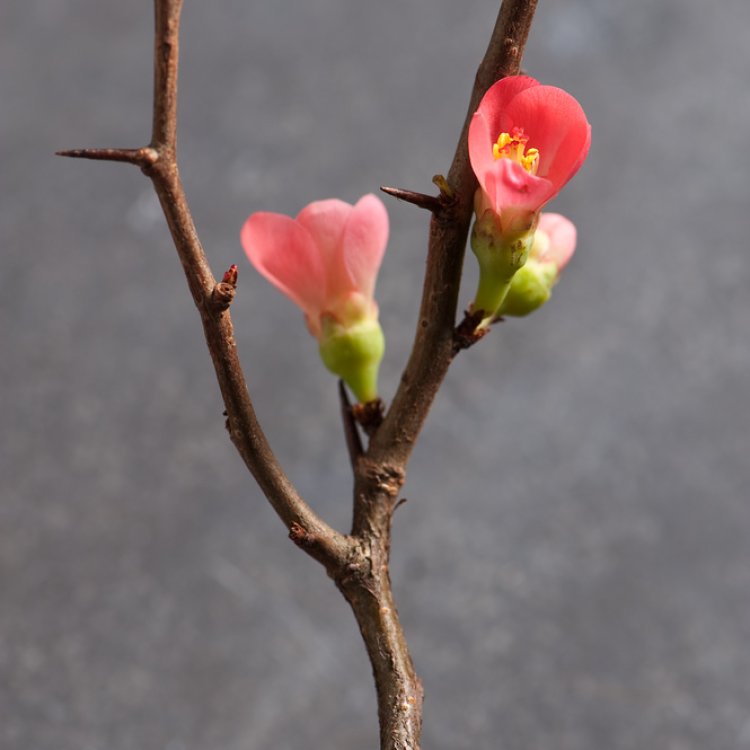
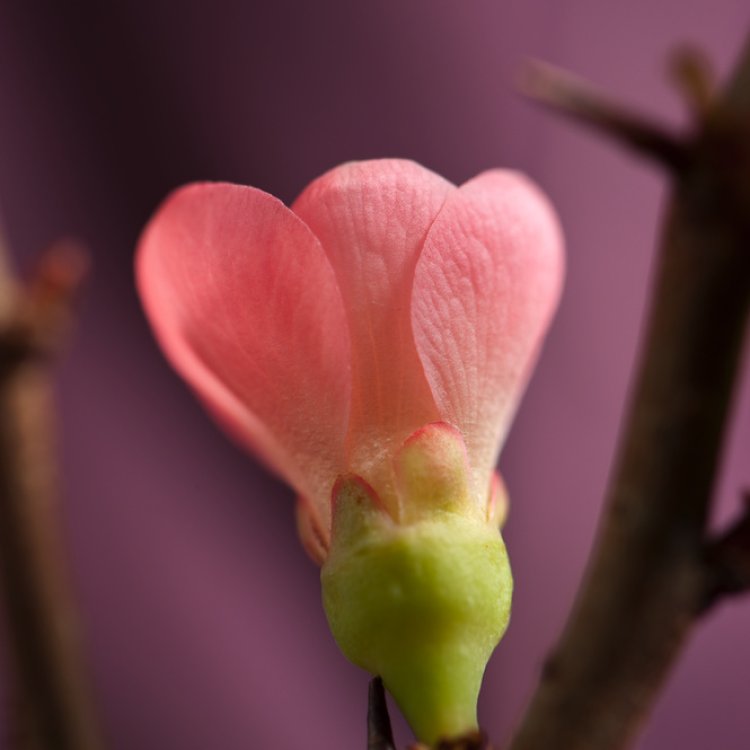
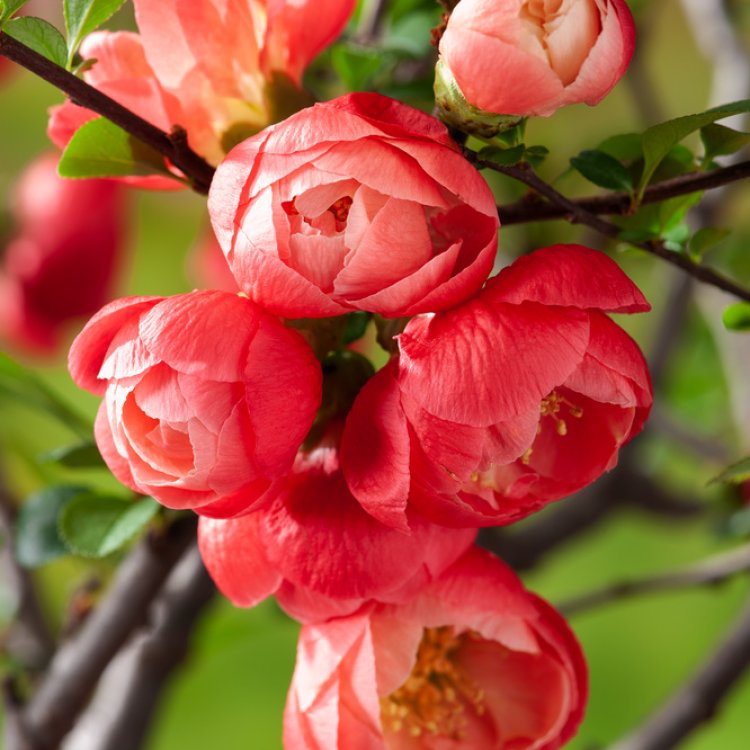
Chaenomeles japonica, widely recognised as Japanese Quince, offers an outstanding floral spectacle from late winter through to mid-spring. Its exquisite cup-shaped flowers typically emerge in shades of fiery orange, deep red, delicate pink, or crisp white. These vivid colours provide a vital splash of life when the garden is still awakening. Following this impressive floral show, small, greenish-yellow, aromatic quinces develop. While these fruits are incredibly tart when raw, they are perfect for making delicious jams and preserves. The glossy green leaves provide an appealing backdrop throughout the growing season, turning to warm hues in autumn before falling.
The botanical name Chaenomeles japonica holds a fascinating history. “Chaenomeles” stems from Greek words, possibly meaning “split apple,” which refers to the unique shape or characteristic of its fruit. The specific epithet “japonica” simply indicates its origin from Japan. This name perfectly captures the plant’s heritage and its distinctive fruit. Many gardeners know it by its more familiar common names, Japanese Quince or Flowering Quince.
Japanese Quince is an exceptionally versatile plant for various garden designs. Its thorny branches make it an excellent choice for an informal, wildlife-friendly hedge, offering both security and shelter. Plant it along borders to create a robust structural element. This shrub also excels when trained against a wall, where its branches can be espaliered to form beautiful patterns. The early flowers become a stunning focal point, especially when planted where winter views are important. It brings a touch of wild elegance to any landscape.
Chaenomeles japonica plays a crucial role in supporting local wildlife, particularly in early spring. Its abundant flowers provide an essential source of nectar and pollen for hungry bees and other early pollinators. The dense, thorny structure offers valuable nesting sites and protective cover for small birds. Later in the season, the tart quinces attract birds and small mammals, ensuring a continuous cycle of life in your garden. This makes the Japanese Quince a truly ecological choice. Regular pruning after flowering helps to maintain its desired shape and size, also encouraging prolific blooms for the following year.
Very hardy. Tolerates temperatures typical of a continental winter.
Chaenomeles japonica is a relatively low-maintenance shrub. Water regularly during dry spells, especially in its first year. Prune after flowering to maintain shape, remove dead or crossing branches, and encourage new blooms. For wall-trained specimens, tie in new shoots and prune back laterals to a few buds to maintain a neat habit. Fertilise lightly in spring with a balanced general-purpose feed.
This plant is deciduous so it will lose all of its leaves in the autumn and get fresh new foliage each spring.