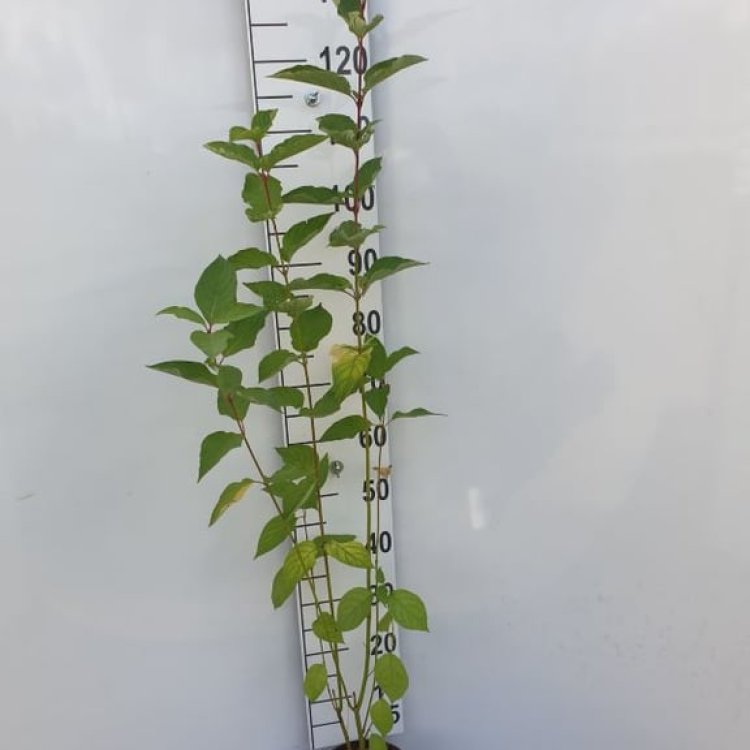
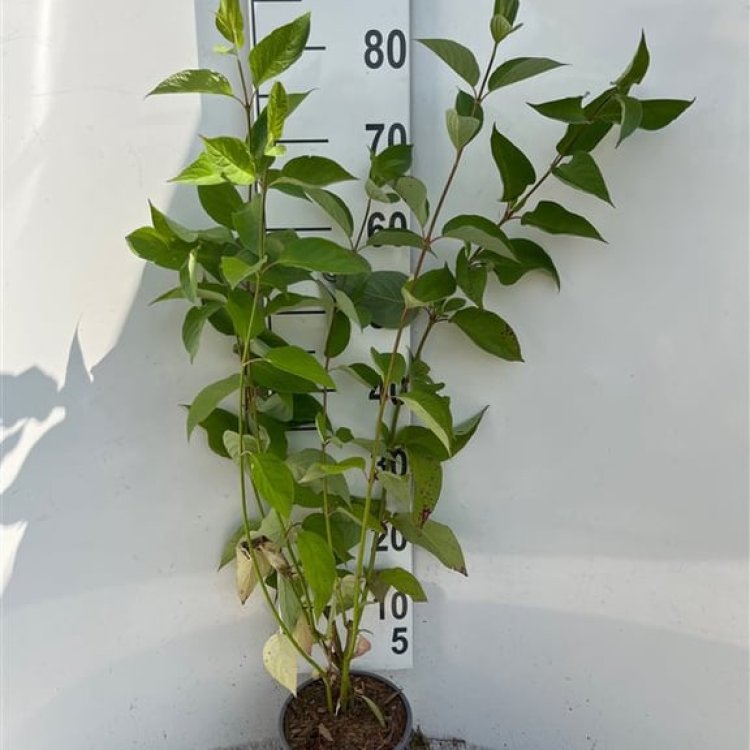
£3.82 – £6.17Price range: £3.82 through £6.17
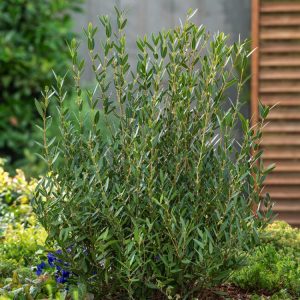
Cornus alba, the Red-barked Dogwood, is a versatile deciduous shrub providing year-round interest. Its striking red winter stems, vibrant autumn foliage, and white spring flowers make it a garden favourite. It also offers berries for birds.
2397 in stock
Cornus alba, often called Red-barked Dogwood, offers stunning winter stem colour and vibrant autumn foliage, making it perfect for British gardens.
This versatile deciduous shrub, Cornus alba, stands out with its striking seasonal appeal. It transforms any garden space, providing year-round interest and structure. Its vibrant red stems illuminate the winter landscape, creating a notable display when other plants are dormant. Furthermore, its lush green leaves and pretty white flowers add charm through spring and summer.
The botanical name Cornus alba holds interesting origins. “Cornus” derives from the Latin word “cornu,” meaning horn, a reference to the plant’s hard wood. “Alba” means white, describing the colour of its flowers and berries. Originally from Siberia, Northern China, and Korea, this hardy shrub adapted well to various climates, hence its popularity in UK gardens today. Its common names, Red-barked Dogwood, Siberian Dogwood, or Tatarian Dogwood, highlight its distinctive features and geographical origins.
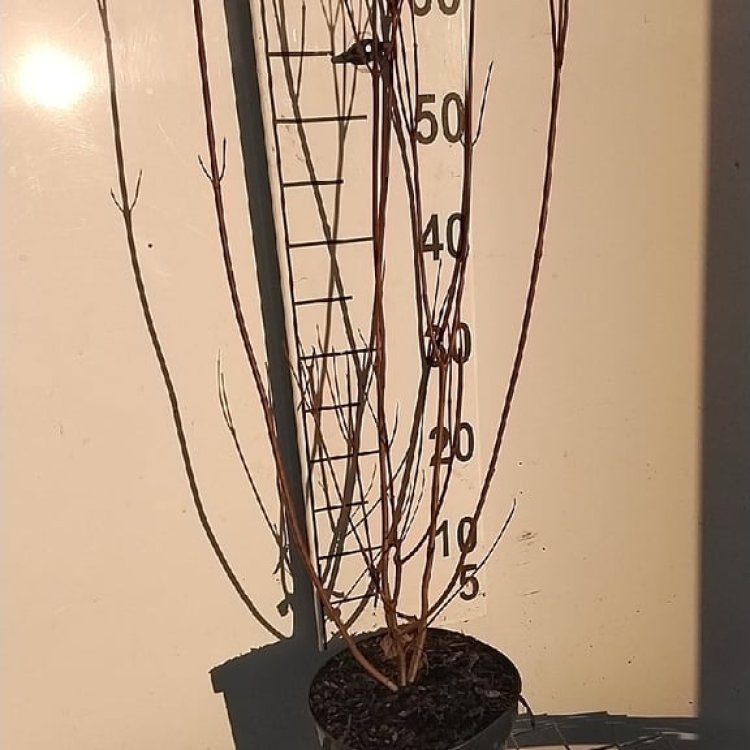
Cornus alba provides a spectacular show throughout the year. In spring, fresh green leaves emerge, soon followed by clusters of delicate white flowers. These flat-topped blooms, appearing in May and June, offer a modest beauty that attracts bees and other beneficial insects. As summer progresses, the flowers develop into small, round white berries, often with a hint of blue. Birds readily consume these berries, providing a food source and enhancing garden biodiversity. However, the true glory of Cornus alba unfolds in winter. After the leaves fall, its bare stems reveal an intense, glowing red. The younger stems show the most vibrant colour, providing a dramatic focal point against a dull winter backdrop.
This adaptable shrub excels in many garden settings. Use Cornus alba to create dramatic winter interest in mixed borders, where its red stems contrast beautifully with evergreens or other dormant plants. It also forms effective informal hedges or screens. Due to its tolerance for damp conditions, it thrives near ponds or in rain gardens. To maintain the most vivid stem colour, prune Cornus alba hard each spring, typically in February or March. This process, known as coppicing, removes older, duller stems. It encourages a flush of brilliant new growth. Cut the older stems back to approximately 10-15 cm from the ground. Regular pruning ensures your Red-barked Dogwood remains a star performer.
Beyond its visual appeal, Cornus alba serves as a valuable asset for local wildlife. Its spring flowers provide an early nectar source for bees and other important pollinators. Later in the season, its white berries offer a crucial food source for various bird species, helping them through the colder months. Planting this shrub contributes to a biodiverse and thriving garden ecosystem.
Hardy in the harshest UK conditions and below. Suitable for mountain regions.
Provide adequate water, especially during dry spells and in its first year. Apply a balanced general-purpose fertiliser in spring. Prune hard in early spring (February-March) to encourage new, vibrant stem growth. Cut older stems down to about 10-15cm from the ground; this coppicing method ensures the best winter colour.
This plant is deciduous so it will lose all of its leaves in the autumn and get fresh new foliage each spring.