£30.20 – £40.81Price range: £30.20 through £40.81
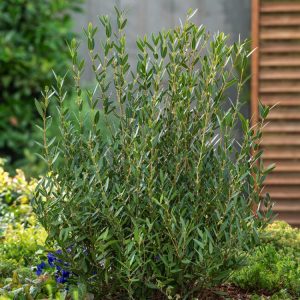
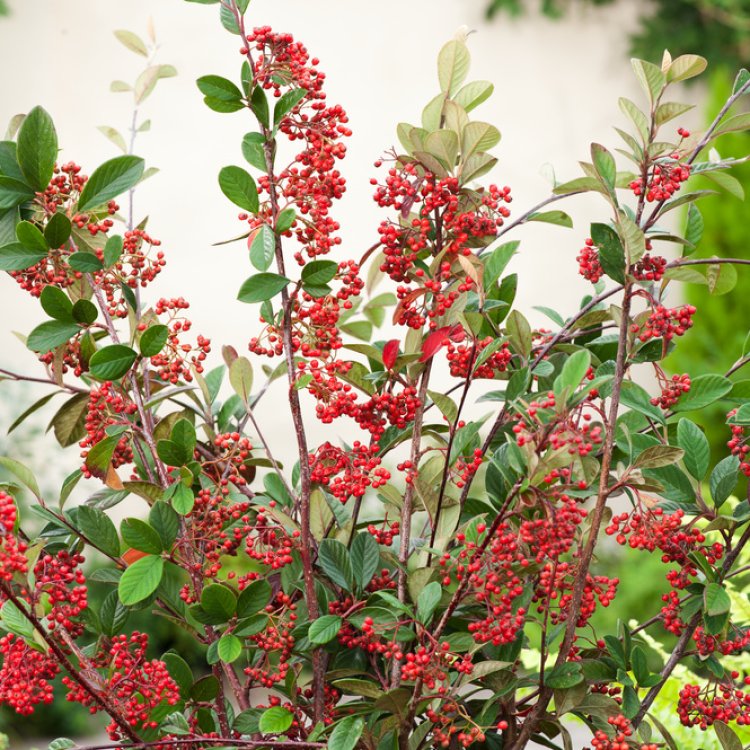
Cotoneaster lacteus is an evergreen shrub boasting dark green foliage and prolific red berries, feeding birds all winter. Its white flowers attract bees in spring. Ideal for hedging, screening, or as a standalone.
118 in stock
The evergreen Cotoneaster lacteus brightens UK gardens with its distinctive foliage and vibrant berries, offering year-round beauty and ecological benefits.
This robust and versatile shrub, commonly known as Milkflower Cotoneaster, provides enduring appeal throughout all seasons. It originates from the diverse landscapes of Western China, where it naturally thrives. Gardeners across the UK highly value its ability to form dense screens or hedges.
Consequently, it becomes perfect for creating effective privacy barriers. Furthermore, its abundant clusters of bright red berries bring welcome colour, especially during the colder winter months. Overall, this plant stands as a fantastic choice for supporting local wildlife too.
The name Cotoneaster derives from Latin. It combines ‘cotoneum’, meaning quince, with ‘aster’, which signifies resemblance. This refers to the leaves of some species looking like those of quince. Furthermore, ‘lacteus’ is Latin for “milky”, appropriately describing the plant’s small, creamy-white flowers.
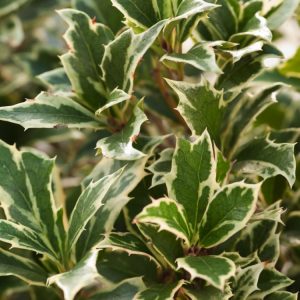
This magnificent evergreen shrub features distinctive foliage. Its leaves are leathery, dark green on the upper surface. Conversely, the undersides exhibit a grey-green, felted texture. These unique leaves provide consistent colour and texture throughout the entire year. Therefore, Cotoneaster lacteus ensures your garden remains vibrant even in winter.
During late spring, typically from May to July, Cotoneaster lacteus produces charming clusters of small, white flowers. These blooms are subtle yet attractive. Significantly, they draw in a variety of insects, including bees and other vital pollinators.
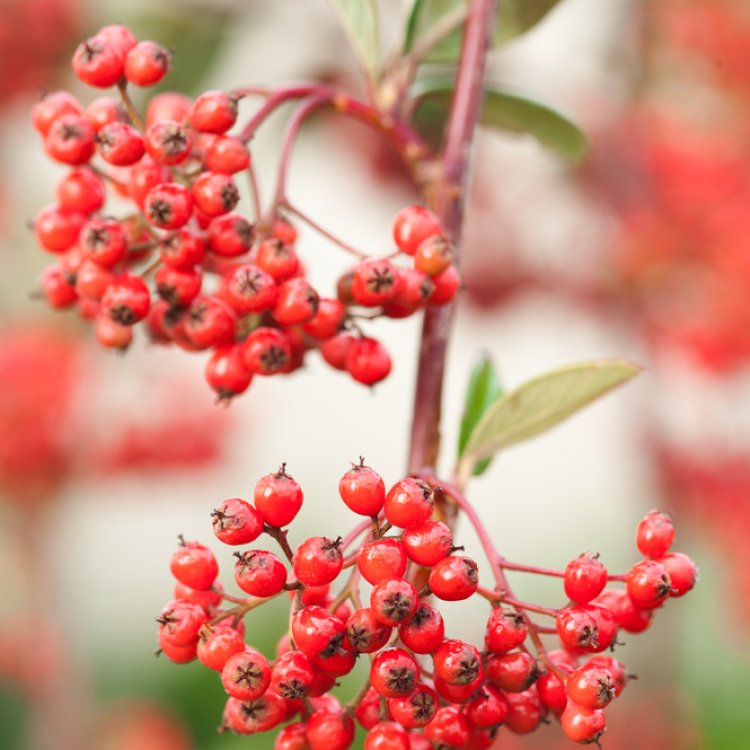
Following this floral display, the plant develops an impressive show of bright red-orange berries. These berries ripen in autumn and remain on the branches throughout winter. They create a stunning visual contrast against the dark green leaves. This provides a truly eye-catching display.
Gardeners often choose this adaptable plant for various applications. It makes an outstanding hedge, providing privacy and shelter effectively. Likewise, it serves as a wonderful screening plant, especially when you need to obscure unsightly views. Its vigorous growth and dense form also make it an excellent standalone specimen. It offers structure and year-round interest. You can even train Cotoneaster lacteus against a wall. This creates a charming and unique display.
The plant’s ecological benefits are substantial. The spring flowers provide essential nectar for bees and other beneficial insects. Later, the profusion of red berries offers a critical food source for numerous bird species. Birds rely on these berries during the harsh winter months. Therefore, planting Cotoneaster lacteus helps support local biodiversity in your garden. This makes it a truly wildlife-friendly choice. Its dense structure additionally offers shelter for small birds too.
Cotoneaster lacteus tolerates pruning very well. This makes it a flexible plant for gardeners. You can shape it into formal hedges with regular trimming. Alternatively, allow it to grow naturally to form a large, impressive shrub. Pruning can also help manage its size and maintain a desired shape. This ensures it fits perfectly within your garden design.
Very hardy. Tolerates temperatures typical of a continental winter.
Cotoneaster lacteus is generally low-maintenance. Once established, it requires minimal watering, though young plants benefit from regular moisture. Prune in late winter or early spring to shape hedges or remove any dead or diseased wood. For a naturalistic look, little pruning is needed beyond tidying. It tolerates most well-drained soils and thrives in full sun to partial shade. Feed annually with a general-purpose fertiliser in spring. Protect from severe frosts when very young, though established plants are very hardy.