£27.27 – £37.80Price range: £27.27 through £37.80
Hippophae rhamnoides, or Sea Buckthorn, is a robust, wildlife-friendly shrub. It offers silvery foliage and striking orange berries, thriving in challenging UK garden conditions. Ideal for hedging or as a versatile specimen plant.
71 in stock
Discover Hippophae rhamnoides, or Sea Buckthorn, a remarkably resilient shrub offering year-round interest and significant ecological benefits for UK gardens.
This fascinating plant truly thrives in challenging conditions, making it a superb choice for various landscape designs. Known for its impressive adaptability, Hippophae rhamnoides adds a unique textural element with its distinctive silvery foliage. It also provides a brilliant splash of colour when laden with its famous orange berries. Furthermore, this plant actively supports local wildlife, thereby enriching any garden space.
The scientific name, Hippophae rhamnoides, holds an interesting story that dates back to ancient times. ‘Hippophae’ originates from ancient Greek, meaning ‘horse-shine’. This intriguing name arose from the belief that consuming its leaves or fruits improved the health and appearance of horses, giving their coats a remarkable sheen. The ‘rhamnoides’ part simply refers to its resemblance to other plants within the Rhamnus, or buckthorn, genus. This plant is a truly fantastic and versatile addition to many UK garden settings, bringing both beauty and function.
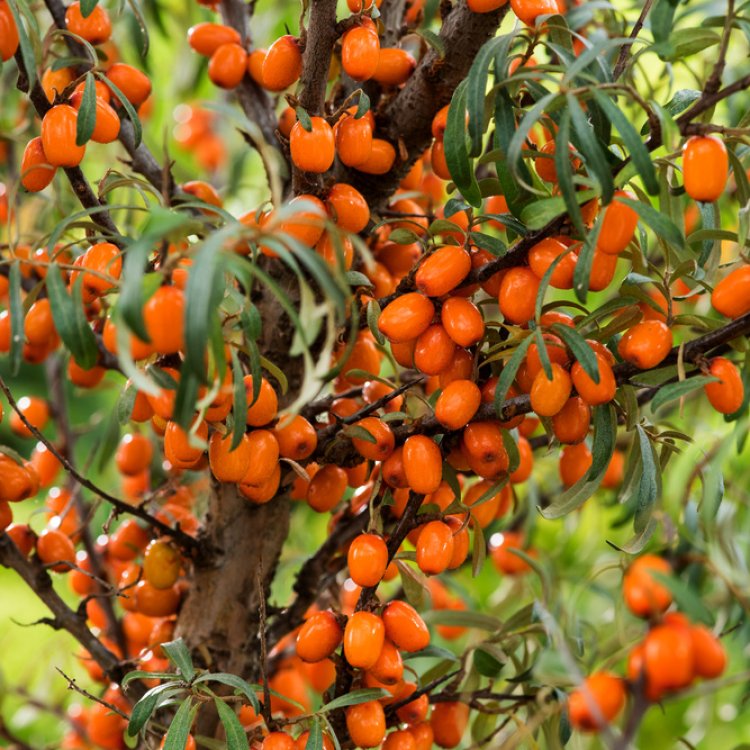
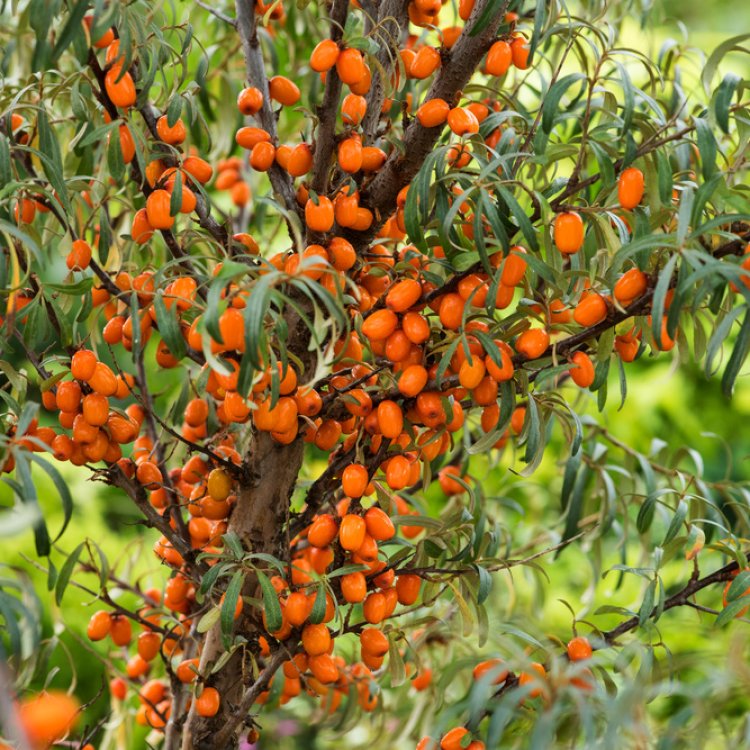
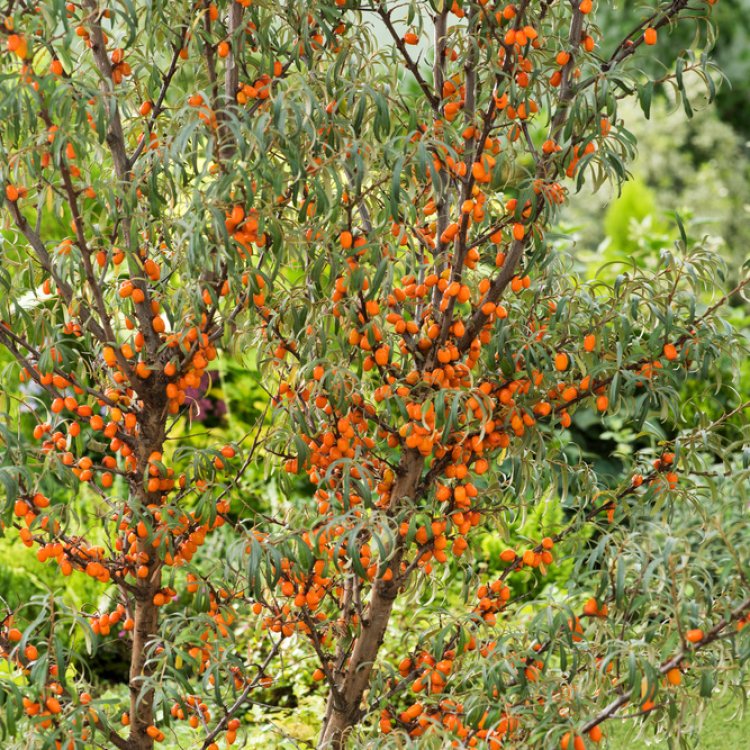
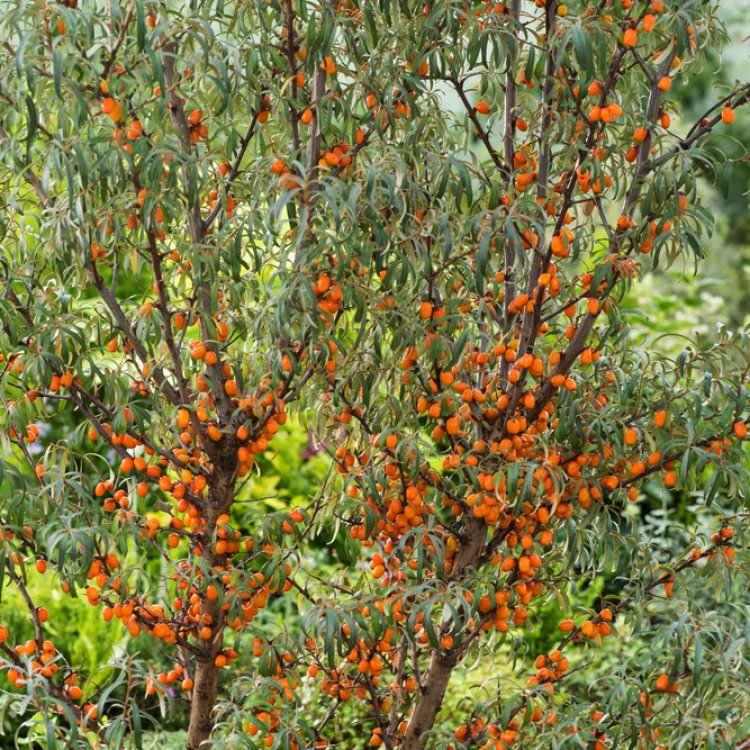
During the early spring months, Hippophae rhamnoides produces small, rather inconspicuous yellowish flowers. These subtle blossoms typically develop before the leaves fully emerge. While not overtly showy, they are absolutely vital for producing the plant’s most celebrated feature: its abundant, bright orange berries. These wonderfully vibrant fruits ripen from late summer through autumn, often persisting well into winter. Therefore, they create a spectacular display against the often-bare branches, offering a welcome burst of colour during colder periods. The foliage is equally distinctive; its narrow, lance-shaped leaves boast a lovely silvery-green hue, consequently giving the entire shrub a shimmering appearance in direct sunlight. This unique colour adds considerable visual depth, especially when thoughtfully contrasted with plants featuring greener foliage.
In UK gardens, Sea Buckthorn proves itself incredibly versatile for many practical applications. Gardeners frequently utilise it for creating robust, almost impenetrable hedges. This is particularly useful in exposed or coastal areas where few other plants truly flourish. Its naturally thorny branches, moreover, make it an extremely effective barrier.
Furthermore, its extensive and fibrous root system actively helps stabilise vulnerable soil, making it exceptionally valuable for erosion control on slopes or challenging banks. As a striking specimen plant, its unique architectural form and brilliant seasonal colour provide year-round appeal. You may consider planting Hippophae rhamnoides where its tough, adaptable nature is a significant benefit to your landscape design.
Pruning requirements for Hippophae rhamnoides are generally minimal, allowing it to develop its natural shape. However, shaping can certainly be undertaken to maintain a desired size or a more formal appearance. It tolerates hard pruning remarkably well, which is often best done after the berries have been harvested or during the dormant winter season.
Finally, this plant acts as a vital haven for local wildlife. The small spring flowers provide essential nectar for early pollinators, though their primary importance lies in fruit production. Much more significantly, the abundant, vitamin-rich berries are a crucial food source for many bird species throughout the colder months. Furthermore, the dense, thorny habit offers invaluable safe nesting sites and vital shelter for small mammals and insects.
Very hardy. Tolerates temperatures typical of a continental winter.
Hippophae rhamnoides is notably low-maintenance once established, tolerating a degree of neglect. It requires minimal watering in drought, preferring well-drained soil. Pruning is generally only necessary to maintain shape or size, or to harvest berries effectively, and should ideally be carried out in late winter or early spring.
This plant is deciduous so it will lose all of its leaves in the autumn and get fresh new foliage each spring.