£18.20 – £20.56Price range: £18.20 through £20.56
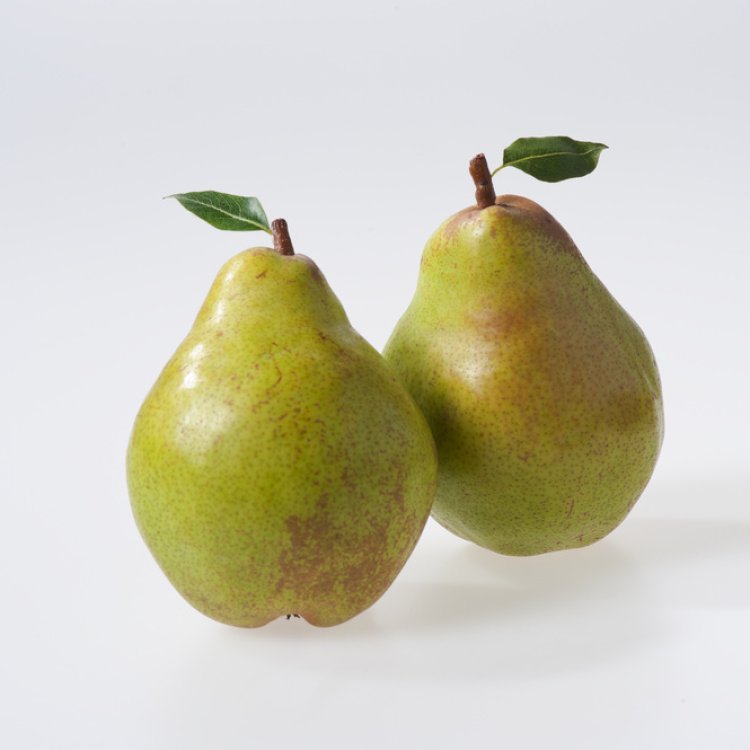
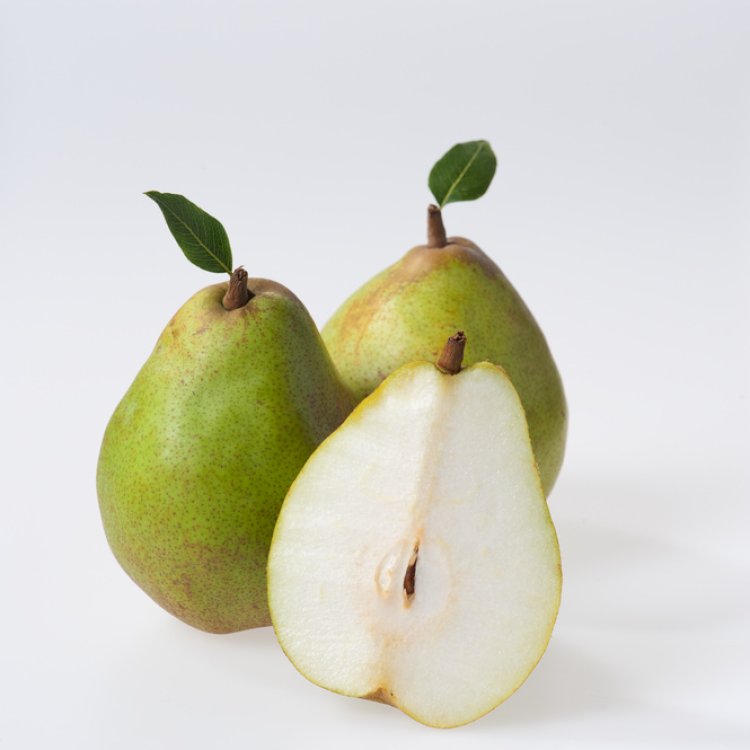
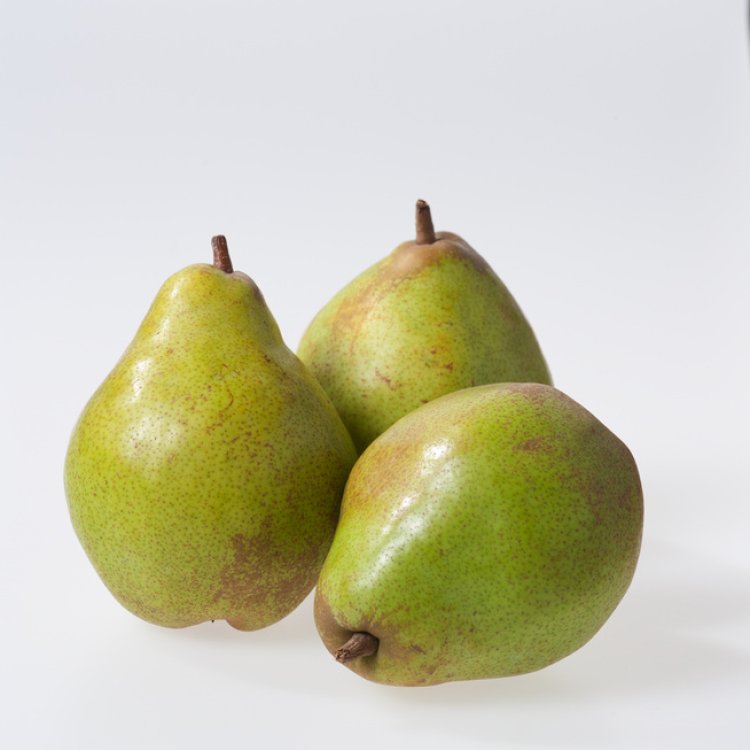
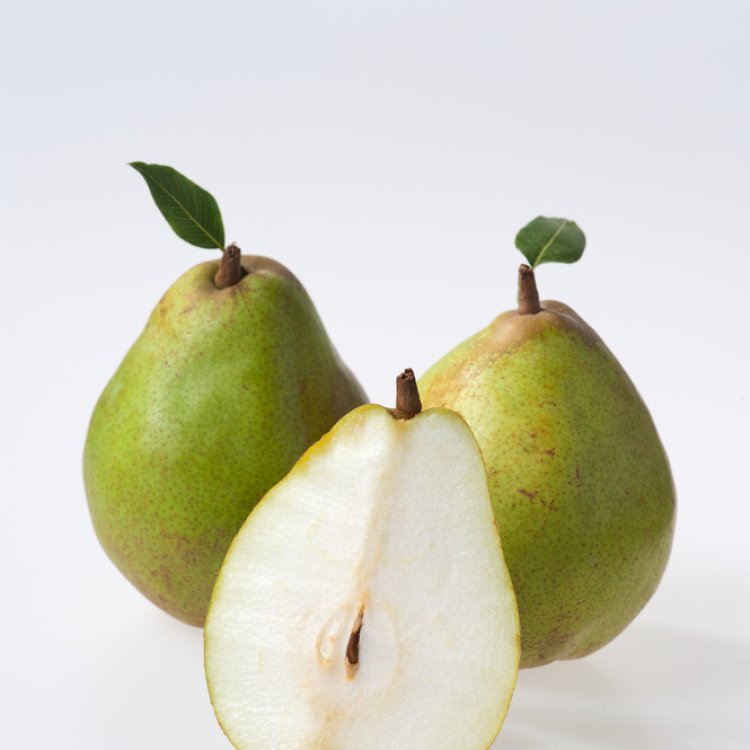
Pyrus communis ‘Doyenné du Comice’ is a premium dessert pear, cherished for its exceptionally sweet, juicy fruit. Its spring blossoms attract bees, while autumn brings golden foliage. Ideal for UK gardens, it provides both beauty and delicious harvests.
3000 in stock
Discover Pyrus communis ‘Doyenné du Comice’, a premier dessert pear, celebrated for its exquisite flavour and tender, juicy flesh.
The Doyenné du Comice Pear stands as a true garden treasure. This distinguished cultivar originates from France, first appearing in the early 19th century. Gardeners across the UK cherish this variety for its superb fruit quality, often considered among the finest pears available. Its robust nature makes it a reliable choice for many gardens, thriving with proper care. You will enjoy watching its attractive seasonal changes.
Pyrus communis ‘Doyenné du Comice’ is a highly esteemed pear tree, famed worldwide for its superior fruit. Its name, “Doyenné du Comice,” translates roughly to “Dean of the Committee,” reflecting its top-tier status among pear varieties. French horticulturists developed this cultivar in Angers around 1849. Since then, it has become a favourite in British gardens.
Spring brings a lovely display of white, cup-shaped flowers. These blossoms emerge from April to May, covering the tree in delicate beauty. Furthermore, they offer vital nectar and pollen, thus attracting bees and other beneficial insects. The ovate, dark green leaves follow, creating a lush canopy throughout summer. As autumn arrives, the foliage transforms into warm shades of golden-yellow. This seasonal colour adds a striking visual element to any garden space.
This ‘Doyenné du Comice’ pear tree makes an excellent feature tree. Plant it in orchards or as part of a mixed border. It grows well in many garden styles. Pear trees often benefit from annual pruning; this practice helps maintain shape and encourages better fruit production. Gardeners frequently train pear trees as espaliers or cordons, especially in smaller spaces. These methods control growth and enhance fruit yield. The tree provides both aesthetic appeal and delicious fruit, making it a very rewarding plant for UK gardeners.
Very hardy. Tolerates temperatures typical of a continental winter.
Proper care ensures a healthy and productive Doyenné du Comice Pear tree, yielding delicious fruit for years to come.
Water newly planted Pyrus communis 'Doyenné du Comice' regularly, especially during dry spells in its first year. Established trees typically require less frequent watering, except during prolonged droughts or when fruit is developing. Ensure deep watering to encourage robust root growth.
Apply a balanced granular fertiliser around the base of the tree in early spring. Consider a high-potash feed once fruits begin to swell; this helps promote fruit development and enhance flavour. Always follow product instructions carefully for application rates.
Prune your 'Doyenné du Comice' pear tree annually, ideally during its dormant period from November to March. Remove any dead, damaged, or diseased wood. Thin out crossing branches to improve air circulation and sunlight penetration within the canopy. Pruning also helps shape the tree and encourages consistent fruit production. For younger trees, establish a strong framework; for older trees, focus on maintaining an open structure.
Regularly inspect your pear tree for signs of pests or diseases. Common issues include aphids, codling moth, and pear scab. Early detection allows for more effective treatment. Use appropriate organic or chemical controls as needed, always prioritising environmentally friendly solutions. Good garden hygiene, such as removing fallen leaves and fruit, also helps reduce disease spread.
Pyrus communis 'Doyenné du Comice' is partially self-fertile but benefits greatly from a pollination partner from flowering group B or C to ensure a good fruit set. Consider planting another compatible pear variety nearby, such as 'Conference' or 'Williams Bon Chrétien', to maximise your harvest.
This plant is deciduous so it will lose all of its leaves in the autumn and get fresh new foliage each spring.