£18.20 – £20.56Price range: £18.20 through £20.56
Prunus avium ‘Van’ is a beloved sweet cherry tree, offering bountiful crops of large, firm, and flavourful dark red fruits. It provides beautiful spring blossoms and attractive autumn foliage, making it a superb choice for UK gardens.
2000 in stock
Discover Prunus avium ‘Van’, a highly valued sweet cherry tree. It provides abundant crops of delicious, dark red fruits, ideal for UK gardens.
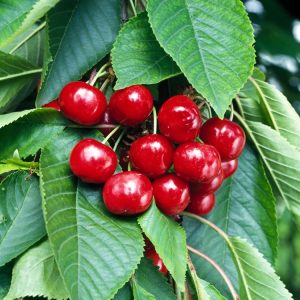
Prunus avium ‘Van’, widely known as the ‘Van’ cherry, is an excellent choice for home growers. This popular cultivar yields generous amounts of delectable sweet cherries. These fruits are famous for their firm texture and rich, deep red colour. This tree offers both ornamental beauty and practical fruit production. Thus, it makes a valuable addition to many garden designs. It also adds visual appeal across all British seasons.
Prunus avium ‘Van’ is a celebrated sweet cherry. It originated in Canada. Now, gardeners widely grow it across the globe. This esteemed cultivar resulted from a cross between ‘Empress Eugenie’ and ‘Bing’ cherries. It was first introduced in 1944. The tree earned its name from the city of Vancouver. It quickly gained favour due to its consistent heavy yields. Its high-quality fruit also helped its popularity. Consequently, it remains a popular choice for both commercial growers and home gardeners in the UK today.
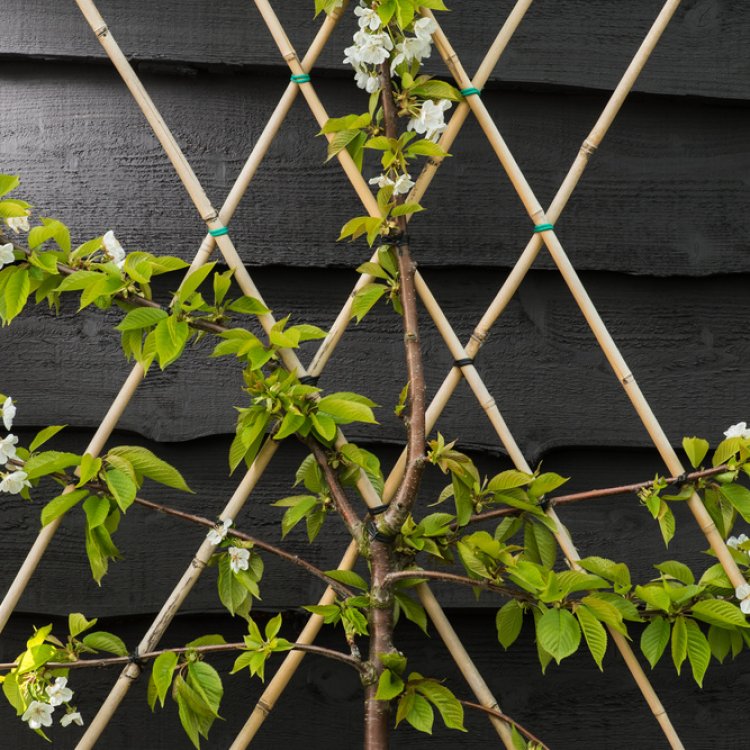
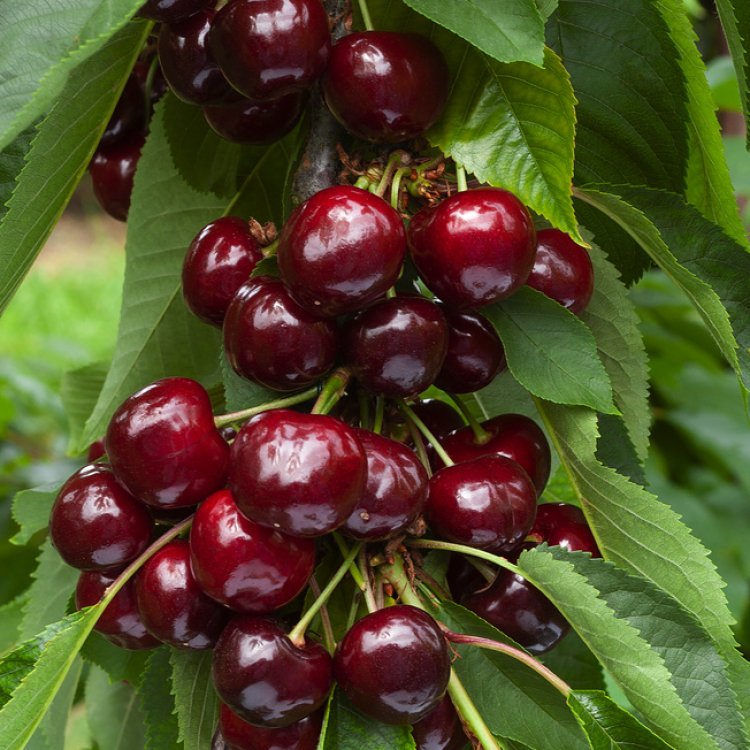
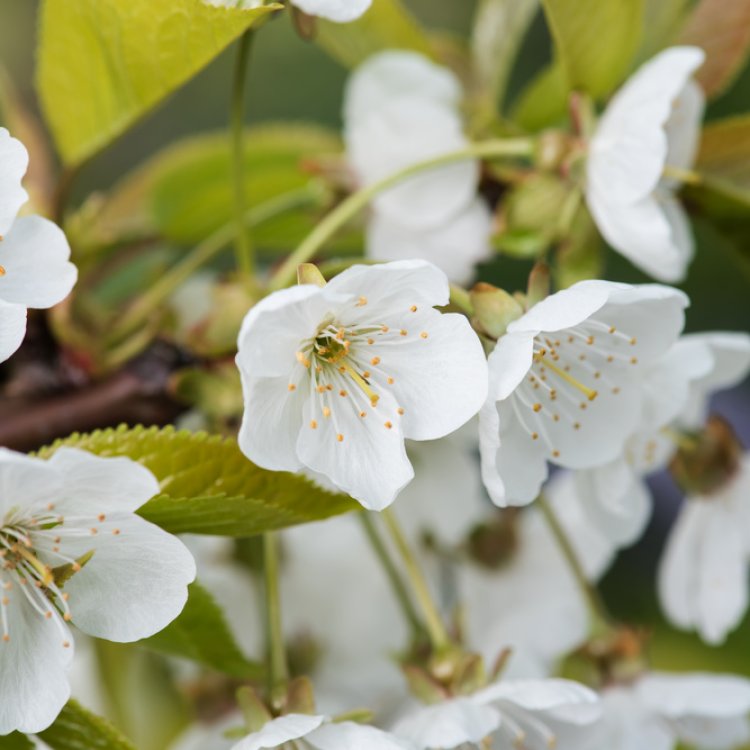
Each spring, Prunus avium ‘Van’ truly comes alive. It presents a stunning display of white, cup-shaped blossoms. These delicate flowers attract many pollinators. Bees, in particular, visit them diligently. This activity ensures a good fruit set. As summer approaches, these blooms develop into clusters of ripe cherries. The ‘Van’ cherry fruit is notably large and firm. It boasts a dark, almost black-red skin when fully mature. Its sweet, rich flavour makes it ideal for fresh eating. You can also use it for cooking or preserving. Later, in autumn, the vibrant green leaves change. They turn lovely shades of yellow and orange before falling. This adds seasonal colour to your garden.
The ‘Van’ cherry tree makes an excellent specimen. It provides interest all year round. You can plant it as a focal point in a lawn. Alternatively, incorporate it into a mixed border. Its attractive form and seasonal changes make it truly versatile. Furthermore, it significantly boosts garden biodiversity. The spring flowers offer an early nectar source for bees. Other beneficial insects also visit. Ripe fruits are enjoyed by humans, of course. However, they also feed birds and small mammals. This brings life and activity to your garden ecosystem. Therefore, it is a very wildlife-friendly option.
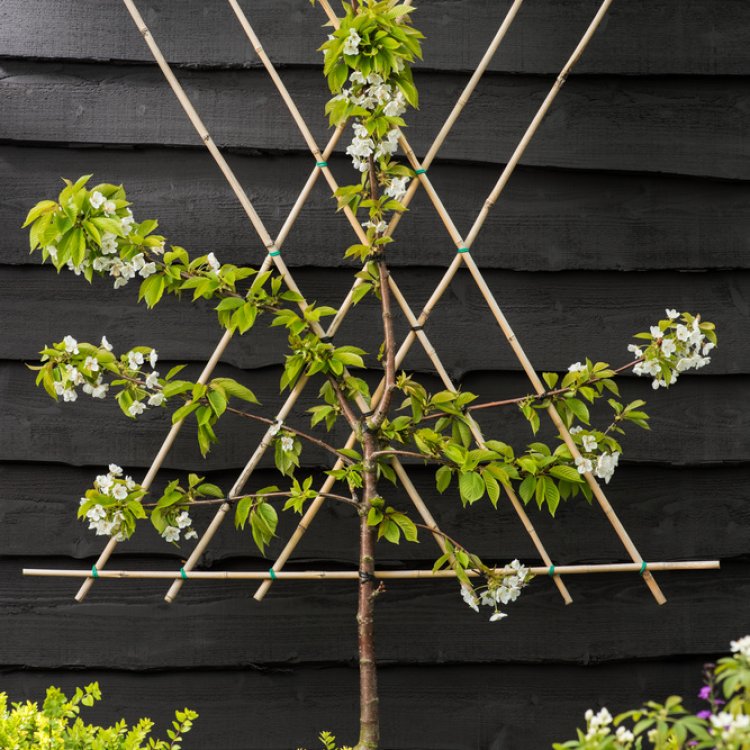
Regular pruning is vital for Prunus avium ‘Van’. It helps maintain both health and productivity. Gardeners typically carry out this task in summer. This is done immediately after harvesting the cherries. Pruning manages the tree’s size. It also improves air circulation through the canopy. This encourages new fruiting wood. Focus on removing any dead, diseased, or crossing branches. Also, prune to keep an open goblet shape. This allows sunlight to reach all parts of the tree. Optimal fruit ripening then occurs. This proactive approach ensures a healthy, productive tree for many years.
Very hardy. Tolerates temperatures typical of a continental winter.
Ensure regular watering, especially during dry spells and fruit development. Mulch annually with well-rotted compost. Prune in summer after fruiting to maintain shape and encourage new growth, removing dead, damaged or crossing branches. Protect from birds if you want to harvest the fruit.
This plant is deciduous so it will lose all of its leaves in the autumn and get fresh new foliage each spring.