£7.38 – £9.74Price range: £7.38 through £9.74
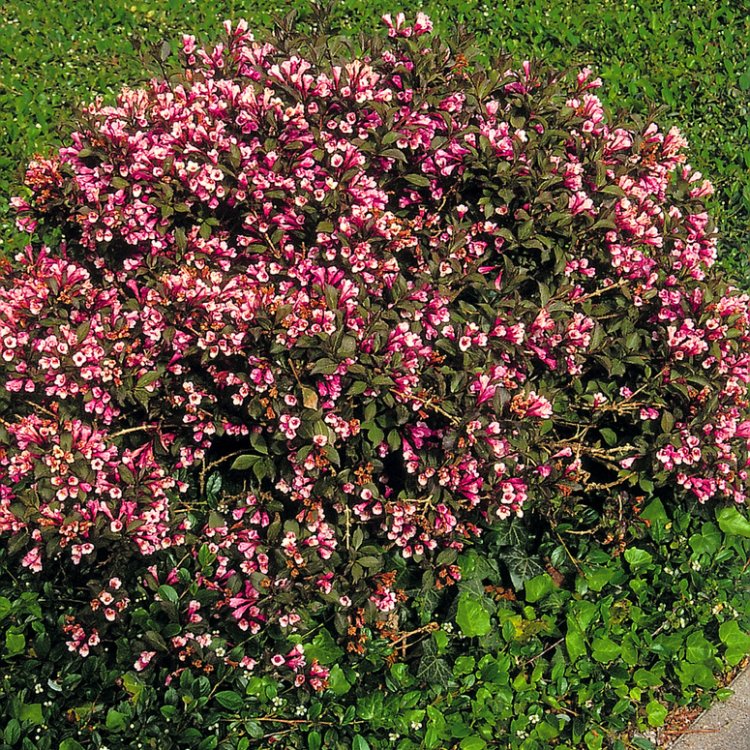
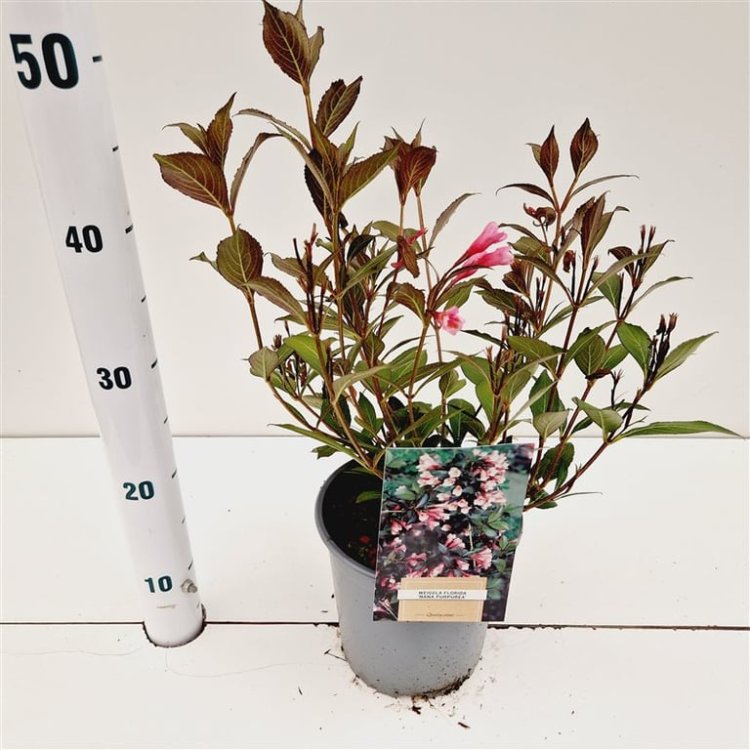
Weigela florida ‘Nana Purpurea’ is a compact shrub, celebrated for its striking deep purplish-green foliage and abundant pink, bell-shaped flowers. It brings lasting colour and attracts pollinators to UK gardens throughout late spring and early summer.
500 in stock
Discover Weigela florida ‘Nana Purpurea’, a compact shrub offering a beautiful display of deep purplish-green leaves and charming pink bell-shaped flowers.
This delightful deciduous shrub brings lasting colour and appeal to any UK garden. Weigela florida ‘Nana Purpurea’ stands out with its striking foliage and generous floral display. It adapts well to various settings, making it a versatile choice for both experienced and new gardeners. Many people appreciate its easy-going nature and stunning visual impact. Consequently, it has become a firm favourite for adding structure and beauty.
Weigela florida ‘Nana Purpurea’ is a cherished cultivar of the Weigela florida species, native to East Asia. The name ‘Nana Purpurea’ reflects its key characteristics: ‘Nana’ means dwarf, indicating its compact size, while ‘Purpurea’ refers to its distinctive purple foliage. This shrub has earned its place in UK gardens due to its reliable performance and attractive features. It offers a wonderful blend of vibrant colour and easy care, indeed making it a popular option for many gardeners.
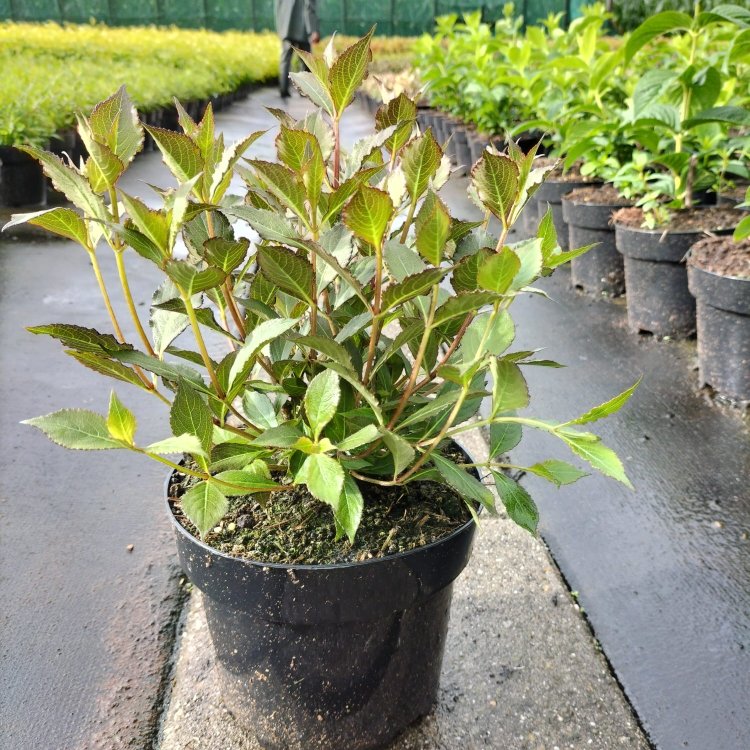
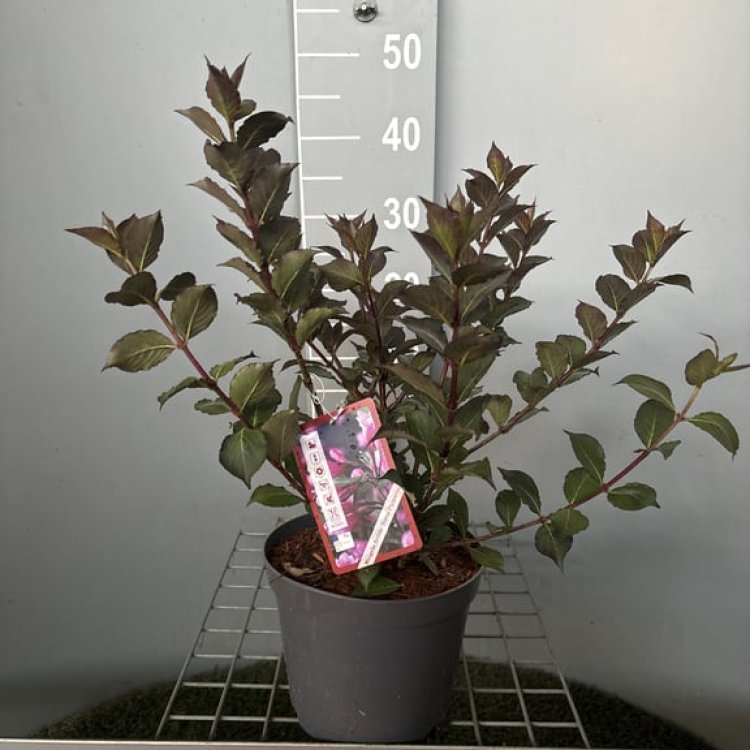
Throughout the growing season, the leaves of Weigela florida ‘Nana Purpurea’ present a rich tapestry of deep purplish-green hues. This dark foliage creates a stunning backdrop for its abundant flowers. During late spring and early summer, typically from May through to July, the plant becomes covered in charming, bell-shaped blooms. These flowers emerge in lovely shades of pink, sometimes deepening to a rosy red. Furthermore, this consistent flowering period ensures a prolonged spectacle of colour in your garden.
This compact Weigela is perfect for numerous garden applications. Its neat, rounded habit makes it an excellent choice for front of borders or as a low hedge. Gardeners also use it effectively in containers on patios or balconies, where its beauty can be admired close up. It provides valuable texture and colour contrast when planted alongside green-leaved shrubs or perennials. Moreover, its modest size means it fits well into smaller gardens, adding impact without overwhelming the space. Thus, it truly is a flexible addition to almost any outdoor area.
Beyond its aesthetic appeal, Weigela florida ‘Nana Purpurea’ plays a vital role in supporting garden wildlife. Its bell-shaped flowers are a rich source of nectar, eagerly sought after by important pollinators. Bees and butterflies are particularly drawn to its blossoms, contributing to a thriving ecosystem in your garden. By choosing this plant, you help create a welcoming habitat for these beneficial insects.
Weigela florida ‘Nana Purpurea’ generally thrives with minimal intervention. However, light pruning after flowering helps maintain a tidy shape and encourages a flush of new growth for the following season. Simply cut back flowered shoots to a strong side branch or bud. This simple task ensures your shrub remains vigorous and continues to produce an impressive display year after year. Consequently, you can enjoy its beauty with little fuss.
Very hardy. Tolerates temperatures typical of a continental winter.
Keep the soil consistently moist, particularly during dry spells and for newly planted specimens to help them establish. Established plants show greater tolerance to drier conditions. In early spring, apply a balanced slow-release fertiliser to promote robust growth and encourage a profusion of flowers. Prune immediately after flowering, typically in late summer, to maintain the shrub's shape and encourage healthy new growth that will bear next season's blooms. Remove any dead, damaged, or weak stems, and thin out overcrowded branches. Cut back flowered shoots to a strong side shoot or a healthy bud. Weigela florida 'Nana Purpurea' is generally robust and largely free from serious pests or diseases, though occasionally check for aphids or powdery mildew, especially in prolonged dry weather. As a fully hardy plant in the UK, established specimens typically require no specific winter protection.
This plant is deciduous so it will lose all of its leaves in the autumn and get fresh new foliage each spring.