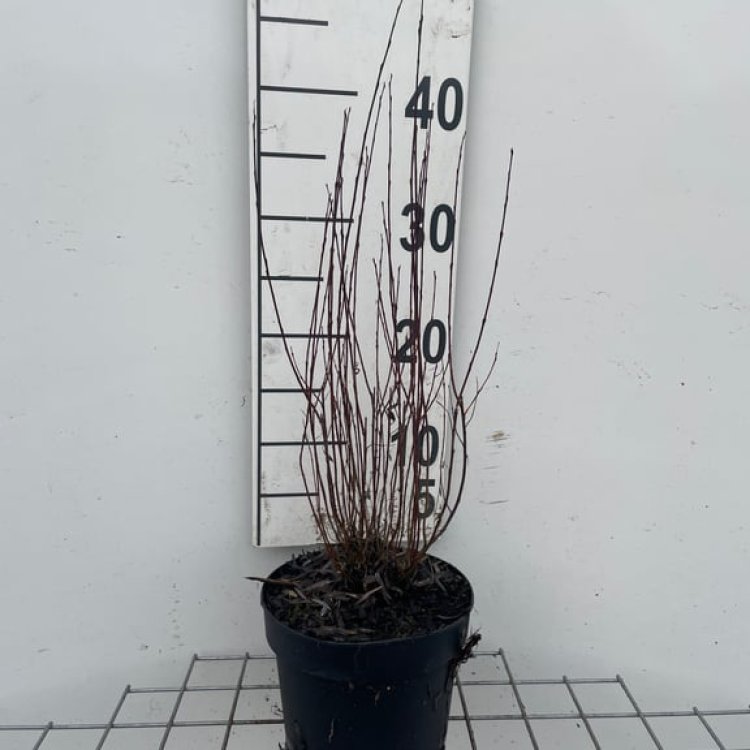
£5.04 – £7.40Price range: £5.04 through £7.40
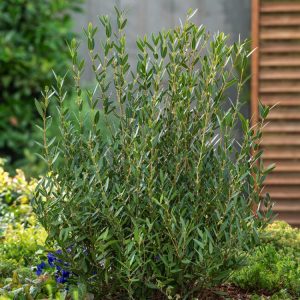
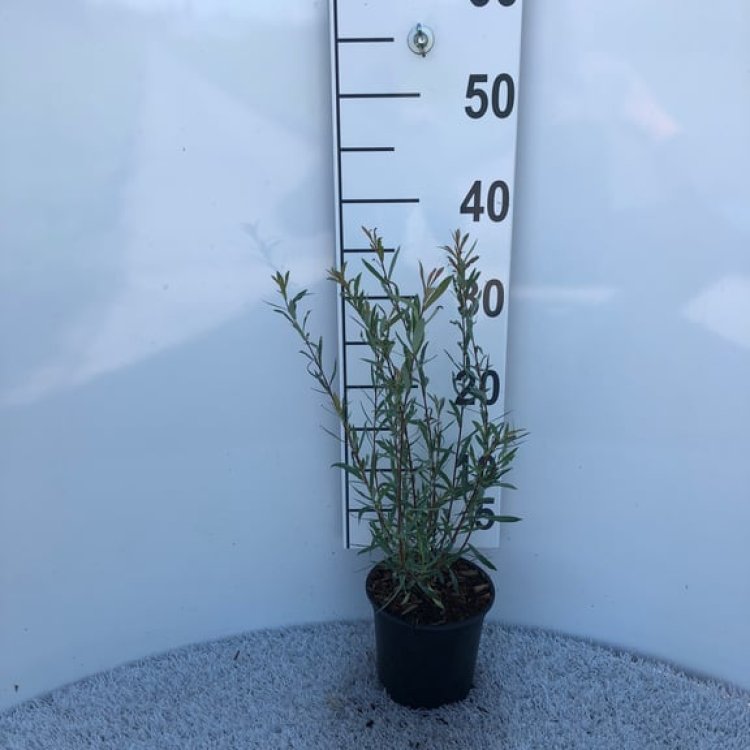
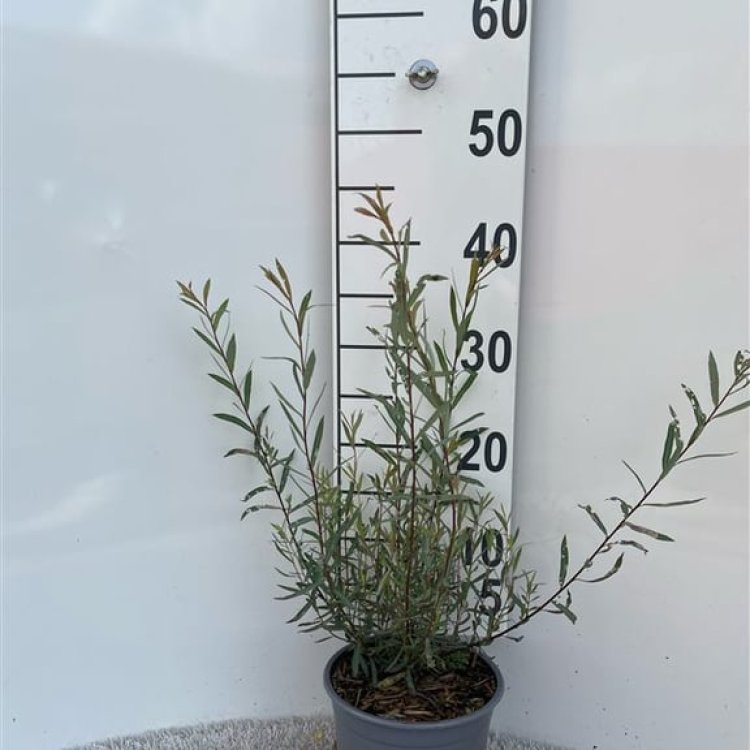
Salix purpurea ‘Nana’ is a compact dwarf willow with delicate blue-green foliage and striking purple-red winter stems. This versatile, hardy shrub adds year-round interest and vital early pollen for bees, ideal for UK gardens.
1000 in stock
Salix purpurea ‘Nana’ offers compact charm with delicate blue-green foliage and striking purple stems, a versatile choice for any UK garden.
This dwarf willow, Salix purpurea ‘Nana’, brings year-round interest to borders and rockeries. Its fine-textured leaves create a soft, airy feel throughout spring and summer. As autumn arrives, the foliage offers a subtle colour change, but its true spectacle emerges in winter. Then, the vibrant purple-red stems become a focal point, adding much-needed colour to the colder months. Therefore, this plant is a valuable addition for diverse garden designs.
The Salix purpurea ‘Nana’ is a superb deciduous shrub, often known as the Dwarf Purple Osier. Its name, ‘purpurea’, refers to the lovely purple hues evident in its stems, especially during winter. The cultivar epithet ‘Nana’ simply means “dwarf,” highlighting its naturally compact size compared to the larger species. This makes it ideal for smaller gardens, adding structure without overwhelming space.
Throughout the growing season, Salix purpurea ‘Nana’ showcases delicate, narrow, blue-green leaves. These leaves emerge in spring, providing a fresh and graceful appearance. The overall texture of the plant is fine, which helps to soften harsher garden lines. In early spring, before the leaves fully unfurl, small, silvery-grey catkins appear along the stems. While not as showy as some other willows, these catkins still offer a subtle beauty. Furthermore, they provide a vital early source of pollen for hungry bees, helping to support local wildlife.
Many gardeners choose Salix purpurea ‘Nana’ for its exceptional winter stem colour. After leaves drop in autumn, slender, arching stems transform into vibrant purple and deep red. This display offers a spectacular focal point when other plants are dormant. It creates a cheerful accent in winter landscapes.
You can use this versatile plant in many ways. For instance, plant it as a low, informal hedge along a path or at the front of a border. It also excels in mixed shrub plantings, rockeries, or even larger containers. Its spreading habit helps with erosion control on slopes, too.
To achieve the most intense winter stem colour, annual pruning is beneficial. This encourages the growth of new, vibrant stems. Gardeners typically prune Salix purpurea ‘Nana’ hard in late winter or early spring, just before new growth begins. This method, often called coppicing or pollarding, ensures a fresh flush of colourful young shoots each year.
Therefore, a little yearly maintenance helps maximise its ornamental value. This compact willow proves a resilient and attractive addition, consistently enhancing the UK garden through every season.
Hardy in the harshest UK conditions and below. Suitable for mountain regions.
Prune annually in late winter/early spring (February-March) to encourage colourful new stems, coppicing hard. Requires consistently moist soil, especially when establishing and during dry spells. Mulch in spring to retain moisture and suppress weeds. Generally trouble-free from pests and diseases; feeding is often not required in fertile soil.
This plant is deciduous so it will lose all of its leaves in the autumn and get fresh new foliage each spring.