£29.14 – £39.69Price range: £29.14 through £39.69
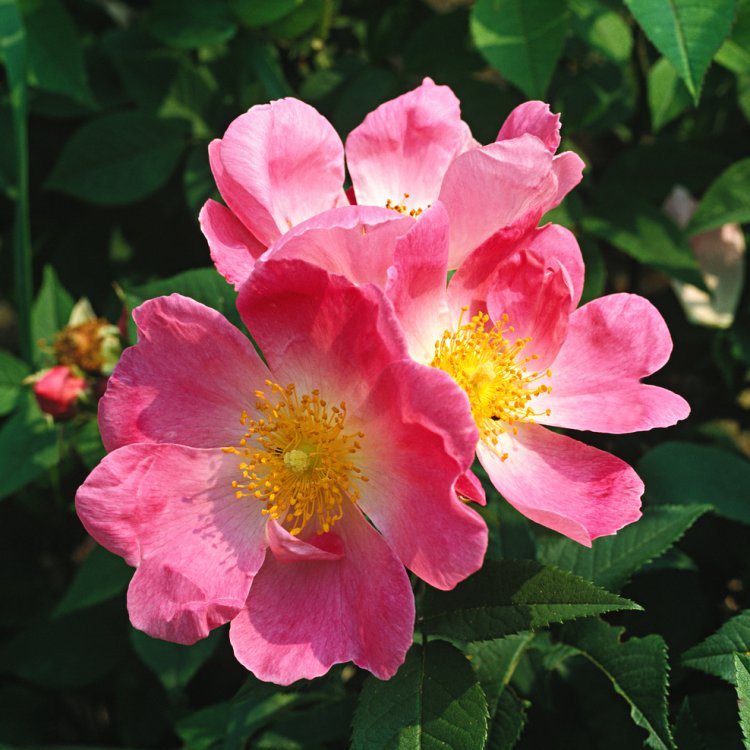
Rosa rubiginosa, the Sweet Briar Rose, offers delightful apple-scented foliage and charming single pink flowers from June to August. This resilient native UK rose provides abundant red hips for birds, making it perfect for wildlife-friendly gardens or informal hedging. Enjoy its unique fragrance.
111 in stock
Discover the captivating charm of Rosa rubiginosa, a classic UK native rose known for its delightful apple-scented foliage and vibrant displays.
The Sweet Briar Rose, also known as Eglantine Rose, brings a touch of wild elegance to any garden. This deciduous shrub rose is celebrated for its unique fragrant leaves, which release a wonderful apple aroma, especially after rain. Its simple yet beautiful flowers and bright autumn hips make Rosa rubiginosa a timeless choice for gardeners across the United Kingdom. This resilient plant thrives in various settings, consequently enriching biodiversity.
The classic Rosa rubiginosa, often affectionately called the Sweet Briar Rose, is a treasured native of the British Isles. Its name, ‘rubiginosa’, means ‘rusty-red’, which refers to the glandular hairs found on the underside of its leaves and stems. These glands are responsible for the plant’s distinctive and much-loved apple-like fragrance, a feature that truly sets this rose apart. Consequently, many gardeners plant it close to paths or seating areas to fully appreciate its scent.
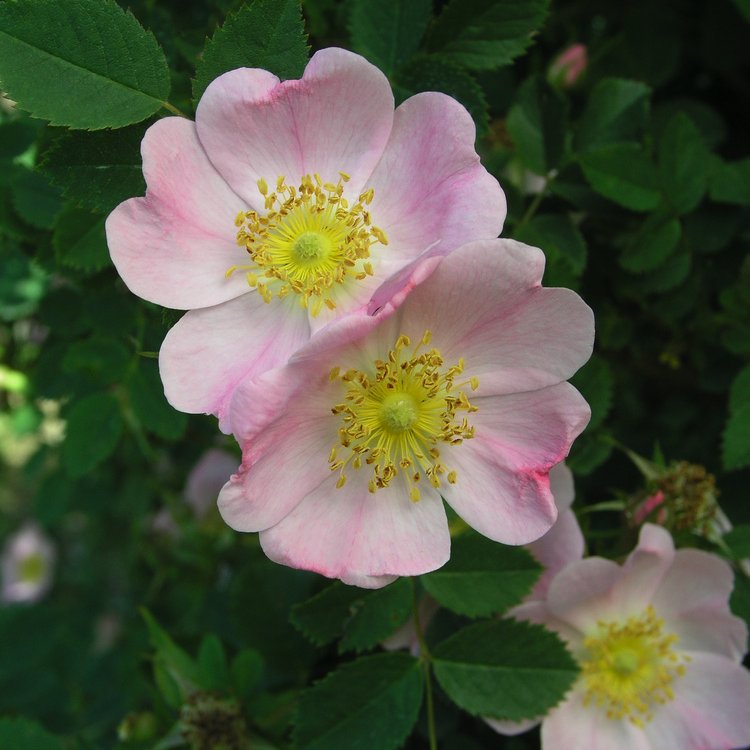
This beautiful rose typically develops into an upright, bushy shrub. Its fresh green foliage emerges in spring, giving way to an abundance of simple, single pink flowers through summer. Each bloom, with its five petals, offers a gentle yet striking display. Importantly, these open flowers are highly attractive to local pollinators, including various species of bees.
Flowering occurs from early summer, generally beginning in June and often continuing into August. During this period, the vibrant pink flowers create a cheerful spectacle. As a result, they add a delightful splash of colour to garden borders and informal hedges. The deciduous foliage, consisting of small, oval leaflets, maintains a fresh appearance throughout the growing season. Following the blossoms, the plant develops an impressive display of bright red, oval hips. These ornamental fruits persist through autumn and into winter, offering vital food for garden birds, hence making the Sweet Briar Rose an excellent choice for wildlife gardens.
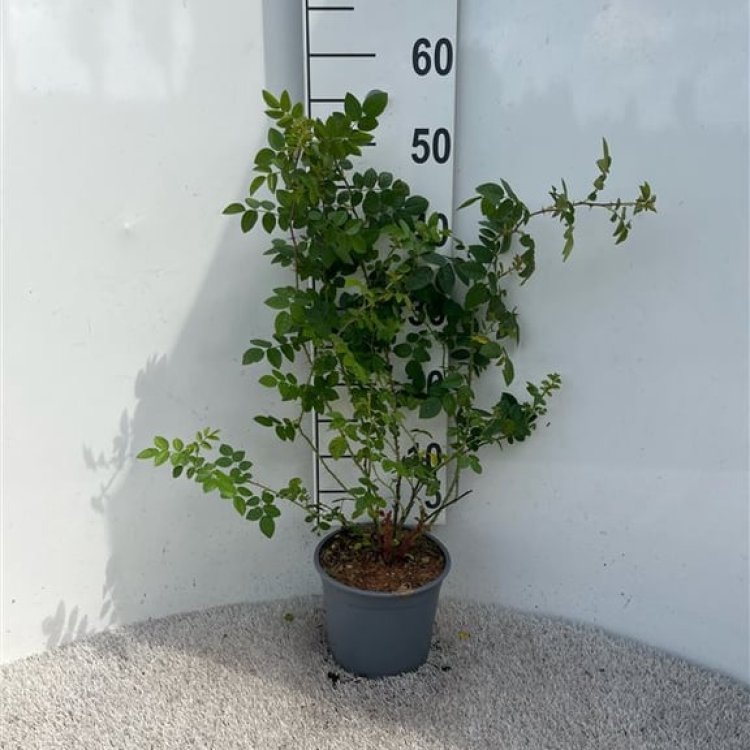
Gardeners often utilise Rosa rubiginosa for informal hedging or as a specimen shrub. Its vigorous growth and thorny stems also make it an effective barrier. Furthermore, it can be integrated into mixed borders, providing a natural, country garden feel. While it does not require extensive shaping, light pruning can help maintain its form and vigour. Therefore, simply remove any dead, damaged, or crossing branches after flowering. A more significant rejuvenation prune can be carried out in late winter if needed. This adaptable rose offers both aesthetic beauty and ecological benefits, enriching any UK garden.
Very hardy. Tolerates temperatures typical of a continental winter.
Rosa rubiginosa is generally low maintenance. Plant in well-drained soil in a sunny to partially sunny position. Water regularly during dry spells, especially in its first year. Pruning is minimal; in late winter, remove any dead, diseased, or crossing branches. After flowering, you can lightly prune to maintain shape or remove spent flowers if you don't want to encourage hip production, though hips are a key feature. For an established plant, a hard rejuvenation prune can be performed in late winter every few years to encourage vigorous new growth. Feed annually in spring with a balanced rose fertiliser.
This plant is deciduous so it will lose all of its leaves in the autumn and get fresh new foliage each spring.