£30.26 – £39.69Price range: £30.26 through £39.69
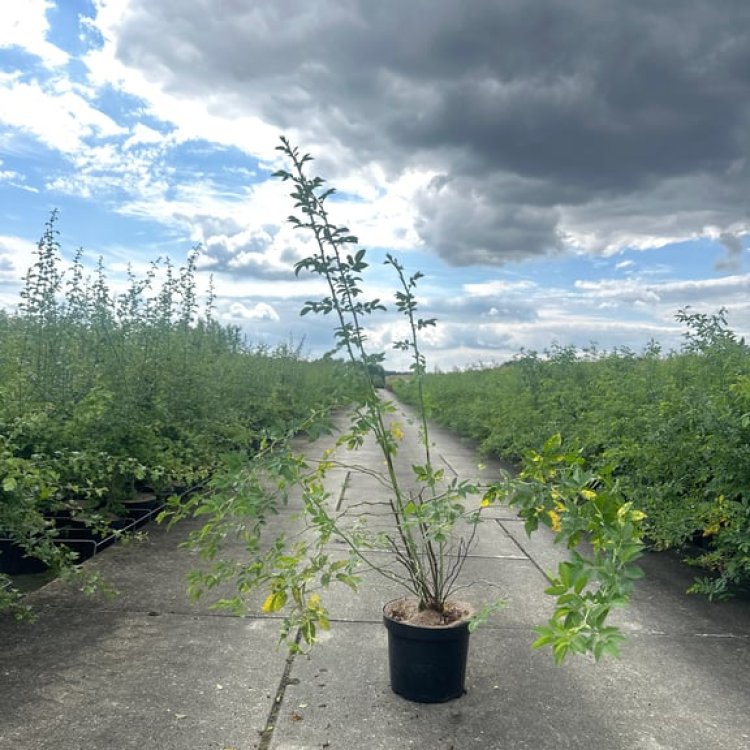
Embrace the native charm of Rosa canina, the Dog Rose. This robust shrub offers delicate pink summer flowers, followed by vibrant red hips that provide vital food for UK wildlife. Perfect for natural hedges or wildlife gardens.
13 in stock
Unveil the natural charm of Rosa canina, the Dog Rose, a beloved native British species adorning hedgerows with simple beauty and vital wildlife support.
Rosa canina, commonly known as the Dog Rose, is a quintessential sight across the British landscape, especially thriving in hedgerows and woodland edges. This resilient native shrub brings delicate elegance to any garden or wild space. Its presence signals the arrival of summer with a delightful display of flowers. It later provides essential sustenance for wildlife through its vibrant hips. Culturally significant, its history is deeply woven into the fabric of British flora. Furthermore, the Dog Rose offers an effortless way to enhance biodiversity.
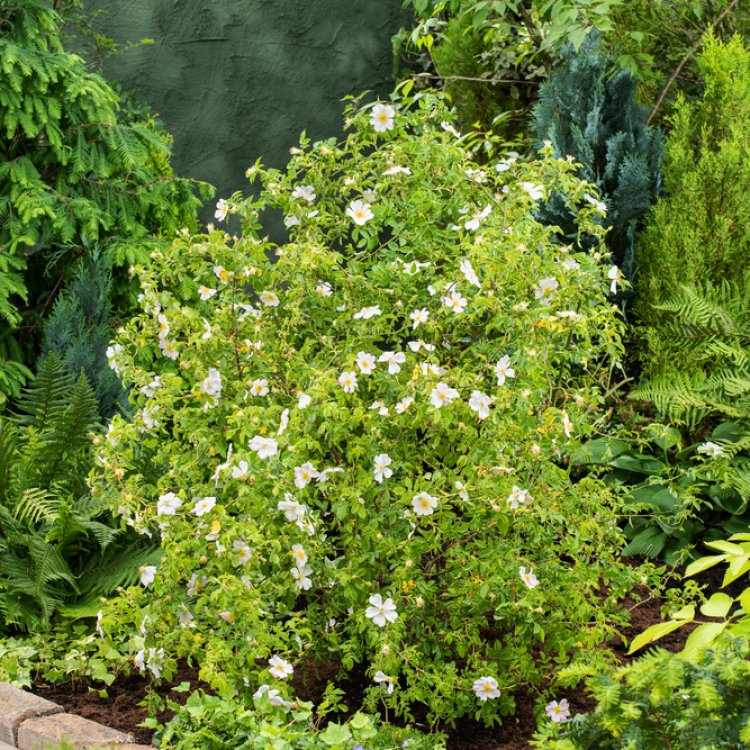
The name Rosa canina, often translated as “Dog Rose,” carries an interesting historical tale. It is thought to stem from an ancient belief that the root could cure the bite of a mad dog. This tough, scrambling shrub is truly native to the UK, found commonly in rural settings. Furthermore, its natural resilience makes it an excellent choice for gardeners seeking a low-maintenance, ecologically beneficial plant. It often forms dense thickets, providing shelter and a safe haven.
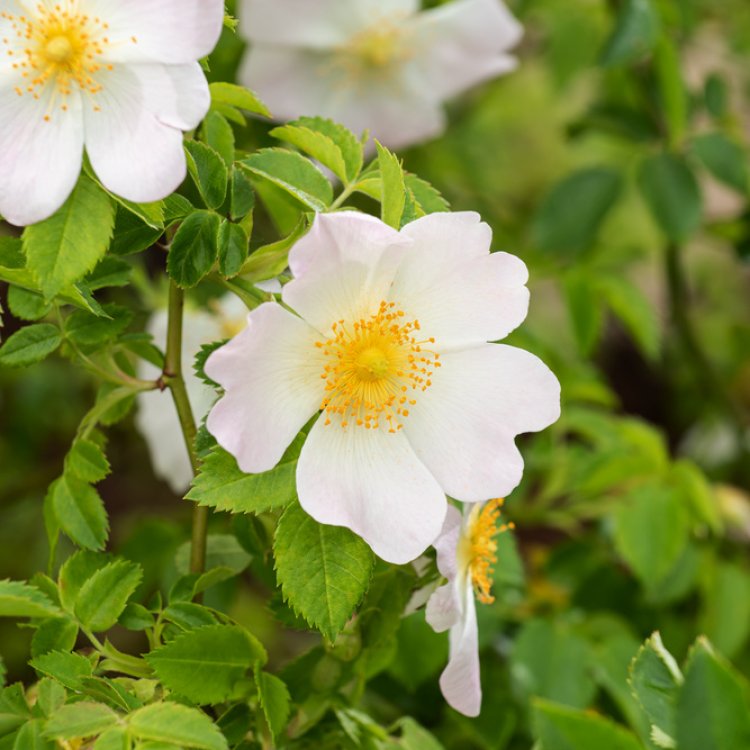
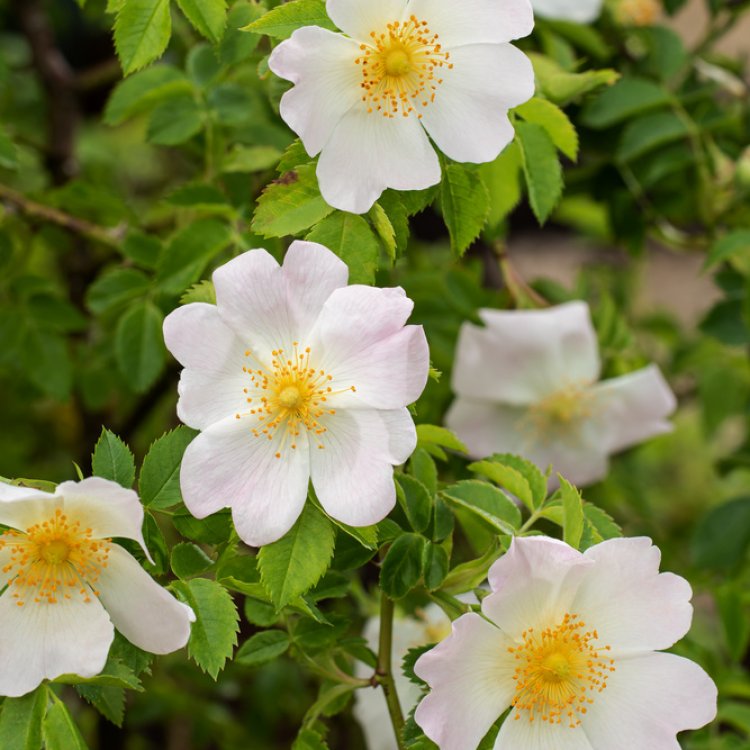
During the early summer months, typically spanning June and July, Rosa canina bursts into bloom. Its elegant flowers are simple yet captivating, featuring five delicate petals that range in colour from the palest pink to a pure white. Each bloom possesses a light, sweet fragrance, subtly attracting pollinators. The central cluster of bright yellow stamens stands out, drawing bees towards its nectar. The vibrant green foliage creates a soft backdrop, remaining attractive throughout the growing season.
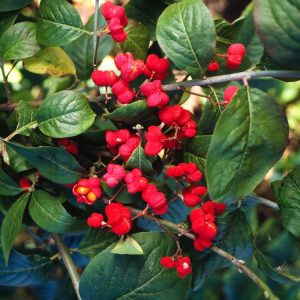
Following the flowering period, the real spectacle of this plant unfolds in autumn. The spent flowers transform into striking, oval-shaped rose hips. These vibrant red or orange-red fruits are visually appealing, also packed with Vitamin C. Birds, particularly thrushes and blackbirds, eagerly consume the hips, spreading the seeds and contributing to its natural propagation. Thus, these hips offer essential food during the colder months, making the Dog Rose a year-round asset for wildlife.
Gardeners can utilise this species in many ways. It performs exceptionally well as an informal hedging plant, creating impenetrable barriers due to its thorny stems. Moreover, it is superb for naturalistic planting schemes, enhancing wild areas or informal borders. You can also train the Dog Rose to scramble over pergolas, arches, or fences, adding vertical interest and a touch of untamed beauty. Its robust nature makes it ideal for challenging sites.
Truly, the Dog Rose is a powerhouse for biodiversity. Its simple, open flowers provide easily accessible pollen and nectar for a wide range of pollinators, including honeybees and bumblebees. Many species of insects also rely on its foliage and stems for food and shelter. As autumn arrives, the abundant rose hips become a crucial food source for birds, helping them to survive winter.
This robust plant typically requires minimal pruning, which makes it an easy-care option. However, if you wish to manage its size or encourage a particular shape, pruning can be carried out. Generally, it involves removing dead, damaged, or crossing branches in late winter or early spring. This helps to maintain plant health and vigour. Furthermore, reducing overgrown stems promotes bushier growth.
Very hardy. Tolerates temperatures typical of a continental winter.
Rosa canina is a robust and low-maintenance plant. It thrives in most well-drained soils and tolerates a range of light conditions from full sun to partial shade. Established plants generally require minimal watering. Pruning is typically only necessary to manage size, shape, or to remove dead or diseased wood. Annual pruning in late winter or early spring can encourage more vigorous growth and flowering.
This plant is deciduous so it will lose all of its leaves in the autumn and get fresh new foliage each spring.