£4.93 – £7.29Price range: £4.93 through £7.29
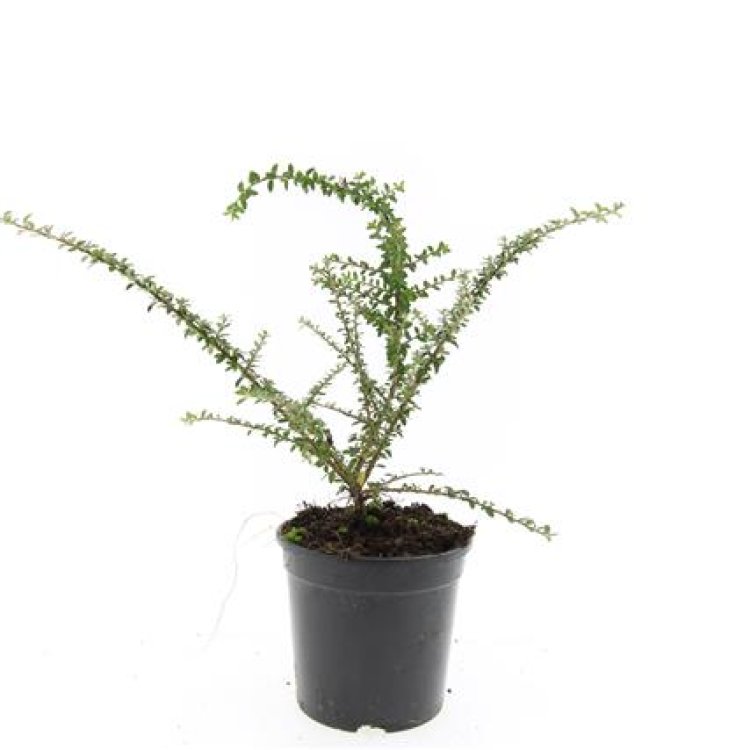
Cotoneaster conspicuus decorus, the Necklace Cotoneaster, is an evergreen shrub. It provides year-round interest with glossy foliage, subtle spring flowers, and abundant, vibrant red berries that feed winter birds. Low maintenance and hardy, it suits various UK garden uses.
365 in stock
Cotoneaster conspicuus decorus offers year-round garden interest, transforming UK gardens with its vibrant winter berries and dense, evergreen foliage.
Known as the Necklace Cotoneaster, this compact shrub is a true garden gem. It brings elegant texture and seasonal colour. Resilient and low-maintenance, it suits many gardeners. This hardy plant provides essential shelter and food for local wildlife, enhancing your garden’s biodiversity. It thrives in various UK settings, offering enduring appeal.
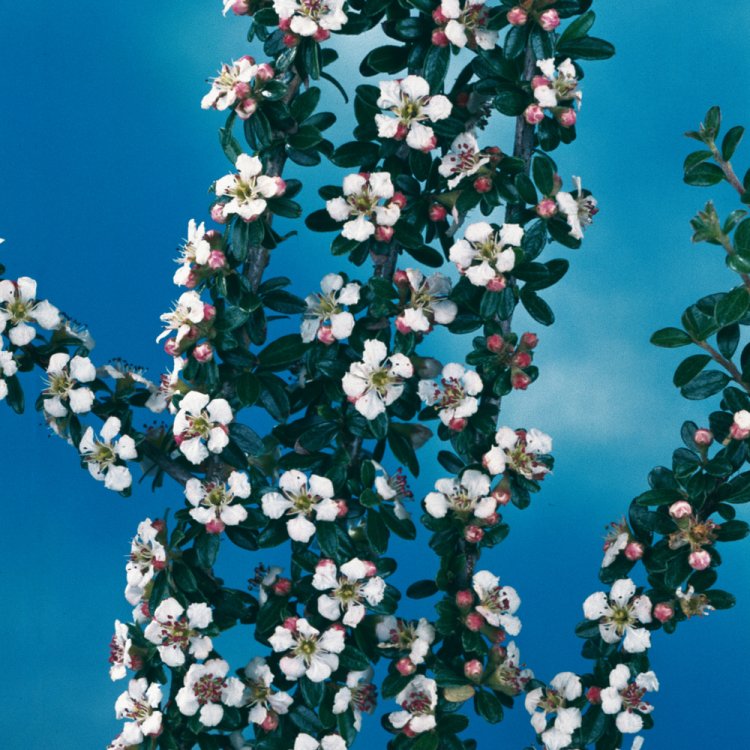
This delightful shrub features small, glossy, dark green leaves, remaining throughout the year. They create a dense, appealing backdrop. In late spring (May-June), Cotoneaster conspicuus decorus produces modest white flowers. These subtle blooms offer valuable nectar for bees.
Following this, the plant forms its most famous feature: numerous vibrant red berries. These spherical fruits emerge in late summer and autumn, often persisting through winter. Their bright colour stands out wonderfully against dark foliage and snowy landscapes. These berries are ornamental and provide vital sustenance for garden birds.
The name ‘Cotoneaster’ comes from ‘cotonea’ (quince) and ‘aster’ (similar). ‘Conspicuus’ means ‘showy’, referring to its striking berry display. ‘Decorus’ adds ‘elegant’, describing its graceful look.
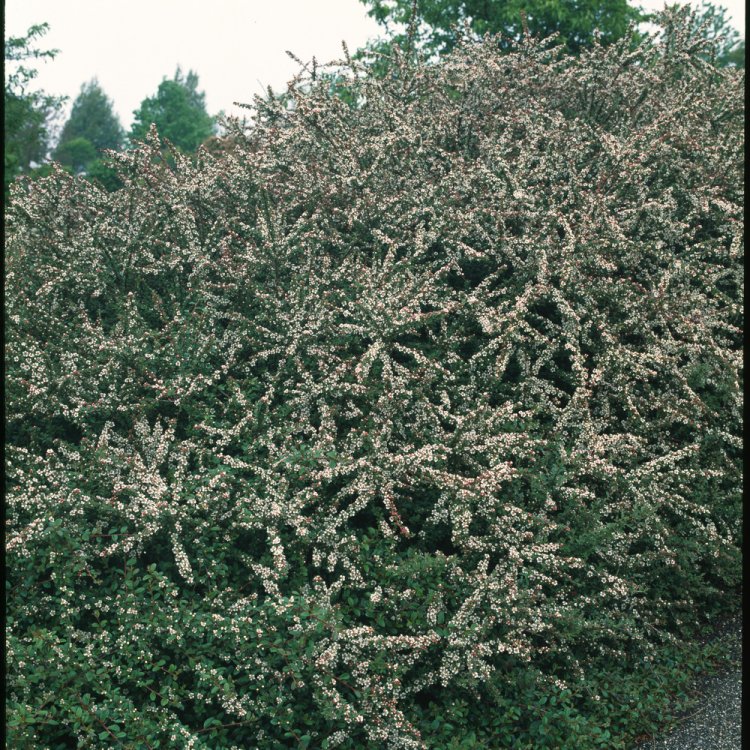
Cotoneaster conspicuus decorus is highly versatile. Its spreading habit makes it excellent for ground cover, suppressing weeds. It works well on banks, preventing soil erosion. Plant in rockeries, use for low hedging, or in larger containers on patios.
Beyond its beauty, Cotoneaster conspicuus decorus supports garden wildlife. Small spring flowers attract pollinating insects. Abundant berries make it a wildlife champion; from autumn through winter, they feed many bird species.
This Cotoneaster is famously easy to care for, requiring little attention. Pruning is seldom necessary, usually just removing dead or damaged branches, or light trimming for shape.
It tolerates various well-drained soil types and happily grows in full sun or partial shade. This adaptability makes Cotoneaster conspicuus decorus a practical, beautiful addition to any UK garden.
Very hardy. Tolerates temperatures typical of a continental winter.
Water newly planted Cotoneaster conspicuus decorus regularly until established, especially during dry spells. Mature plants are drought-tolerant but benefit from occasional watering in prolonged dry periods. Apply a general-purpose slow-release fertiliser in spring, though heavy feeding is rarely needed. A layer of organic mulch around the base helps retain soil moisture, suppress weeds, and provide nutrients. Prune sparingly to remove dead, damaged, or crossing branches, or to lightly shape the plant after flowering.