£30.26 – £39.69Price range: £30.26 through £39.69
Viburnum rhytidophyllum is a striking evergreen shrub, featuring deeply wrinkled, dark green leaves year-round. It produces creamy-white flowers in spring, followed by berries that ripen from red to black, attracting garden wildlife. Perfect for screens or borders.
10 in stock
Discovering Viburnum rhytidophyllum: A Garden Essential
Discover Viburnum rhytidophyllum, an evergreen shrub prized for its striking, deeply textured foliage and year-round garden appeal in the UK.
This robust, versatile evergreen shrub, Viburnum rhytidophyllum, offers great appeal to UK gardeners. It hails from central and western China. This plant thrives in many conditions, making it a reliable choice for diverse garden styles. Its unique, leathery leaves provide a bold textural statement, enriching the garden’s visual tapestry through colder months. It produces attractive flowers and berries, ensuring continuous interest.
Key Features of Viburnum rhytidophyllum:
A Plant of Distinction: Viburnum rhytidophyllum Foliage
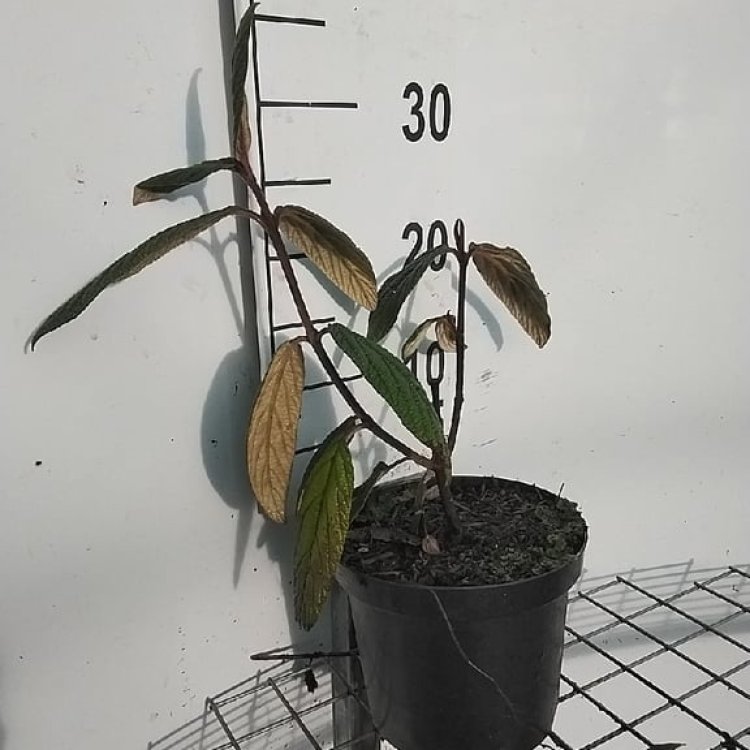
The most striking feature of Viburnum rhytidophyllum is its remarkable foliage. Each large leaf displays a deeply corrugated, dark green surface on top. This contrasts beautifully with the greyish-felted underside. This distinctive texture gives the plant its botanical epithet, ‘rhytidophyllum,’ meaning ‘wrinkled leaf.’ These evergreen leaves guarantee consistent visual interest, providing a verdant backdrop even during winter.
Seasonal Spectacle: Flowers and Berries
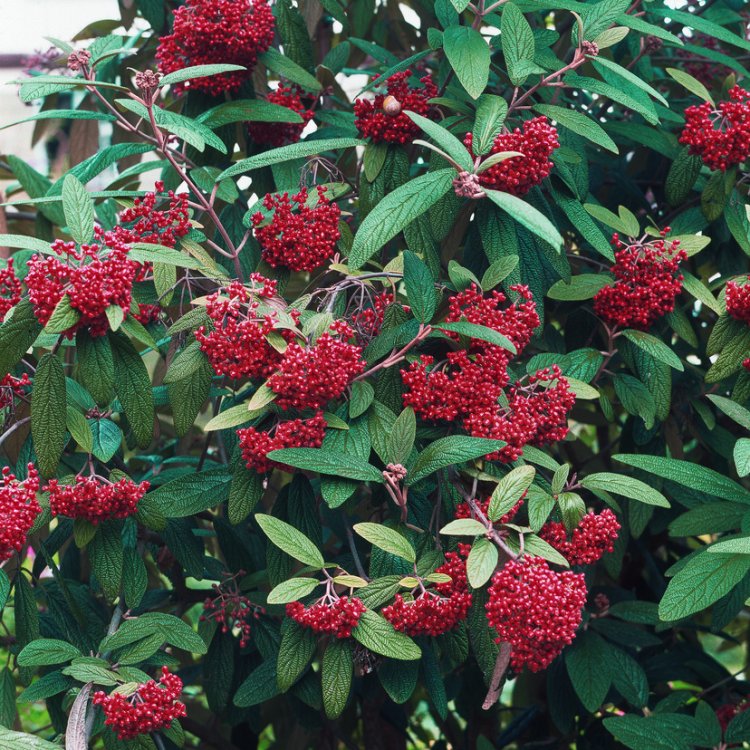
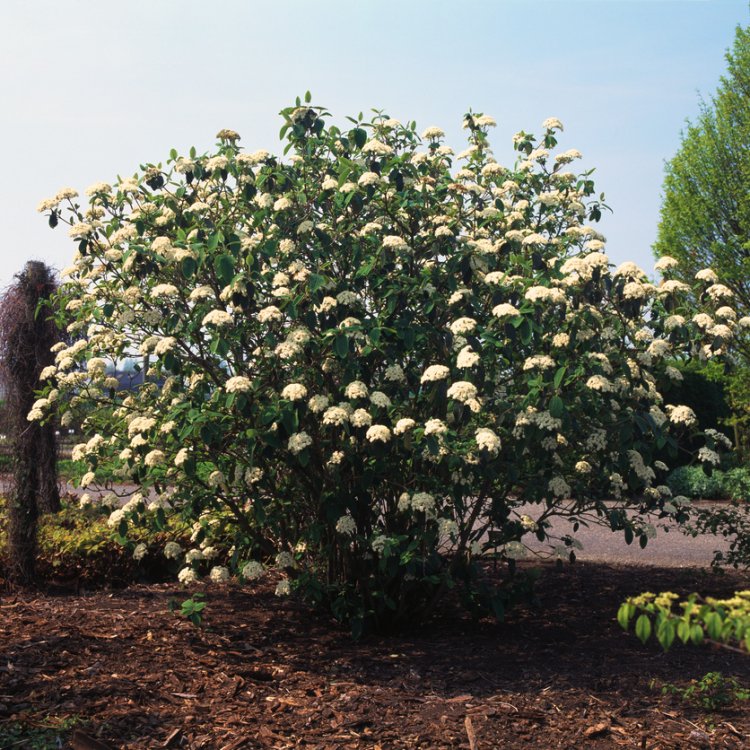
During late spring, typically April and May, Viburnum rhytidophyllum produces flattened clusters of creamy-white flowers. These blossoms appear at branch tips. They offer delicate contrast to its robust foliage. Later, these flowers develop into ornamental berries. Initially bright red, they ripen to glossy black in autumn. These berries are visually appealing and provide valuable food for various bird species, enhancing garden biodiversity.
Versatile Garden Uses for Viburnum rhytidophyllum
This vigorous shrub is highly adaptable for many UK garden applications. Its substantial size and dense habit make it excellent for creating effective screens or hedges, providing privacy and shelter. It also works well as a magnificent specimen plant. Gardeners use it effectively in mixed shrub borders, adding structural integrity and evergreen interest. Viburnum rhytidophyllum thrives in various settings.
Understanding Its Name and Wildlife Value
As mentioned, ‘rhytidophyllum’ directly translates from Greek, describing its notably wrinkled leaves. Beyond aesthetics, this plant supports local wildlife. Its spring flowers attract pollinators, including bees and butterflies, contributing significantly to garden health. Subsequently, autumn berries offer sustenance to birds, particularly through lean winter months. This makes Viburnum rhytidophyllum a beneficial addition for nature lovers.
Pruning and Maintenance
Generally, Viburnum rhytidophyllum requires minimal pruning. You might only need to remove any dead, damaged, or wayward branches to maintain its shape and health. The best time for this light pruning is immediately after it has finished flowering in late spring or early summer. Avoid heavy pruning unless rejuvenating an overgrown specimen, as this can reduce flowering and berry production for the following year.
Hardy in all of the UK and northern Europe. Suitable for exposed sites.
Viburnum rhytidophyllum is generally low-maintenance. Ensure it is planted in moist but well-drained soil. Water regularly during its establishment phase and in prolonged dry spells, especially during its first two years. Apply a balanced, slow-release granular fertiliser in early spring to support healthy growth. Pruning is minimal; simply remove any dead, diseased, or awkwardly placed branches after flowering in late spring to maintain shape and vigour. This plant is generally robust, though keep an eye out for common pests like viburnum beetle. Ensure good air circulation to minimise fungal issues.