£18.20 – £20.56Price range: £18.20 through £20.56
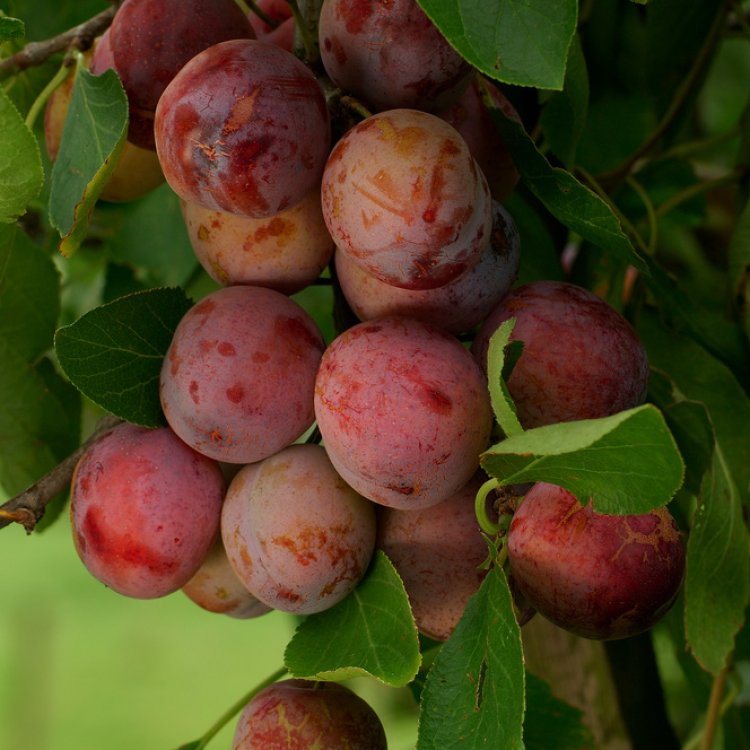
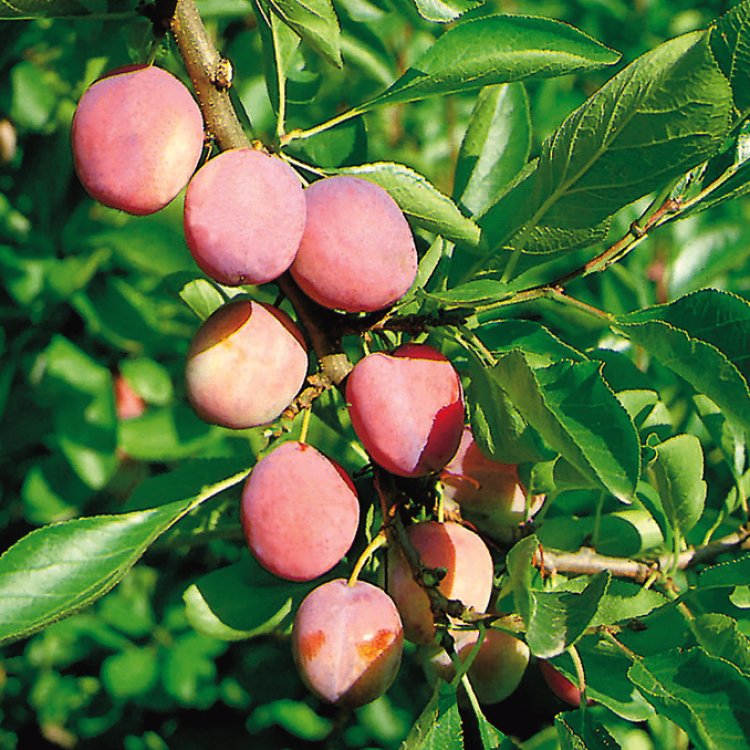
Prunus domestica ‘Opal’ is a favourite self-fertile plum tree, yielding abundant crops of sweet, purple-red fruit from late July. Enjoy delicious plums and beautiful spring blossoms, perfect for any size garden.
4000 in stock
Discover Prunus domestica ‘Opal’, a cherished plum tree known for its early fruiting and delightful flavour, a perfect addition to any UK garden.
The ‘Opal’ plum holds a special place in British gardens, often praised for its reliable and abundant harvests. This versatile tree is a superb choice for both novice and experienced growers, consistently delivering sweet, juicy fruits. Its compact size also makes it ideal for smaller spaces, allowing more gardeners to enjoy the rewards of home-grown plums. Furthermore, its beautiful spring blossom adds ornamental value before the delicious plums even appear.
Prunus domestica ‘Opal’ originated in Sweden in 1925, a successful cross between the ‘Early Favourite’ and ‘Kirke’s Plum’ varieties. It quickly gained popularity across Europe, including the UK, due to its exceptional flavour and dependable nature. This plum cultivar received its name, ‘Opal’, to reflect the beautiful, almost translucent quality of its skin as it ripens, hinting at the juicy flesh within.
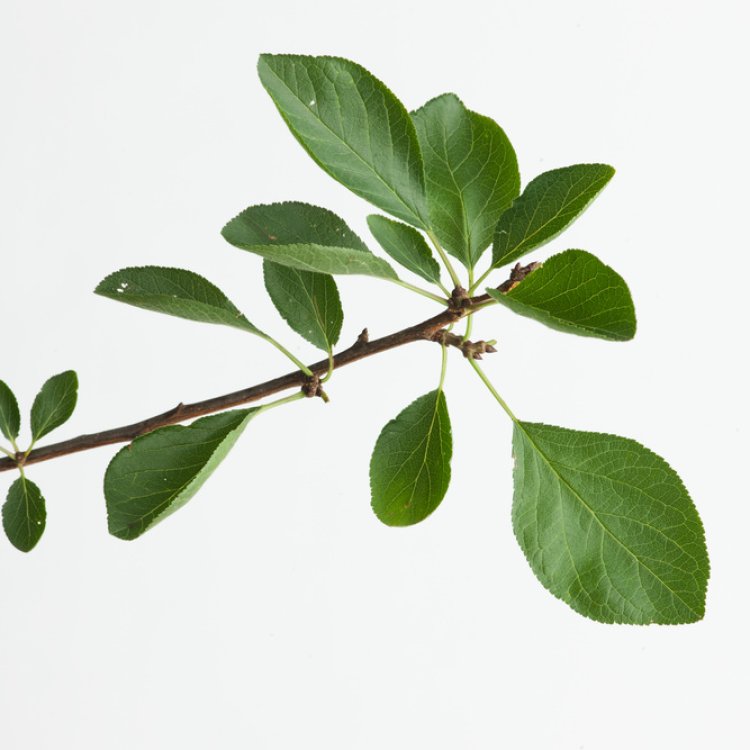
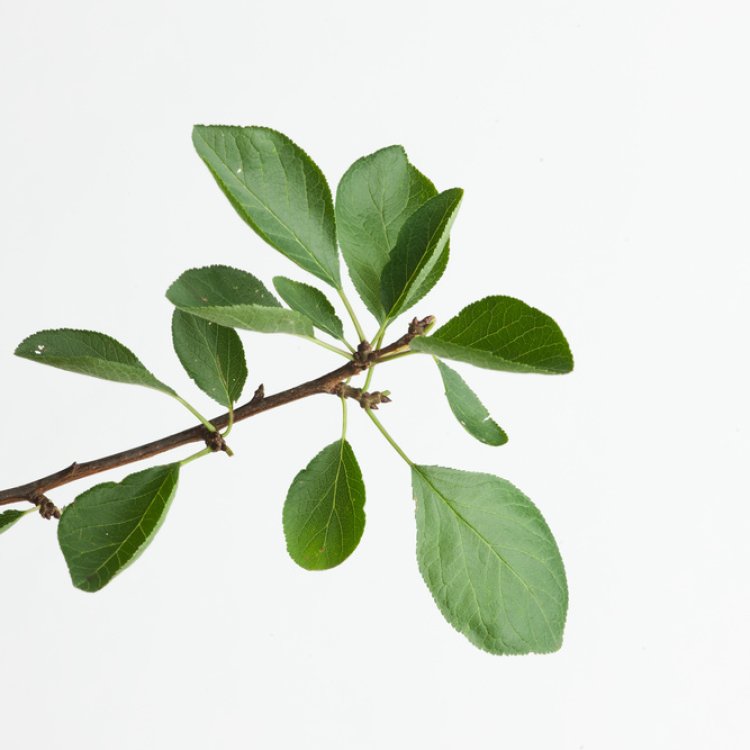
In early spring, before the leaves fully emerge, the ‘Opal’ plum tree bursts into life with a profusion of delicate white blossoms. These flowers create a stunning display, signalling the arrival of warmer weather. As the season progresses, the tree develops its characteristic oval, mid-green foliage, which provides a lush backdrop to the developing fruit. By late July and early August, the branches become heavy with ripe, succulent plums.
Gardeners appreciate Prunus domestica ‘Opal’ for its versatility. It excels as a dessert plum, eaten fresh from the tree, and also performs wonderfully in jams, crumbles, and pies. Many choose to grow it as a freestanding specimen, allowing its natural, graceful shape to develop. Moreover, its adaptable growth habit means you can train it against a wall as an espalier or fan, which maximises space in smaller gardens. This plum tree is a fantastic option for creating a mini-orchard or integrating into a mixed border for both beauty and bounty.
The blossoms of the ‘Opal’ plum are a welcome sight for early pollinators. Bees and other beneficial insects flock to the abundant flowers, gathering nectar and pollen, consequently supporting local wildlife populations. This interaction highlights the tree’s ecological contribution to a thriving garden ecosystem. Regular pruning helps maintain the tree’s health, shape, and promotes better fruit production, ensuring a rewarding harvest each year.
Very hardy. Tolerates temperatures typical of a continental winter.
Prunus domestica 'Opal' thrives with a few key care practices. Water deeply and regularly, especially during dry spells and when the fruit is forming, ensuring the soil remains consistently moist but not waterlogged. Apply a balanced fertiliser in early spring to support healthy growth and fruit production. Prune in summer to maintain an open canopy, remove any dead, diseased, or crossing branches, and to manage its size and shape. This also helps improve air circulation and sunlight penetration to the ripening fruit. Protect young trees from pests and diseases, monitoring regularly for any issues. Ensure adequate drainage to prevent root problems, particularly in heavier soils.
This plant is deciduous so it will lose all of its leaves in the autumn and get fresh new foliage each spring.