£63.11 – £72.54Price range: £63.11 through £72.54
Acer griseum, the Paperbark Maple, offers year-round beauty with its distinctive peeling cinnamon bark and spectacular autumn foliage in reds and oranges, ideal for UK gardens.
11 in stock
Discover Acer griseum, the captivating Paperbark Maple, cherished for its extraordinary peeling bark and dazzling autumn display, a true garden gem.
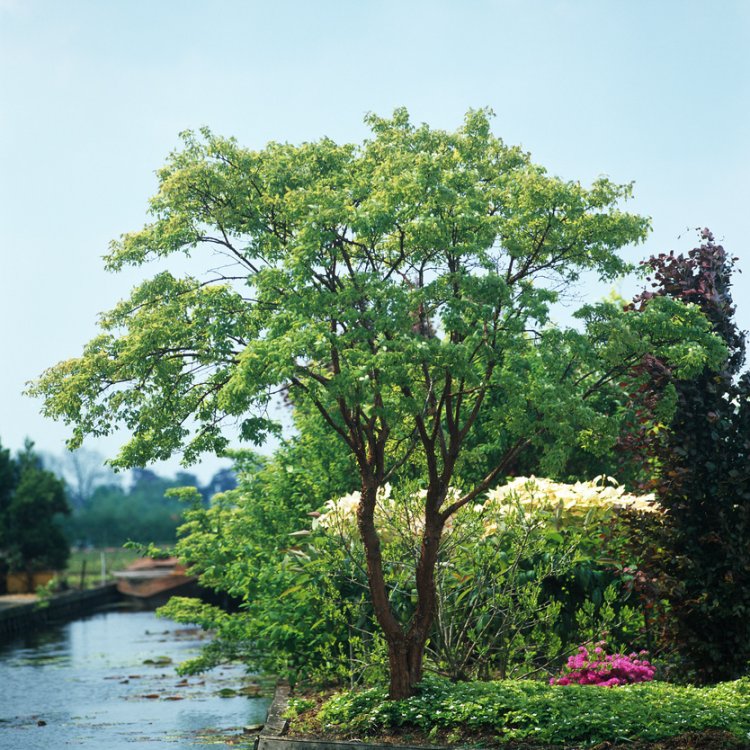
Acer griseum is a truly remarkable deciduous tree, originating from central China. It belongs to the maple family (Sapindaceae) and is celebrated for its unique ornamental qualities. This species earned its name, ‘griseum’, meaning grey. This refers to the silvery-grey underside of its leaves. It provides a lovely contrast to the dark green upper surface. This tree offers year-round interest, making it a stellar addition to any UK garden. Its allure extends well beyond a single season, providing beauty in all weathers.
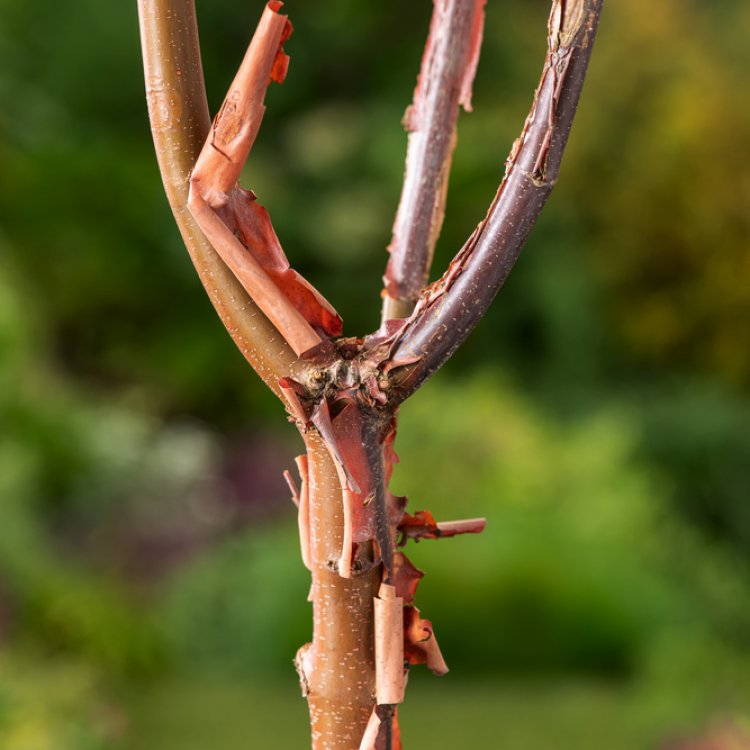
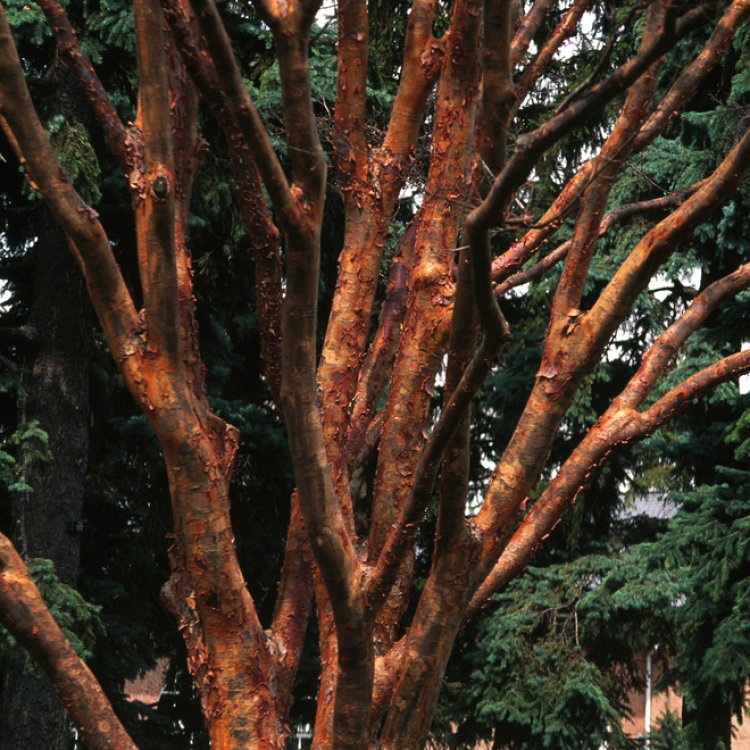
The most celebrated feature of Acer griseum is undoubtedly its bark. As the tree matures, the outer layers of its rich, cinnamon-brown bark begin to peel away in thin, papery sheets. This process reveals fresh, often lighter, inner bark. Consequently, this creates a mesmerising, multi-toned effect. This remarkable texture and colour deepens with age. It ensures a spectacular display, especially during the quiet winter months when other plants are dormant. Many gardeners consider this peeling bark an art form in itself.
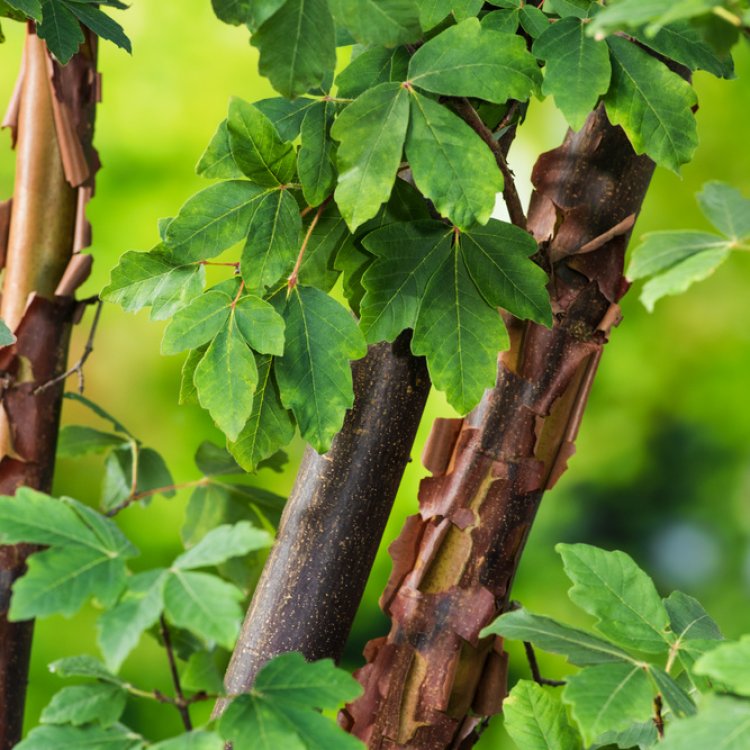
Beyond its iconic bark, the foliage of the Paperbark Maple offers seasonal charm. Its leaves are distinctively trifoliate, meaning each leaf comprises three smaller leaflets. These appear a fresh green in spring and summer, with a pleasingly soft, grey-green underside. However, the true spectacle unfolds in autumn. The leaves transform into breathtaking shades of fiery crimson, rich orange, and coppery bronze. Therefore, Acer griseum becomes a vivid focal point in any UK garden during the cooler months. It catches the low autumn sun beautifully.
Due to its moderate growth and eventual size, Acer griseum makes an excellent specimen tree. Plant it in a prominent position, perhaps in a lawn or within a mixed border. Its unique bark can be admired up close there. It offers a graceful silhouette, which is particularly appealing. Furthermore, this tree contributes to garden biodiversity. It provides valuable shelter for small birds and other garden creatures throughout the year. Although its flowers are small and discreet, they appear in spring. They still offer a modest, early nectar source for emerging pollinators, like bees. This is vital when food sources can be scarce.
Generally, Acer griseum requires minimal pruning to maintain its natural, elegant shape. It typically forms a lovely habit without much intervention. Remove any dead, damaged, or awkwardly crossing branches. This improves air circulation and tree health. The best time for this light pruning is during late summer to early autumn. At this time, the sap flow is less vigorous. This careful approach helps the tree retain its inherent beauty. It also ensures it thrives for many years in your garden.
Very hardy. Tolerates temperatures typical of a continental winter.
Plant Acer griseum in well-drained, fertile soil, ideally during the dormant season (late autumn to early spring) for best establishment. Water regularly after planting until fully established, especially during dry spells. Apply a layer of organic mulch around the base to retain moisture and suppress weeds. Pruning is generally minimal; remove any dead, damaged, or crossing branches in late summer to early autumn to prevent sap bleed. Protect young trees from strong winds.
This plant is deciduous so it will lose all of its leaves in the autumn and get fresh new foliage each spring.