£79.85 – £84.56Price range: £79.85 through £84.56
Cercis canadensis ‘Forest Pansy’ is a magnificent small tree or shrub. It features stunning deep purple, heart-shaped leaves and bright rosy-pink flowers appearing on bare stems in spring. This hardy plant offers fantastic autumn colour too.
4 in stock
Discover Cercis canadensis ‘Forest Pansy’, a captivating small deciduous tree or large shrub, celebrated for its stunning deep purple foliage and vibrant spring blossoms. This elegant plant offers year-round interest and performs well in many UK garden settings.
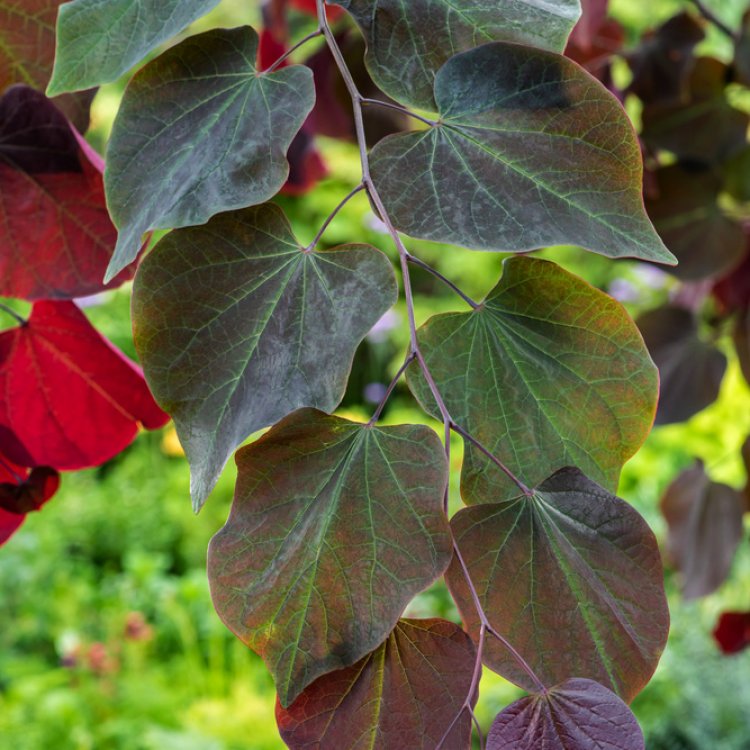
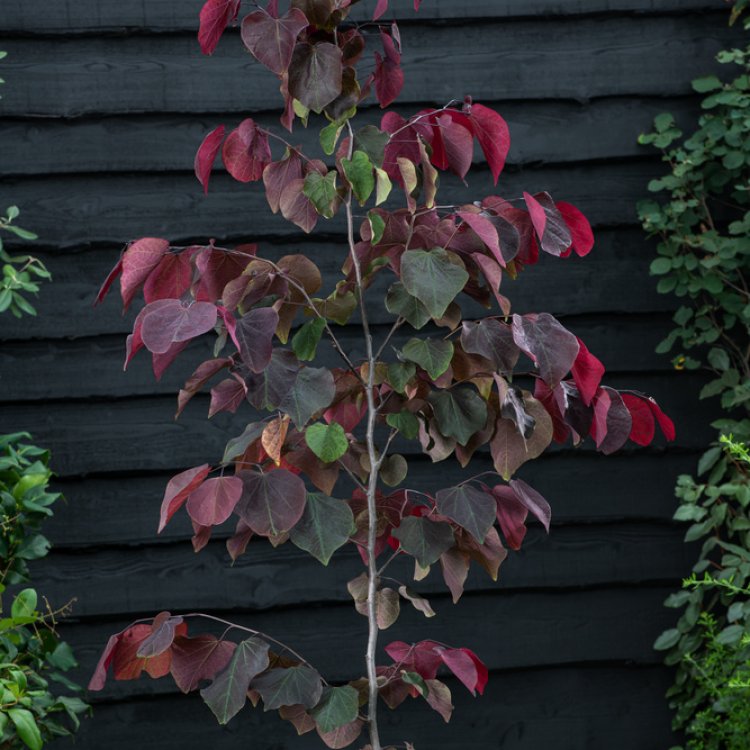
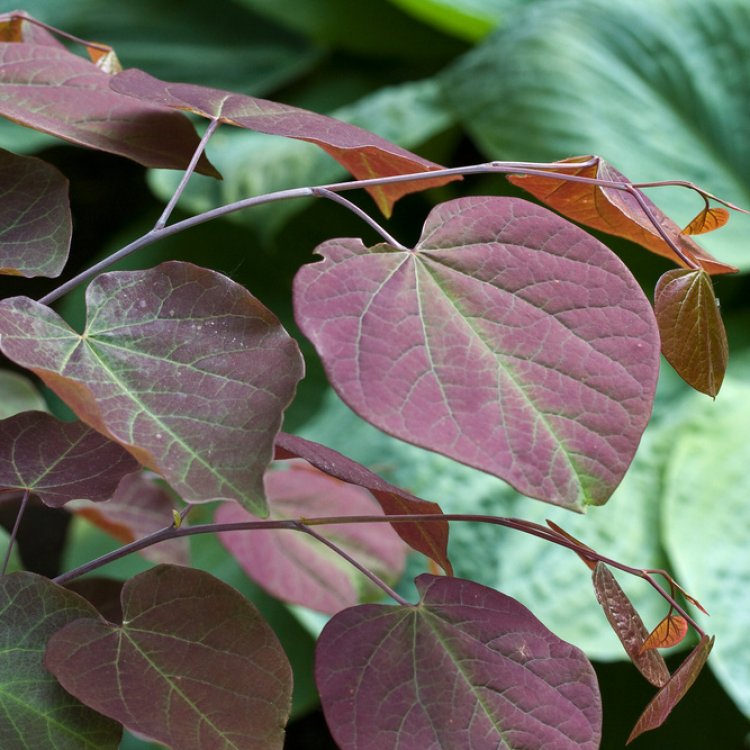
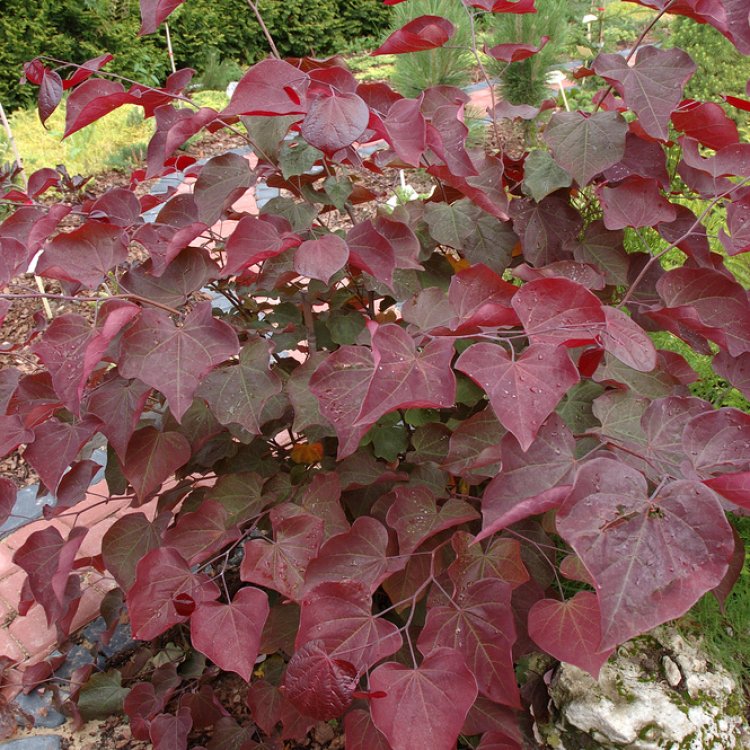
Cercis canadensis ‘Forest Pansy’ brings exceptional beauty to any outdoor space. It originates from eastern North America, thus its species name ‘canadensis’. The cultivar name ‘Forest Pansy’ describes its uniquely heart-shaped leaves, which boast a deep, rich purple colour, reminiscent of a pansy flower. This tree grows with an attractive, spreading habit, making it an ideal choice for both focal points and informal garden structures. Its striking appearance changes delightfully through the seasons.
Each spring, before its dramatic leaves appear, Cercis canadensis ‘Forest Pansy’ puts on a spectacular floral display. Small, delicate rosy-pink flowers emerge along its bare branches and even directly on the trunk. These charming blossoms create a cloud of colour, signalling the arrival of warmer weather. After the flowers fade, the tree’s true foliage emerges. New leaves burst forth in a bright, glossy red. Soon after, they mature into their characteristic deep, lustrous burgundy-purple. This rich colour holds well throughout the summer, providing a consistent visual anchor in the garden. As the seasons turn, the leaves transform once more, igniting with fiery autumn hues of orange, red, and purple before they drop.
Gardeners often plant Cercis canadensis ‘Forest Pansy’ as a superb specimen tree. It creates an eye-catching focal point in borders or on lawns. Its moderate size also makes it suitable for smaller gardens, where it can provide excellent structural interest. You can use it effectively in informal screens or as part of a mixed planting scheme. This versatile tree also offers benefits for local wildlife. Its early spring flowers supply nectar and pollen for foraging bees and other beneficial insects. Therefore, it supports biodiversity in your garden. Pruning requirements are minimal for this plant. Remove any dead, damaged, or crossing branches after it finishes flowering to maintain its health and shape. This helps ensure vigorous growth and continued aesthetic appeal.
Very hardy. Tolerates temperatures typical of a continental winter.
Provide regular watering, especially for young plants and during dry spells. Apply a general-purpose fertiliser in spring. Prune minimally; remove dead, damaged, or crossing branches after flowering to maintain shape and health. Protect from strong winds. Generally trouble-free, but watch for signs of verticillium wilt or canker.
This plant is deciduous so it will lose all of its leaves in the autumn and get fresh new foliage each spring.