£7.09 – £9.45Price range: £7.09 through £9.45
Vitex agnus-castus, the Chaste Tree, offers stunning violet-blue flowers from late summer. Its aromatic foliage and pollinator appeal make it perfect for UK gardens. Enjoy extended colour and a vibrant atmosphere with this versatile shrub.
178 in stock
Discover the charm of Vitex agnus-castus, a beautiful shrub offering late-season colour and an aromatic presence in UK gardens.
Vitex agnus-castus, often called the Chaste Tree, brings unique appeal to any garden. This beautiful deciduous shrub thrives across temperate regions, including the UK. It offers striking purple-blue flowers when many other plants finish blooming. Its distinctive foliage and alluring scent make it a favoured choice for gardeners seeking both beauty and interest in their outdoor spaces.
The captivating Vitex agnus-castus, also known as the Chaste Tree or Monk’s Pepper, boasts a rich history. Its scientific name honours ancient beliefs and uses. ‘Vitex’ originates from the Latin ‘vitilium’, referring to its flexible stems. Furthermore, ‘agnus-castus’ translates to ‘chaste lamb’, reflecting historical associations. This delightful plant offers both beauty and a fascinating heritage within its name. It originally comes from Mediterranean and Asian regions, yet it easily adapts to UK garden conditions.
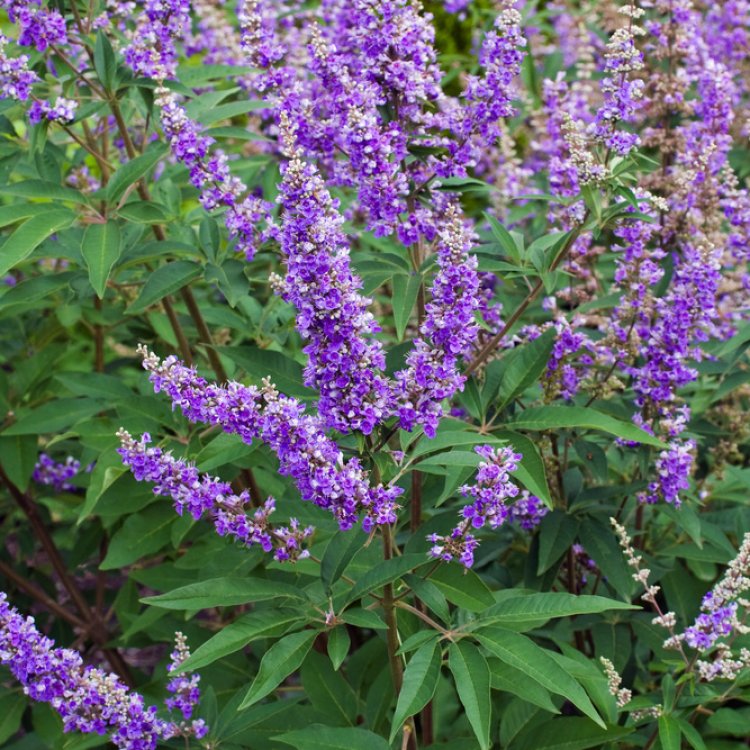
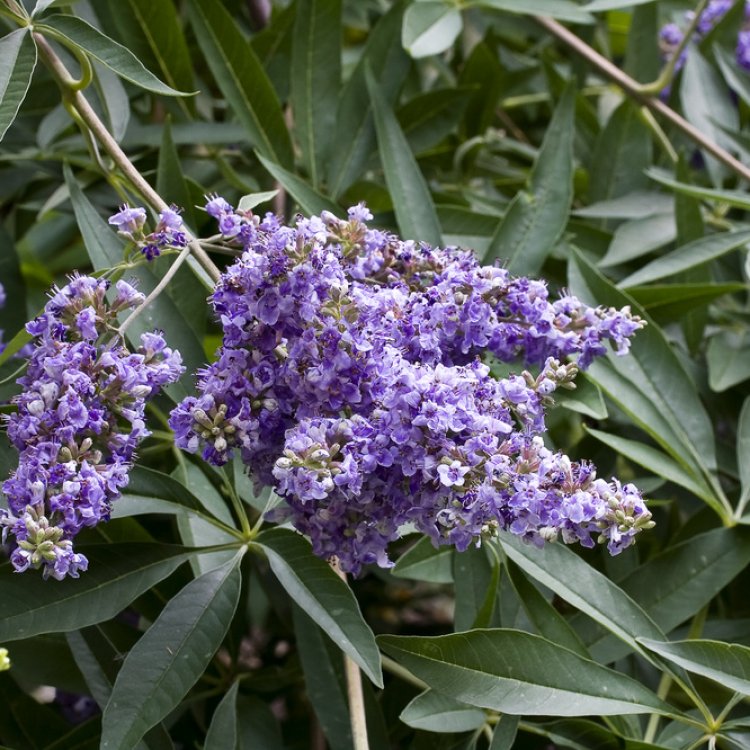
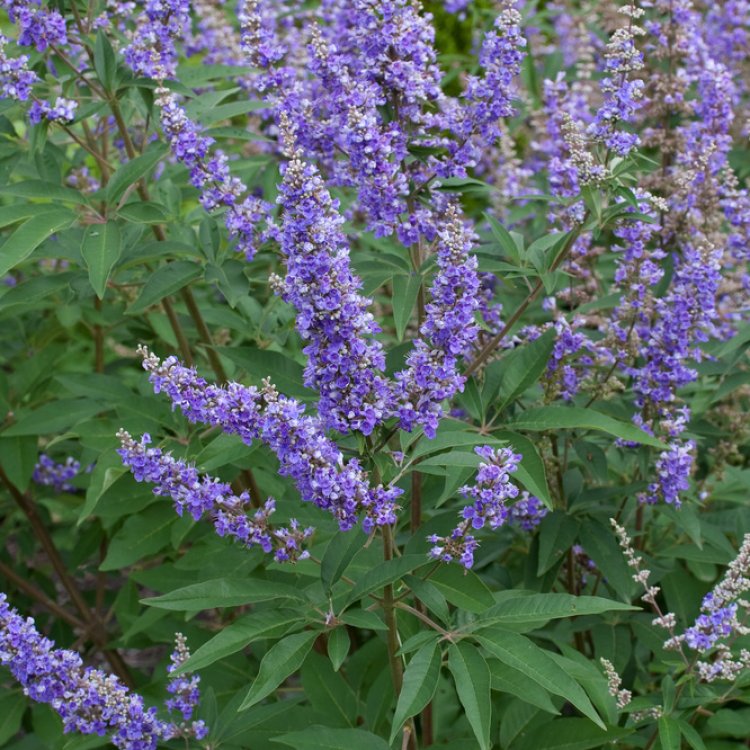
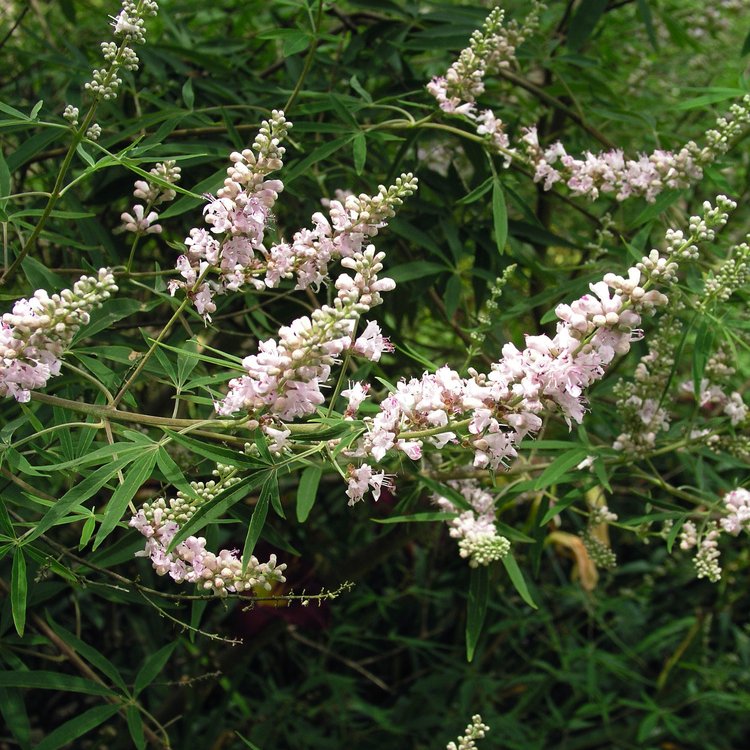
Vitex agnus-castus delivers a spectacular display of violet-blue flowers from late summer into autumn. These delicate blooms appear on tall, slender spikes. They provide a welcome splash of colour as other plants fade. Consequently, your garden enjoys extended visual appeal. Its foliage is equally remarkable.
The grey-green leaves are palmate, meaning they resemble an open hand with finger-like segments. They release a pleasant, peppery aroma when brushed or crushed. This adds sensory delight to your garden experience. Indeed, this plant truly combines visual charm with an inviting scent.
The Chaste Tree offers incredible versatility for various garden designs. You can use it as a striking specimen plant, commanding attention with its elegant form and late-season flowers. Moreover, it fits perfectly into mixed borders, adding height and texture. It also thrives in Mediterranean-style gardens or coastal settings, tolerating drier conditions once established.
Furthermore, Vitex agnus-castus is a magnet for local wildlife. Its abundant flowers attract bees and butterflies, providing a valuable nectar source late in the season. Therefore, it supports biodiversity in your garden, becoming a lively hub of activity.
Vitex agnus-castus, also known as Chaste Tree, responds well to pruning. You can shape it to maintain its desired size and form within your garden. This plant can grow quite large, so regular pruning helps keep it in check. Often, gardeners prune it back hard in late winter or early spring. This encourages strong new growth and a profusion of flowers for the coming season. Ultimately, careful pruning ensures a compact, floriferous shrub.
Hardy across most of the UK except particularly exposed or cold regions.
Vitex agnus-castus requires regular watering during its establishment phase. Once settled, it becomes notably drought tolerant. Pruning is best undertaken in late winter or early spring, removing any dead or damaged wood and shaping the plant to manage its size. Hard pruning can encourage more prolific flowering. Apply a balanced, general-purpose fertiliser in spring to support healthy growth and bloom production. In colder regions, a protective mulch around the base of young plants can offer additional winter protection.
This plant is deciduous so it will lose all of its leaves in the autumn and get fresh new foliage each spring.