£11.48 – £13.84Price range: £11.48 through £13.84
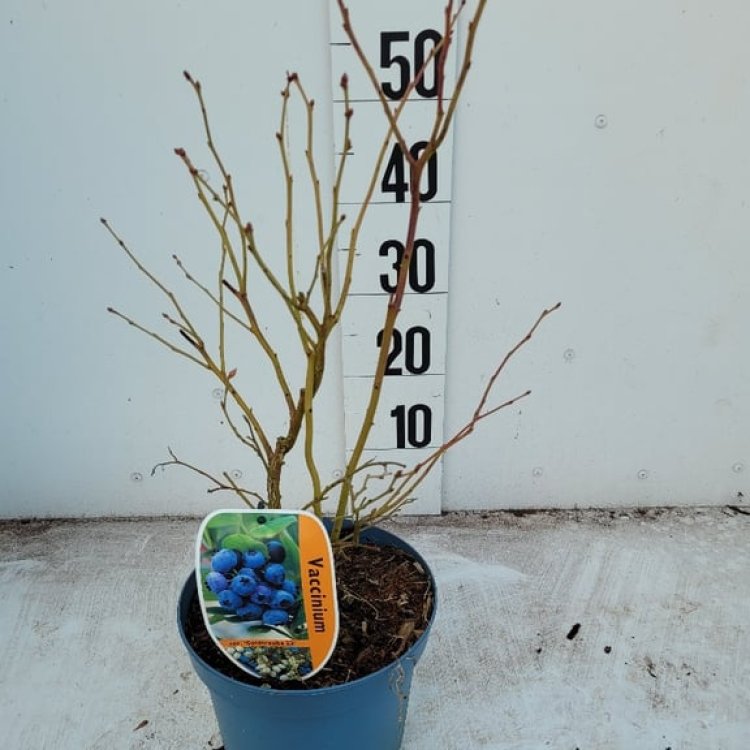
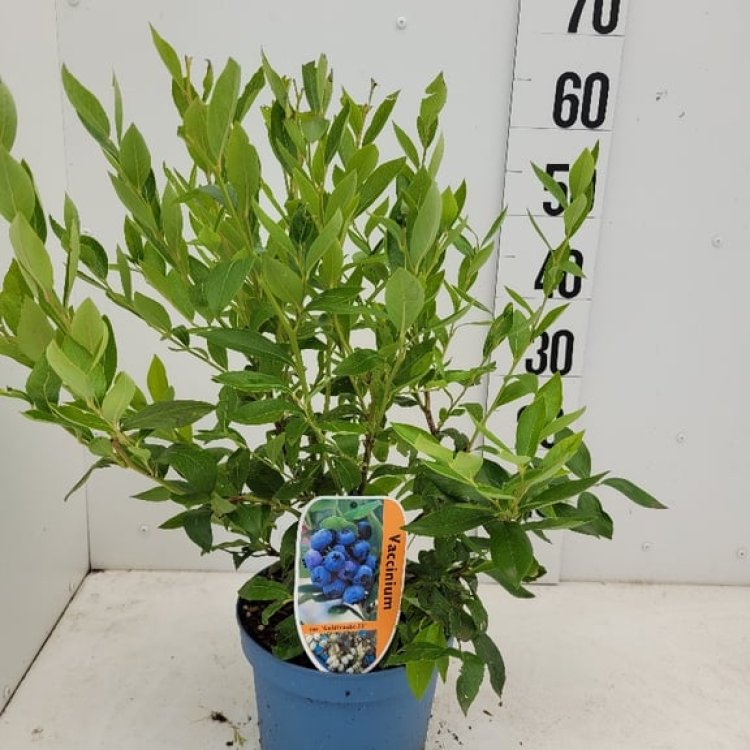
Vaccinium corymbosum ‘Goldtraube 23’ is a superb highbush blueberry, yielding sweet, abundant fruit. Enjoy its charming spring flowers, vibrant autumn foliage, and compact growth, perfect for UK gardens and wildlife. Plant in acidic soil for a successful harvest.
200 in stock
Vaccinium corymbosum ‘Goldtraube 23’ is a superb highbush blueberry, renowned for its abundant, sweet fruits and vibrant autumn colours.
This exceptional cultivar, Vaccinium corymbosum ‘Goldtraube 23’, brings deliciousness and beauty to any UK garden. It is often simply called ‘Blueberry Goldtraube 23’. This deciduous shrub offers a fantastic harvest of berries, perfect for eating fresh or using in various culinary delights. Furthermore, its seasonal appeal ensures year-round interest in your outdoor space.
The genus Vaccinium includes many popular fruit-bearing plants. This group contains blueberries, cranberries, and bilberries. The specific epithet ‘corymbosum’ aptly describes its flower clusters. These resemble a corymb, meaning flat-topped. ‘Goldtraube 23’ is a renowned German cultivar. Its name, translating to ‘Gold Grape’, hints at its valuable harvest and clustered fruit. This highbush blueberry thrives in cooler climates. Thus, it makes an excellent choice for gardens across the United Kingdom. Its upright and compact growth habit ensures it fits well in many settings.
In late spring, typically around May to early June, Vaccinium corymbosum ‘Goldtraube 23’ bursts into life. Charming bell-shaped flowers emerge. These delicate white to pale pink blossoms hang in profusion. Furthermore, they attract a diverse array of pollinating insects, especially bees. Subsequently, these flowers develop into the plant’s main attraction: its delicious, plump blueberries. These berries ripen from mid to late summer. They offer a consistent supply of healthy, antioxidant-rich fruit.
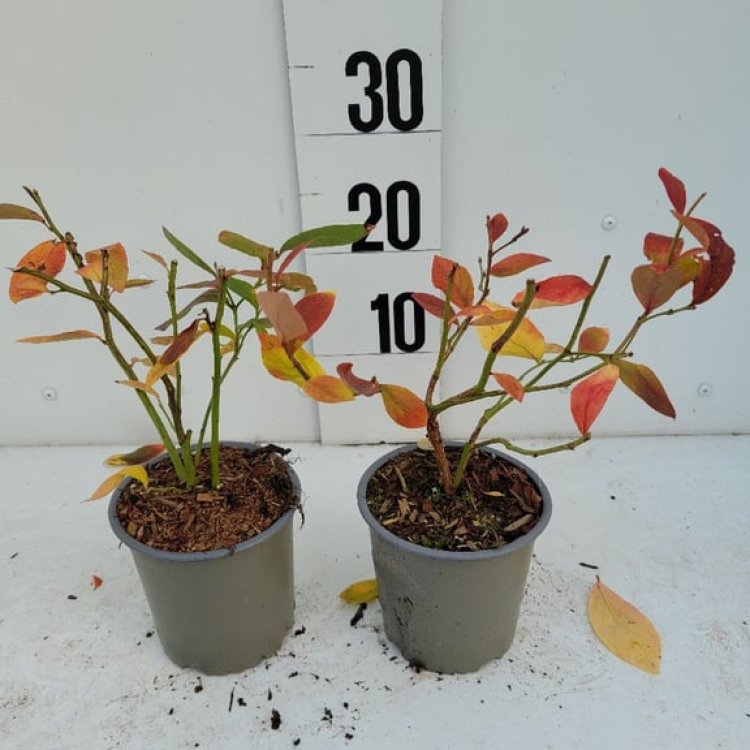
As the growing season concludes, the plant transforms beautifully. Its glossy green leaves transition into magnificent fiery hues of red, orange, and even purple. This provides a stunning display. Eventually, the leaves fall for winter, completing the seasonal cycle.
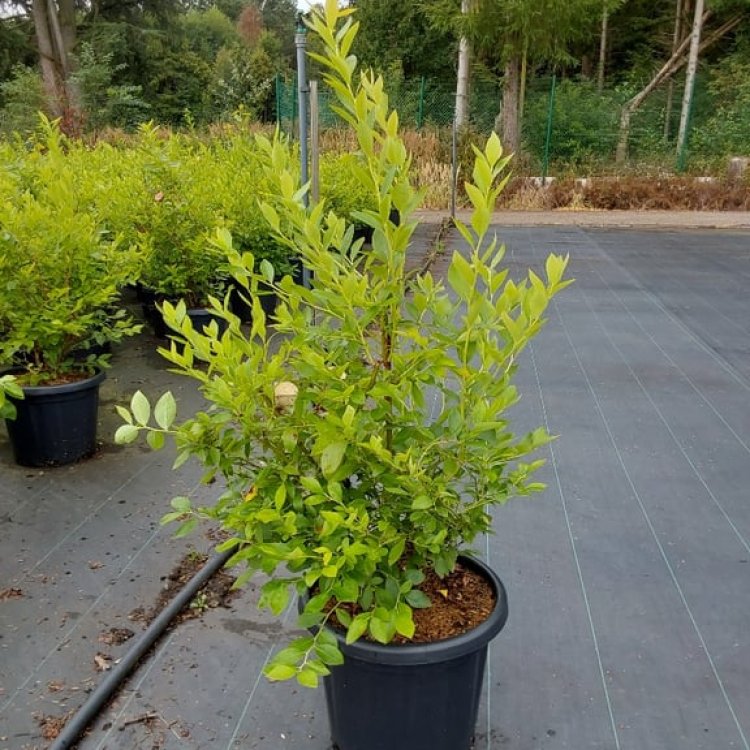
Vaccinium corymbosum ‘Goldtraube 23’ is a versatile addition. It works splendidly as part of a fruiting hedge, delivering both beauty and bounty. You can also plant it in mixed borders. Here, its seasonal colour changes add dynamic interest. Given its compact nature, it performs exceptionally well in large containers or pots on patios. This ensures even those with limited space can enjoy homegrown blueberries. For best results and good fruit production, some light pruning helps. Remove any old or weak stems in late winter or early spring. This practice maintains plant vigour and an open structure.
Very hardy. Tolerates temperatures typical of a continental winter.
Blueberries thrive in acidic soil (pH 4.5-5.5). Plant in a sunny or partial sun spot in well-drained, humus-rich compost. Water regularly, especially during dry spells and fruit development. Mulch annually with pine needles, bark, or ericaceous compost to maintain soil acidity and moisture. Feed in spring with a specific ericaceous fertiliser. Prune in late winter or early spring by removing any old, unproductive wood and weak growth to encourage new shoots and better fruit production. Protect developing berries from birds with netting if necessary.
This plant is deciduous so it will lose all of its leaves in the autumn and get fresh new foliage each spring.