£36.36 – £47.29Price range: £36.36 through £47.29
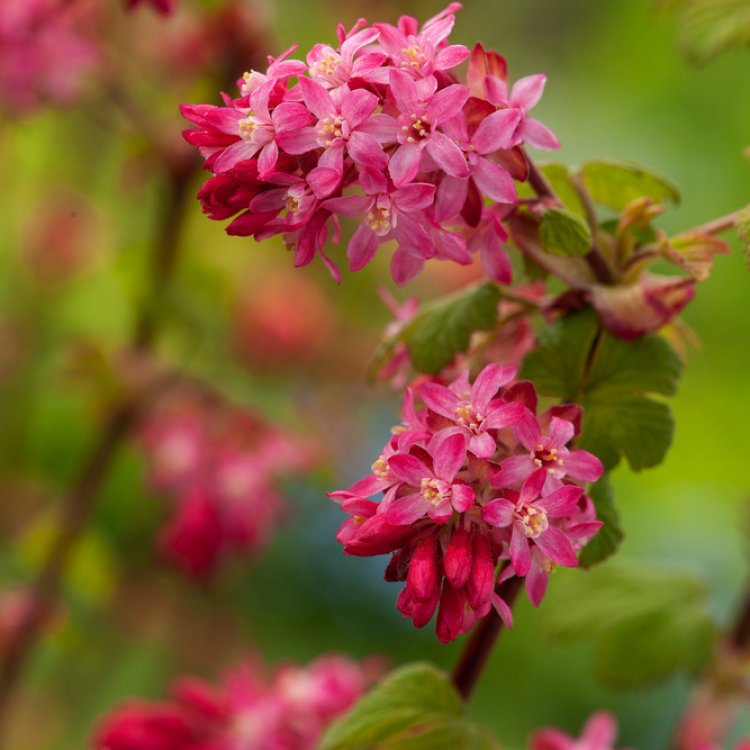
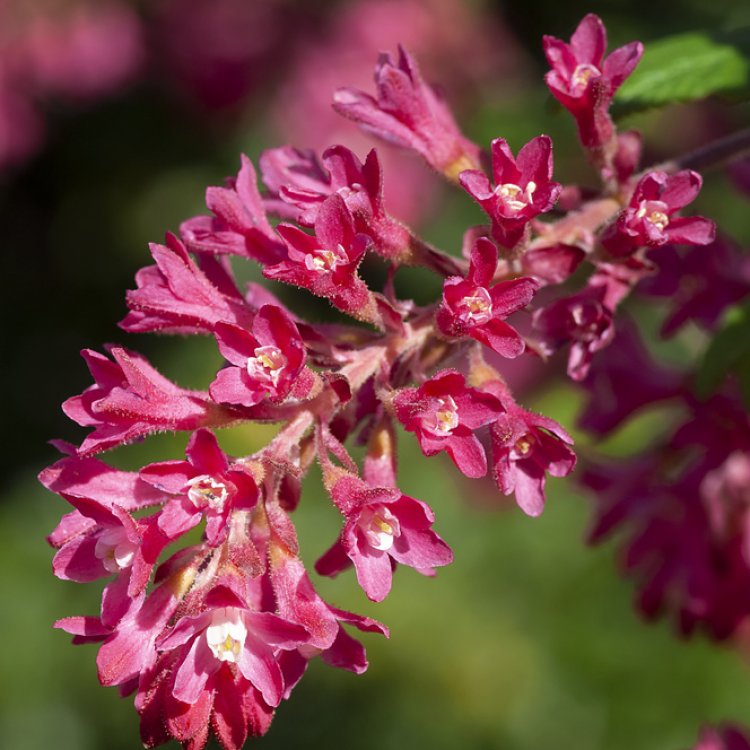
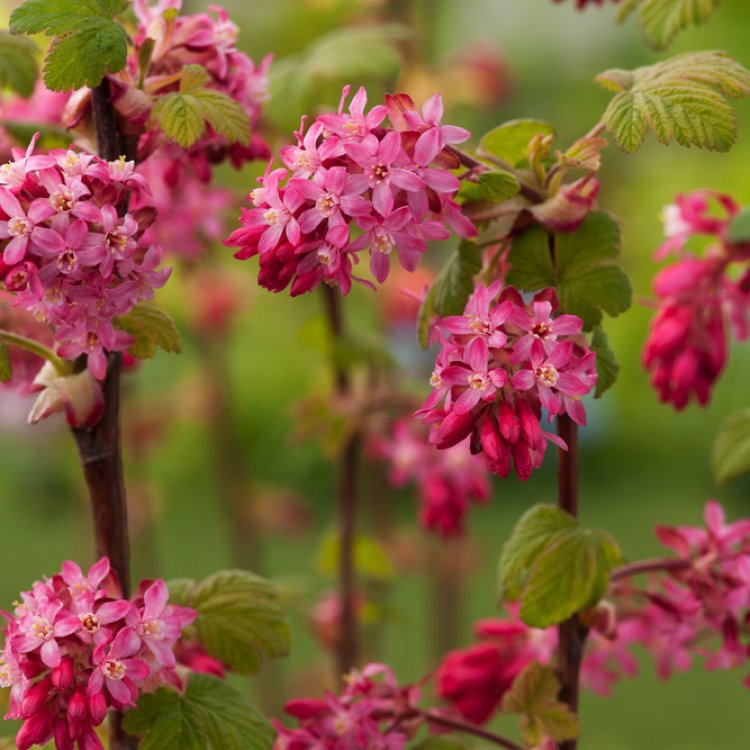
Ribes sanguineum ‘King Edward VII’ is a stunning deciduous shrub, bringing vibrant crimson-red flowers to UK gardens from March to May. This hardy flowering currant attracts early pollinators, offers superb visual interest, and thrives with ease, ideal for borders or as a specimen.
216 in stock
Discover the vibrant beauty of Ribes sanguineum ‘King Edward VII’, a stunning deciduous shrub that brings glorious colour to UK gardens each spring.
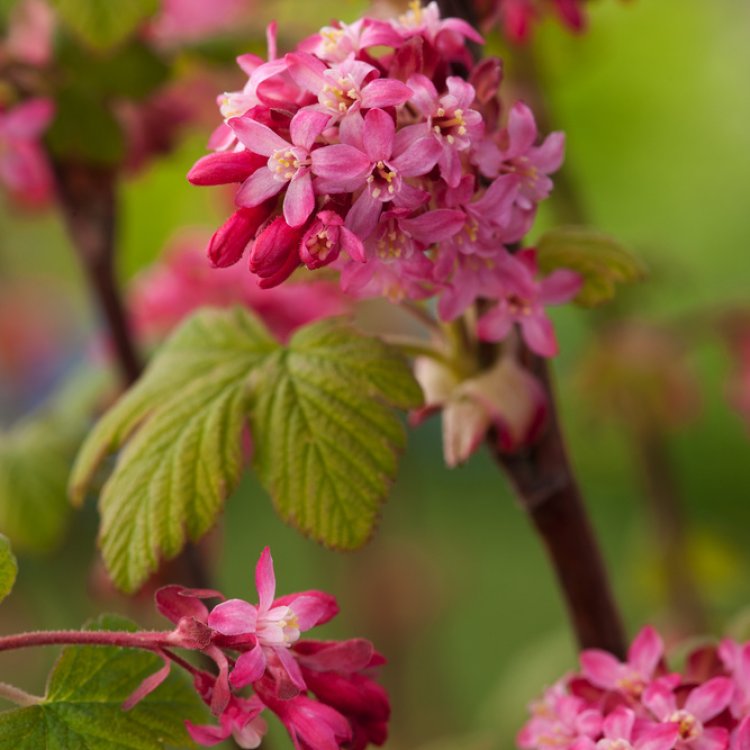
Ribes sanguineum ‘King Edward VII’ stands out as an outstanding early spring performer. Its profusion of deep crimson-red flowers creates an unforgettable spectacle. This truly brightens the garden after winter. This adaptable and easy-to-grow plant quickly establishes itself. It offers reliable displays. Gardeners often choose this cultivar for its striking colour and resilience, making it a valuable addition.
The name Ribes sanguineum ‘King Edward VII’ itself tells a story. “Ribes” comes from an Arabic word that referred to a rhubarb-like plant. Today, “Ribes” applies to currants and gooseberries. “Sanguineum” directly means blood-red, a clear nod to the plant’s characteristic flower colour.
Moreover, the ‘King Edward VII’ cultivar honours a British monarch. This reflects its regal look and popularity in the UK. This flowering currant variety is special for its rich, dark red blooms. Each flower grows in pendulous clusters. This creates a dramatic, waterfall-like effect along its branches.
Generally, Ribes sanguineum ‘King Edward VII’ bursts into flower from March to May. It often reaches its peak display in April. These abundant blooms emerge on bare stems or just as the fresh green foliage begins to unfurl. The flowers offer a significant source of nectar for early-waking bees and other beneficial insects.
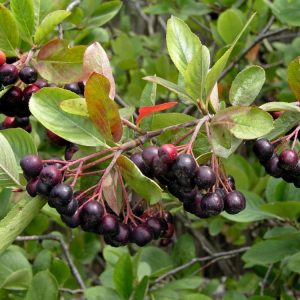
Later, the plant develops attractive, lobed, medium-green leaves. These leaves provide a pleasant backdrop throughout summer. Although it produces small, blue-black berries in autumn, these are generally inconspicuous. They do not typically form the main ornamental feature of the plant.
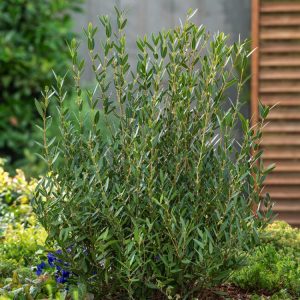
You can effectively use this vigorous shrub in various garden settings. It makes an excellent standalone specimen, drawing the eye with its early season brilliance. Alternatively, plant it to create a vibrant, informal hedge or integrate it into mixed shrub borders. Its dense growth provides good screening.
To maintain its vigour and encourage abundant flowering, prune Ribes sanguineum ‘King Edward VII’ immediately after its flowering period concludes. Remove any older, weaker, or crossing stems. This promotes healthy new growth for the following season’s display.
Very hardy. Tolerates temperatures typical of a continental winter.
Water newly planted Ribes sanguineum 'King Edward VII' regularly until established. Once mature, it tolerates drier conditions. Prune immediately after flowering by removing up to one-third of the oldest stems at the base to encourage new growth and maintain shape. Also remove any dead, damaged, or crossing branches. Apply a balanced general-purpose fertiliser in early spring.
This plant is deciduous so it will lose all of its leaves in the autumn and get fresh new foliage each spring.