£28.58 – £30.94Price range: £28.58 through £30.94
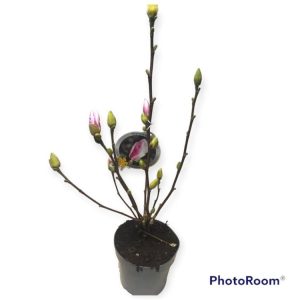
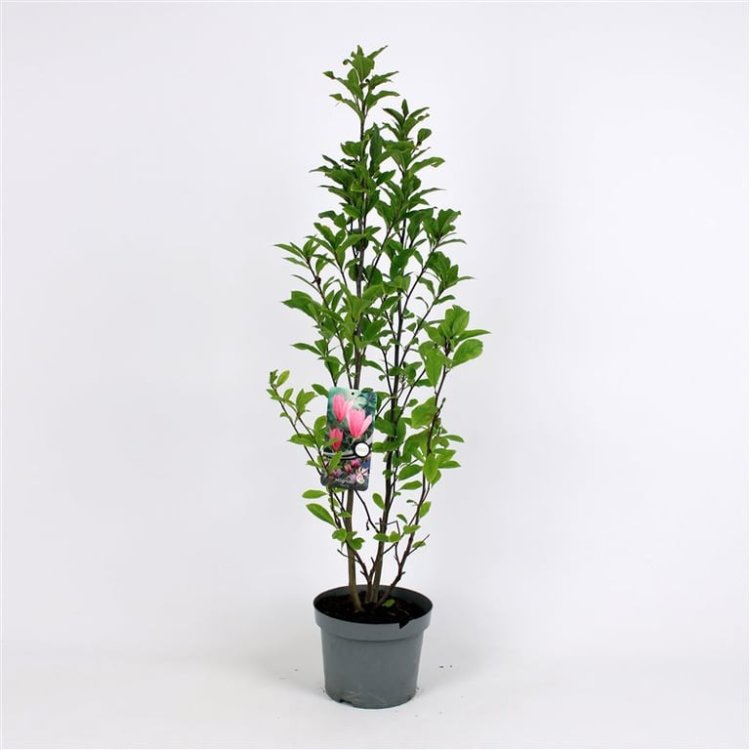
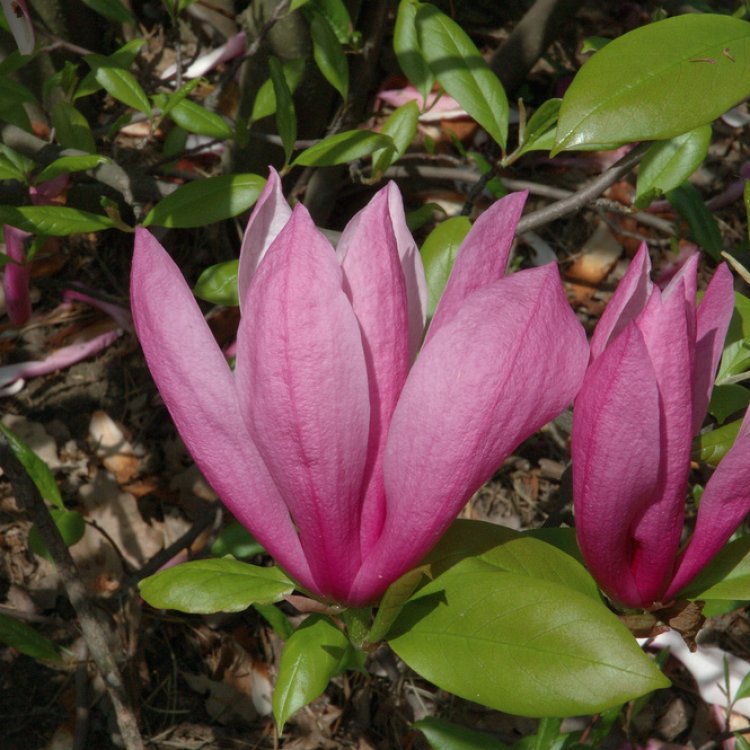
Magnolia ‘Betty’ offers spectacular goblet-shaped flowers in purplish-red and pink hues, blooming in late spring before its leaves emerge. This hardy, deciduous plant provides vital early nectar for bees and makes a stunning specimen for UK gardens.
81 in stock
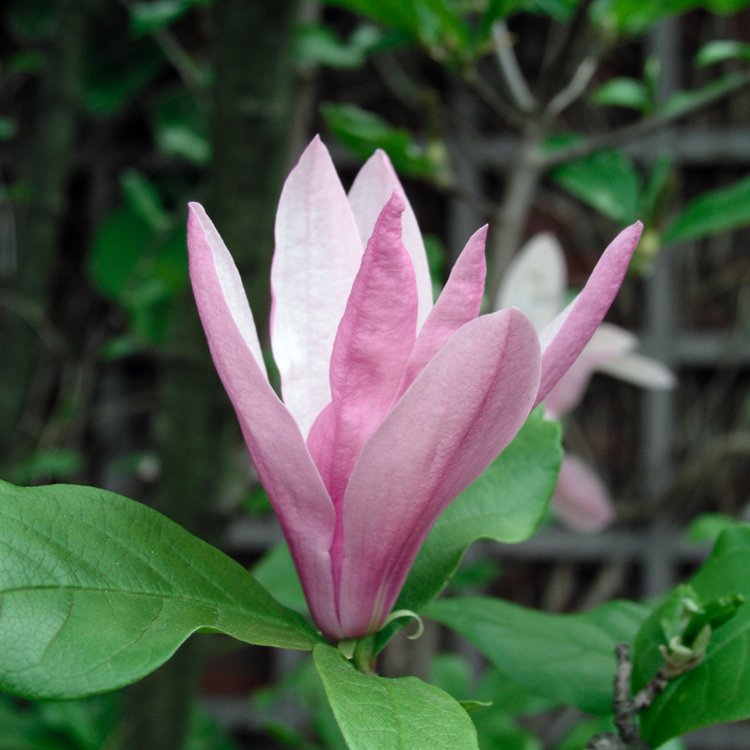
Magnolia ‘Betty’ offers a spectacular display of purplish-red and pink goblet-shaped flowers, heralding spring with elegance and charm in UK gardens.
Originating from the “Little Girl” series developed at the U.S. National Arboretum, Magnolia ‘Betty’ is a deciduous shrub or small tree, cherished for its beautiful, early-spring blooms. This hybrid, a cross between Magnolia liliiflora ‘Nigra’ and Magnolia stellata ‘Rosea’, was named for the daughter of a staff member involved in its creation. It brings a vibrant splash of colour to any garden space before its leaves emerge, offering a truly captivating start to the growing season.
Magnolia ‘Betty’ is a true garden highlight. It presents a remarkable spectacle each spring. Furthermore, its goblet-shaped flowers appear before the leaves. These blossoms are a deep purplish-red on the outside. Inside, they reveal a delicate pale pink or white. The plant often blooms from late April through May in UK gardens. Occasionally, it offers a lighter rebloom later in the season. These captivating flowers release a subtle fragrance, adding another layer of sensory delight. Moreover, its vibrant display brings essential early nectar to emerging bees and other pollinators. This makes it a valuable asset for local wildlife.
This plant is deciduous, meaning its leaves fall in autumn. Its mid-green foliage provides a lush backdrop throughout the summer months. As cooler weather arrives, the leaves transform. They adopt warm shades of yellow and bronze before dropping. This offers further seasonal interest. Magnolia ‘Betty’ typically grows as a multi-stemmed shrub. However, it can also be trained into a small, elegant tree. It maintains a relatively compact, upright form. This makes it suitable for various garden sizes, including smaller urban spaces. Furthermore, its graceful structure makes it an excellent choice for a focal point.
You can use Magnolia ‘Betty’ in many ways. It performs wonderfully as a stand-alone specimen plant. Position it where its spring display can be fully appreciated. Moreover, it integrates beautifully into mixed borders. Here, it adds vertical interest and seasonal colour. Consider planting it near a patio or seating area. This allows you to enjoy its delicate fragrance. Ensure it has shelter from strong, cold winds. These winds can damage its early blooms. Light pruning is occasionally beneficial. This helps to maintain its shape and remove any dead wood. Always prune after flowering to avoid cutting off next year’s blooms.
Very hardy. Tolerates temperatures typical of a continental winter.
Magnolia 'Betty' thrives in a sheltered spot, protected from strong, cold winds that can damage early blooms. It prefers moist, well-drained, fertile soil that is slightly acidic to neutral. Water regularly, especially during dry spells and in its first few years after planting. Apply a balanced, slow-release fertiliser in spring. Pruning is best done immediately after flowering to remove any dead, damaged, or crossing branches, and to maintain a desirable shape. Avoid heavy pruning. Mulch annually with organic matter to conserve moisture and suppress weeds.
This plant is deciduous so it will lose all of its leaves in the autumn and get fresh new foliage each spring.