£18.20 – £20.56Price range: £18.20 through £20.56
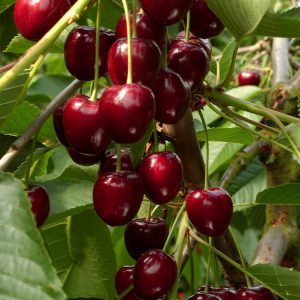
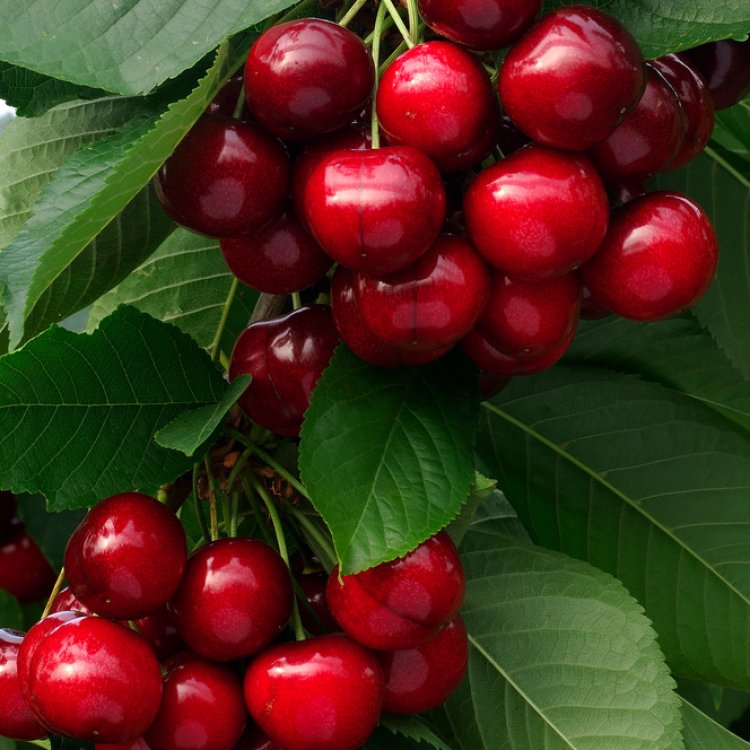
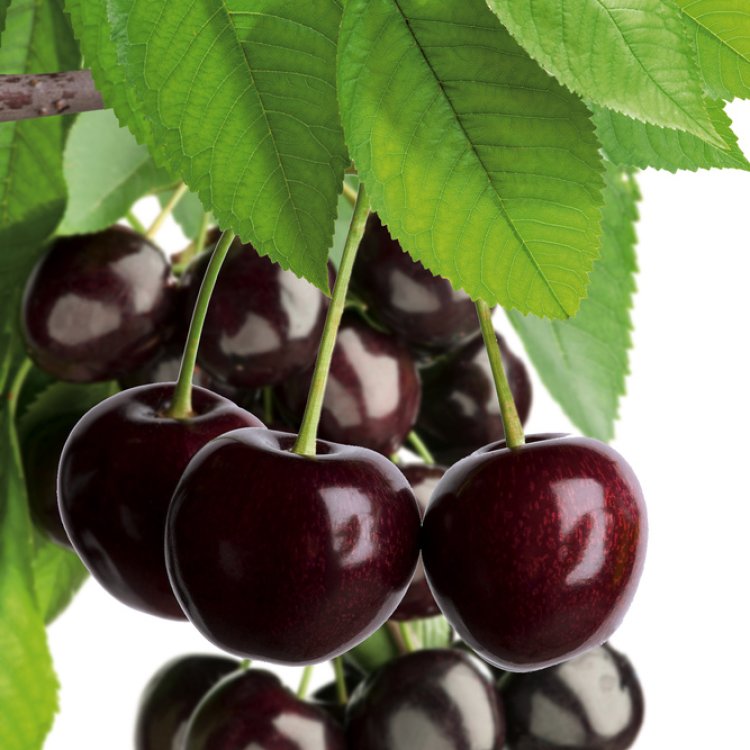
Prunus avium ‘Sunburst’ is a self-fertile sweet cherry tree, perfect for UK gardens. It delivers abundant crops of large, delicious dark red fruit in summer, preceded by beautiful white spring blossoms that attract pollinators.
500 in stock
Discover Prunus avium ‘Sunburst’, the highly acclaimed self-fertile sweet cherry tree, bringing abundant, delicious dark red fruit to your UK garden.
Prunus avium ‘Sunburst’ is a superb choice for UK gardeners. This popular cultivar offers the unique joy of homegrown cherries with outstanding reliability. It is celebrated for its impressive yields of large, flavourful fruit, making it a garden favourite. Importantly, its self-fertility means you only require a single tree for a bountiful harvest. Planted in your garden, it provides seasonal beauty and delicious produce.
The Prunus avium species is commonly known as the Wild Cherry or Sweet Cherry. Its ‘Sunburst’ cultivar stands out, originating from the Summerland Research Station in British Columbia, Canada. This specific cherry tree was developed to offer gardeners a truly rewarding experience. The name ‘Sunburst’ likely reflects the rich, deep red colour and succulent, bursting flavour of its fruits. It has quickly become a favourite due to its dependable nature and high-quality harvest.
Each spring, before the leaves fully emerge, the Prunus avium ‘Sunburst’ tree adorns itself with a generous display of pure white blossoms. These delicate flowers are a welcome sight, heralding the arrival of warmer weather. As a result, they also provide an essential food source for early-flying bees and other pollinators. Later, during July, the tree becomes laden with its crowning glory: substantial, heart-shaped cherries. These fruits boast a glossy, dark red to almost black skin and sweet, juicy flesh, ideal for eating fresh straight from the branch.
Beyond its delicious fruit, the Prunus avium ‘Sunburst’ offers significant ornamental value. Its vibrant green leaves provide a lush canopy through spring and summer. Subsequently, as autumn arrives, the foliage transitions beautifully, displaying shades of yellow and orange. This deciduous trait means it loses its leaves in winter, preparing for another cycle of growth. Furthermore, the blossoms provide nectar for bees, aiding garden biodiversity. Moreover, the ripe cherries are a tempting treat for various garden birds.
This Sweet Cherry makes an excellent specimen tree, standing proudly in a lawn or within an orchard setting. Its upright growth habit means it fits well into many garden sizes. You can also feature it in an edible garden or a mixed border for a dual-purpose appeal. To manage its shape and size effectively, light pruning is often carried out in summer, just after the fruit harvest. This practice helps maintain a healthy structure and encourages good fruit production.
Very hardy. Tolerates temperatures typical of a continental winter.
Water regularly, especially during dry spells and fruit development. Feed with a balanced fertiliser in early spring. Prune in summer after fruiting to maintain shape and vigour. Protect ripening fruit from birds using netting. Keep the area around the base of the tree clear of weeds to reduce competition for nutrients.
This plant is deciduous so it will lose all of its leaves in the autumn and get fresh new foliage each spring.