£18.20 – £20.56Price range: £18.20 through £20.56
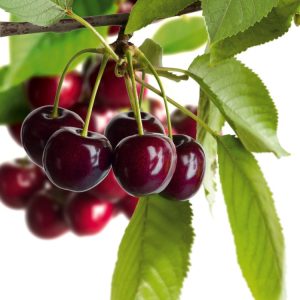
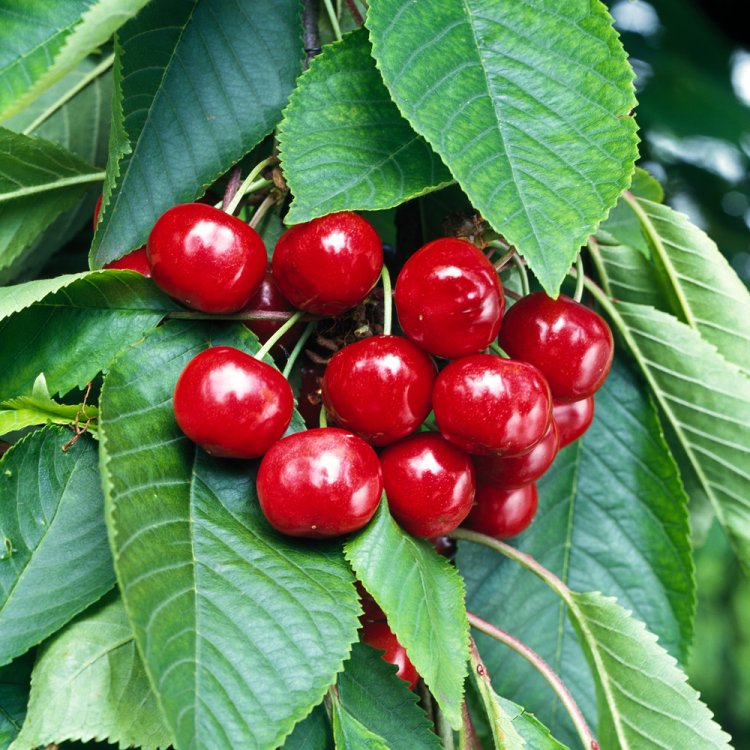
Prunus avium ‘Stella’ is a self-fertile sweet cherry tree, perfect for UK gardens. Enjoy abundant crops of large, dark red, delicious fruit and beautiful spring blossoms, even from a single tree.
495 in stock
Discover Prunus avium ‘Stella’, a cherished self-fertile sweet cherry tree, bringing abundant, delicious fruit and beauty to UK gardens.
Explore the delightful Prunus avium ‘Stella’, a true gem for any garden. This remarkable cherry tree offers prolific yields of large, dark red, exceptionally sweet cherries. Originally from Canada, ‘Stella’ was the first self-fertile sweet cherry cultivar. This makes it an excellent choice for smaller gardens. Its beautiful spring blossoms and vibrant autumn foliage add year-round appeal.
Prunus avium ‘Stella’ is a groundbreaking, self-fertile sweet cherry cultivar. It was developed in British Columbia, Canada, and introduced in 1968. As a cultivar of the wild cherry, Prunus avium, it belongs to the Rosaceae family. This tree thrives in UK gardens. Its key feature is self-fertility, meaning a single tree produces fruit without another pollinator. This solved a major challenge for many home growers.
Each spring, Prunus avium ‘Stella’ bursts into a spectacular display of pure white, five-petalled flowers. These blossoms densely cover its branches, creating an impressive visual. After flowering, the tree develops lush, vibrant green, oval-shaped foliage with serrated edges. As autumn arrives, these leaves transform into rich shades of fiery orange and deep red. This provides striking ornamental interest, extending the tree’s appeal.
This versatile, attractive tree makes an excellent addition to diverse garden designs. Plant it as a standalone specimen. Here, its seasonal charm, from spring blossoms to autumn colour, can be fully appreciated. Many gardeners incorporate this cherry into orchards or edible landscapes. It grows well in open lawns, providing valuable height and structure within mixed borders.
Pruning Prunus avium ‘Stella’ is generally manageable. Young trees benefit from formative pruning to establish a robust framework. For mature trees, light maintenance pruning removes dead, damaged, or crossing branches. An open canopy encourages better air circulation and allows more sunlight to developing fruit. For tree health, prune in summer. This significantly reduces silver leaf disease risk.
The early spring blossoms of Prunus avium ‘Stella’ offer crucial nectar for pollinators. Bees, hoverflies, and other beneficial insects visit frequently. Their activity is vital for successful pollination and cherry development. Later in summer, ripening fruits attract various garden birds. Planting this tree actively contributes to your garden’s biodiversity, creating a lively habitat.
Very hardy. Tolerates temperatures typical of a continental winter.
Water regularly during dry periods, especially when the tree is establishing. Feed with a general-purpose fertiliser in early spring. Prune in summer to maintain shape and remove any dead, damaged, or crossing branches. Netting may be required to protect ripening fruit from birds.
This plant is deciduous so it will lose all of its leaves in the autumn and get fresh new foliage each spring.