£7.42 – £9.77Price range: £7.42 through £9.77
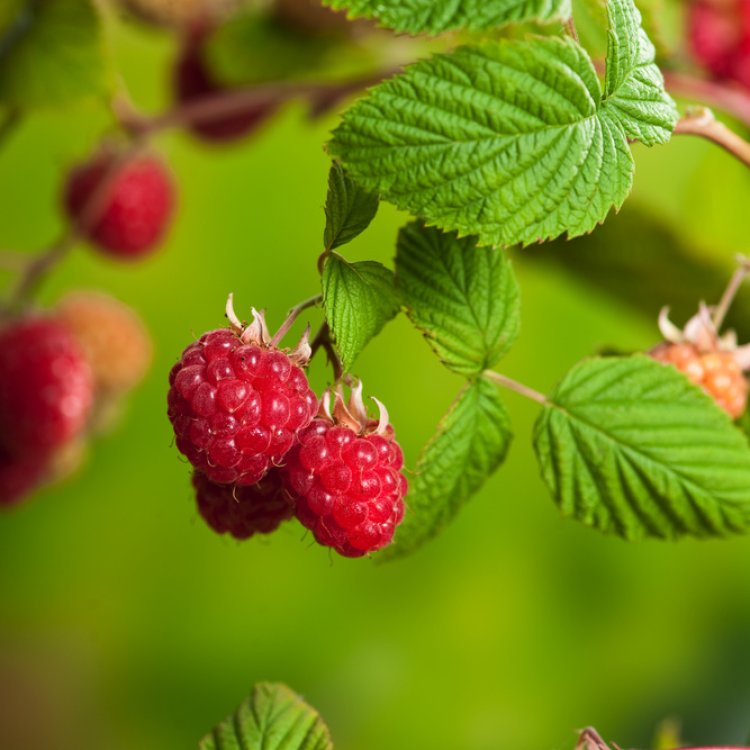
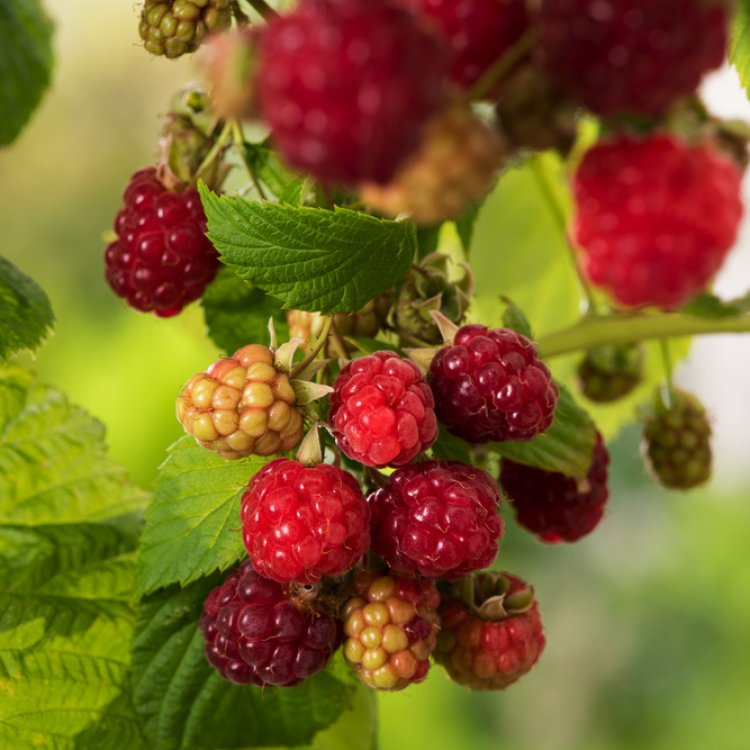
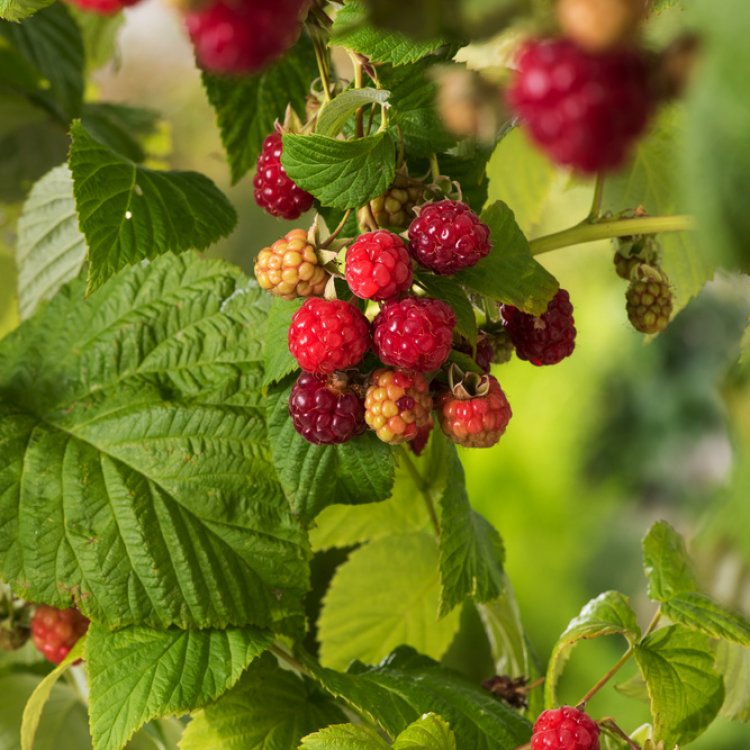
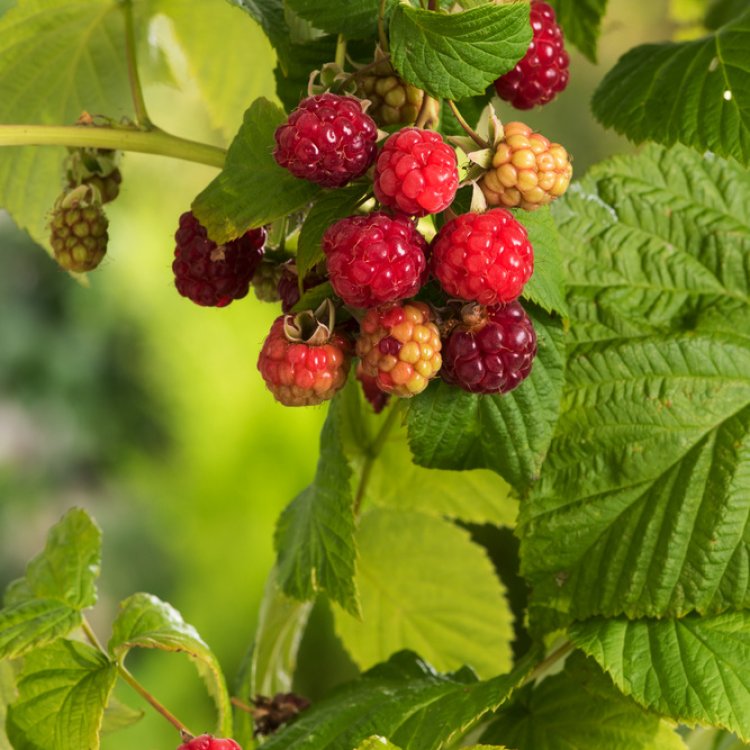
Grow Rubus idaeus ‘Glen Ample’ for abundant harvests of large, sweet, and firm red raspberries. This virtually thornless, disease-resistant cultivar is perfect for delicious summer fruits, offering a reliable yield in any UK garden.
999 in stock
Discover Rubus idaeus ‘Glen Ample’, a superb summer-fruiting raspberry cultivar, famed for its exceptionally large, sweet, and firm berries, perfect for UK gardens.
Rubus idaeus ‘Glen Ample’ stands out as a top choice among raspberry varieties. This esteemed cultivar offers bountiful harvests of delicious fruit, making it a garden favourite. Its reliable performance ensures a generous yield each summer. Consequently, many gardeners value its robust nature and the quality of its berries. Originating from Scotland, ‘Glen Ample’ was bred for commercial growers, yet it thrives equally well in a home garden setting. Furthermore, this plant adds both beauty and productivity to any outdoor space.
The name Rubus idaeus refers to the raspberry’s genus and species. “Rubus” is Latin for bramble, and “idaeus” relates to Mount Ida in Turkey, where raspberries were first discovered. ‘Glen Ample’ is a specific cultivar, developed at the Scottish Crop Research Institute (now the James Hutton Institute). The ‘Glen’ series of raspberries are renowned for their quality and performance.
In late spring, Rubus idaeus ‘Glen Ample’ produces small, white, cup-shaped flowers. These blossoms appear on the previous year’s canes. Bees and other insects readily visit these flowers, aiding pollination. Following this, the green foliage is typical of raspberries, comprising compound leaves with serrated edges. The leaves provide an attractive backdrop for the developing fruit.
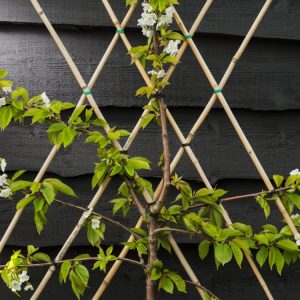
This raspberry variety excels in various garden roles. You can grow it in dedicated fruit cages or along sunny borders. It also suits informal hedgerows, creating a productive screen. Furthermore, ‘Glen Ample’ performs well in large containers, although it needs good support. Gardeners often train the canes along wires or trellises to manage growth. This method ensures better air circulation and sunlight exposure for the fruit.
Proper pruning is crucial for Rubus idaeus ‘Glen Ample’. As a summer-fruiting (floricane) raspberry, it fruits on canes grown in the previous year. After the harvest finishes, usually in late summer or autumn, cut these spent canes right down to ground level. Leave the new, green canes to grow; these will bear fruit next year. This practice maintains plant vigour and maximises future yields.
This plant is very beneficial for local wildlife. Its spring flowers provide an important nectar source for bees and butterflies. These pollinators are essential for fruit development. Moreover, birds enjoy the ripe raspberries, though you might need netting to protect your harvest. Growing Rubus idaeus ‘Glen Ample’ thus supports a healthy garden ecosystem.
Very hardy. Tolerates temperatures typical of a continental winter.
As a summer-fruiting (floricane) raspberry, 'Glen Ample' bears fruit on canes grown in the previous year. Immediately after harvesting in late summer or early autumn, cut these fruited canes down to ground level. Identify the new, green canes that have grown this season; these will produce fruit next year. Tie these new canes into your support system.
Rubus idaeus 'Glen Ample' requires a robust support system to manage its vigorous growth and ensure good air circulation and light penetration for fruit development. Install wires stretched between sturdy posts, or use a trellis, to train the canes as they grow.
Maintain consistent moisture, especially during dry periods and throughout the fruiting season. Regular watering helps to swell the berries and prevent stress on the plants. Avoid waterlogging, as raspberries dislike excessively wet roots.
In early spring, apply a balanced granular fertiliser or a generous layer of well-rotted compost around the base of your raspberry plants. This provides essential nutrients to support strong growth and maximise fruit production.
Keep the area around your raspberry plants free from weeds. Weeds compete for water and nutrients, which can reduce your raspberry harvest. Mulching around the base can help suppress weeds and retain soil moisture.
Monitor your plants for common pests such as raspberry beetle and birds. Netting can be effective in protecting ripening fruit from birds. Ensure good air circulation to minimise fungal diseases like grey mould, and promptly remove any affected plant parts.
This plant is deciduous so it will lose all of its leaves in the autumn and get fresh new foliage each spring.