£5.00 – £7.36Price range: £5.00 through £7.36
Penstemon digitalis ‘Husker Red’ boasts striking deep purple foliage and elegant white-pink flowers from June to August. This hardy, low-maintenance perennial provides dramatic contrast and attracts pollinators, perfect for any UK garden border.
443 in stock
Discover Penstemon digitalis ‘Husker Red’, a striking perennial offering deep purple foliage and delicate white-pink flowers, perfect for adding drama.
Penstemon digitalis ‘Husker Red’ is a truly captivating plant, renowned for its dramatic foliage and elegant blooms. This herbaceous perennial brings unique charm to any garden. Many gardeners appreciate its robust nature and ease of cultivation. Indeed, it makes a superb choice for various planting schemes. Originally found in North America, this specific cultivar offers exceptional ornamental value. Thus, it thrives in UK gardens, adding both structure and colour.
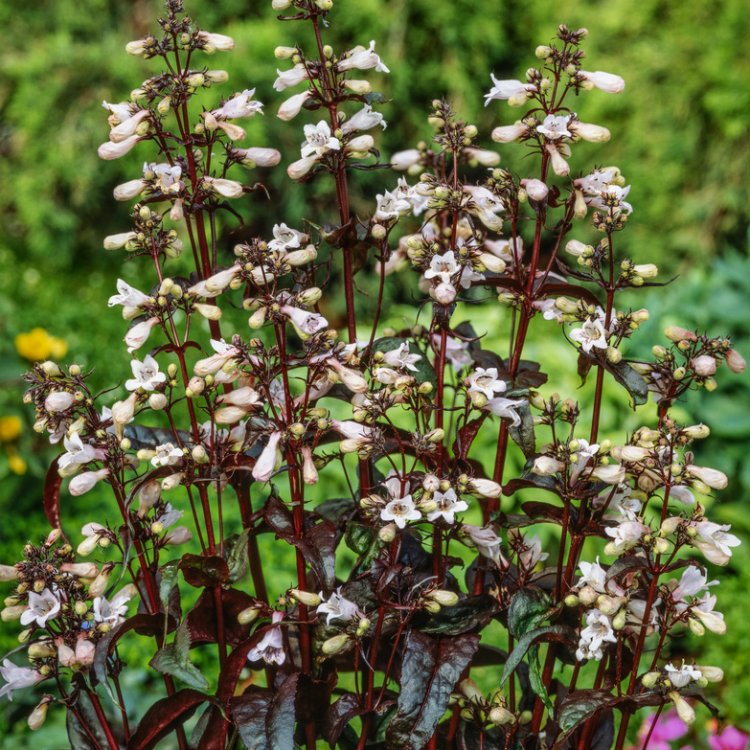
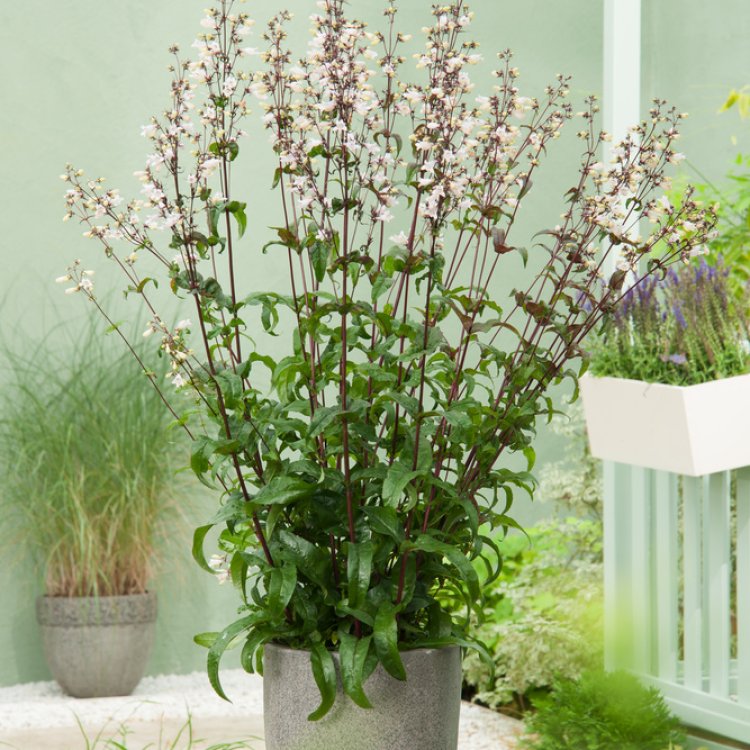
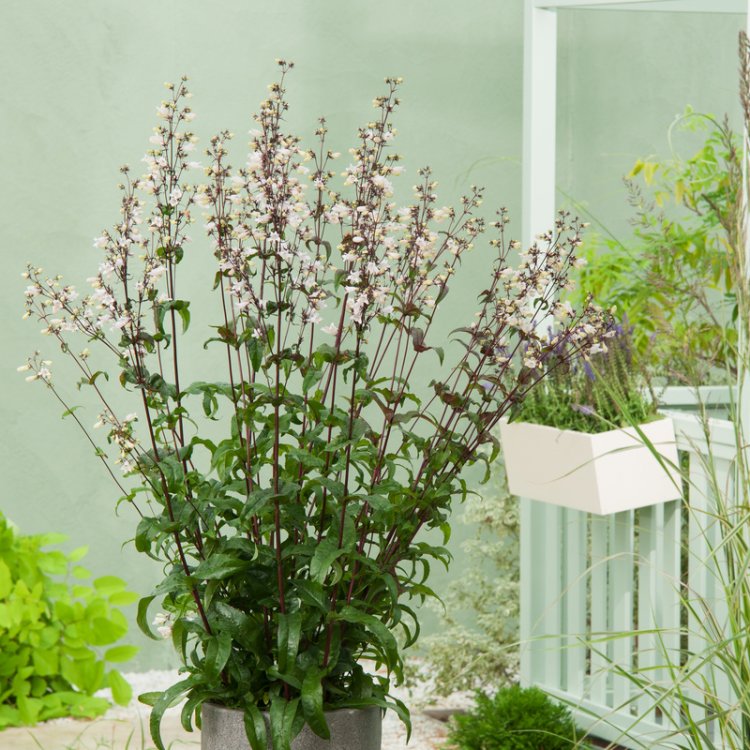
Penstemon digitalis ‘Husker Red’ stands out with its rich, deep purple-red foliage. These lance-shaped leaves create a powerful contrast in borders. The plant’s architectural form adds vertical interest. Its strong stems carry the leaves gracefully. This distinctive colour remains vibrant throughout the growing season. Consequently, it offers visual appeal even before flowering begins.
The name ‘Penstemon’ comes from Greek words meaning ‘five stamens’. This refers to the plant’s unique floral structure. The specific epithet ‘digitalis’ means ‘finger-like’, describing the flower’s tubular shape. Meanwhile, ‘Husker Red’ honours the Nebraska Cornhuskers football team. This plant originated at the University of Nebraska. Therefore, its name beautifully combines botanical and cultural history.
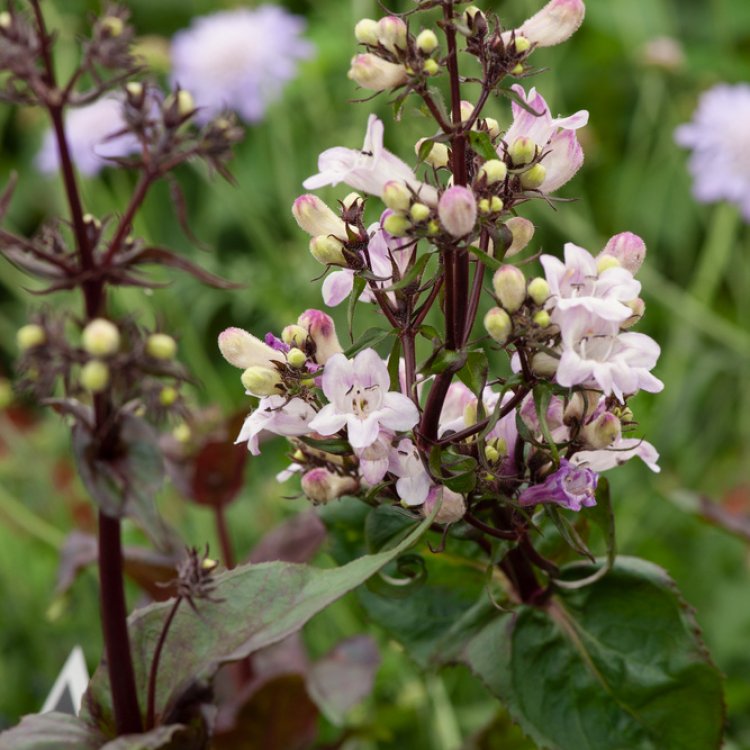
Graceful flower spikes emerge from late spring. They bloom into mid-summer, typically from June to August. Each spike bears numerous bell-shaped flowers. These delicate blossoms are generally white or pale pink. Often, they feature subtle purple veining inside. This intricate detail adds to their charm. Consequently, they create a soft, airy display above the dark foliage.
Furthermore, these flowers strongly attract local wildlife. Bees and butterflies eagerly visit them for nectar. Penstemon digitalis ‘Husker Red’ thus becomes a valuable addition for ecological gardening. It supports vital pollinator populations directly.
This adaptable perennial offers numerous possibilities for UK gardens. Gardeners often use it in mixed borders, cottage garden schemes, or even rockeries. Its upright habit provides structure. The dark foliage creates excellent contrast. It pairs beautifully with lighter green or variegated plants. You can also incorporate it into naturalistic plantings, adding untamed elegance.
Pruning is simple. Deadhead spent flower spikes to encourage repeat blooming. After the main flowering season, cut back hard to maintain vigour. This practice helps ensure healthy growth next spring.
Hardy in all of the UK and northern Europe. Suitable for exposed sites.
Water moderately, especially during dry spells, allowing the soil to dry slightly between waterings. Deadhead spent flower spikes to encourage further blooming. In autumn, cut back old stems to ground level to tidy the plant and promote vigorous new growth in spring. Ensure well-drained soil to prevent root rot.