£71.26 – £73.62Price range: £71.26 through £73.62
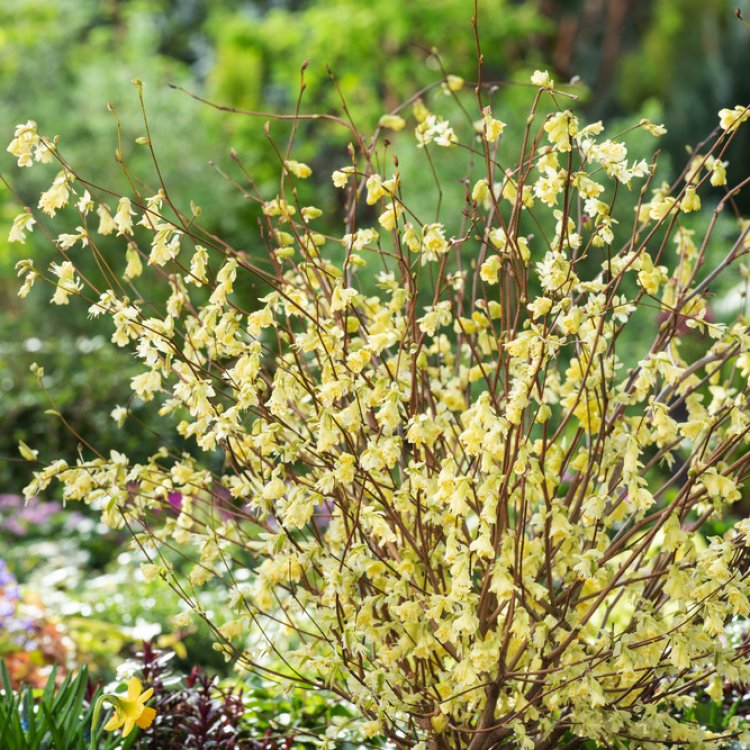
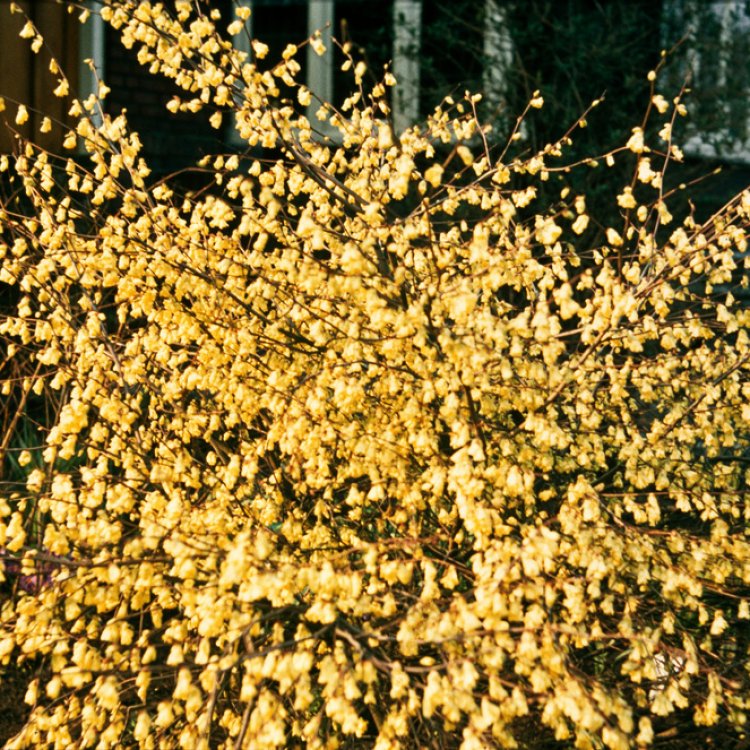
Corylopsis pauciflora, the Buttercup Winter Hazel, offers delicate, fragrant, pale yellow bell flowers in late winter. Its hazel-like leaves turn golden in autumn. A compact, low-maintenance shrub perfect for early spring charm and vital early bee food.
106 in stock
Discover Corylopsis pauciflora, the charming Buttercup Winter Hazel, a deciduous shrub that heralds spring with its delicate, fragrant, pale yellow flowers.
This beautiful plant offers a captivating display when the garden is still dormant. Its pendulous blooms appear on bare branches, bringing warmth and sweet perfume to the late winter garden. Often called the Fragrant Winter Hazel, Corylopsis pauciflora then develops attractive hazel-like foliage, transforming into a delightful soft yellow for autumn interest. It offers captivating four-season appeal.
Originating from Japan and Taiwan, Corylopsis pauciflora has a fascinating name. The genus ‘Corylopsis’ derives from Greek ‘korylos’ (hazel) and ‘opsis’ (likeness), describing its hazel-like, veined, oval leaves. ‘Pauciflora’ comes from Latin ‘paucus’ (few) and ‘florus’ (flower), referring to its delicate, few-flowered racemes.
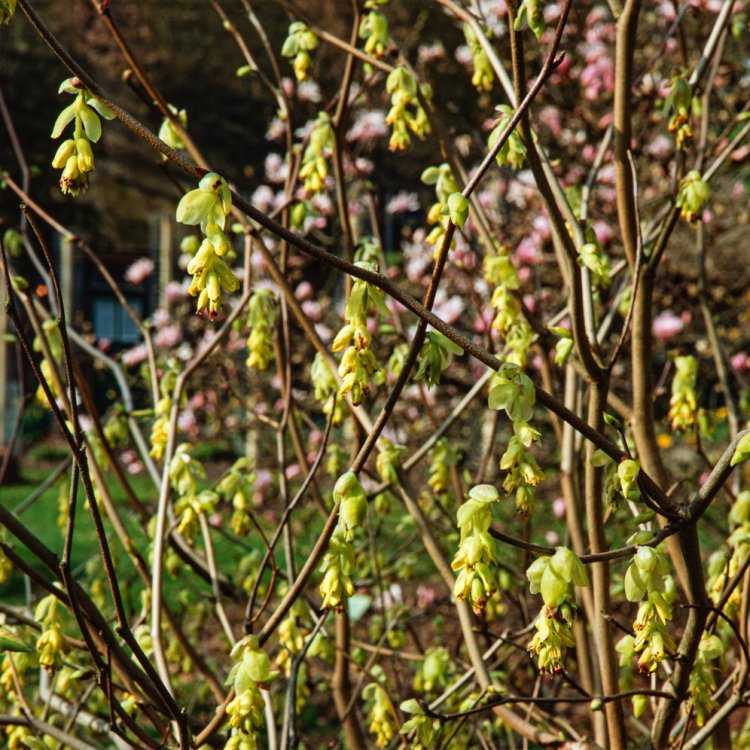
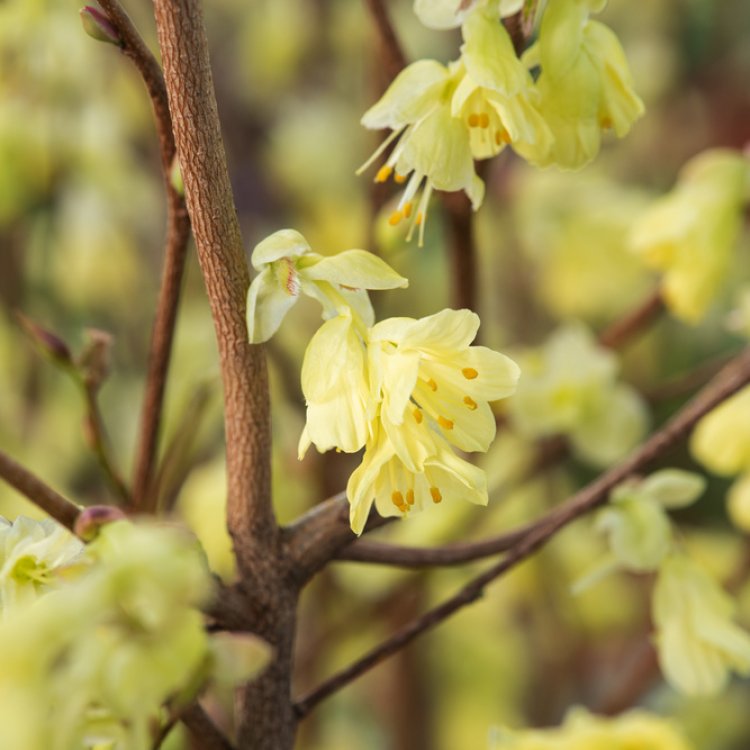
As winter begins to fade, usually from late February through March, Corylopsis pauciflora bursts into life. It produces charming, pale primrose-yellow flowers that are distinctly bell-shaped. These precious blooms hang in short, pendulous clusters along its otherwise bare branches. Their subtle, sweet fragrance perfumes the cool spring air. This makes it a true sensory delight.
After this early floral show, fresh green, corrugated leaves emerge. These provide a lush backdrop throughout summer. Subsequently, the leaves create a final flourish, adopting splendid golden-yellow hues. They fall in autumn, extending the plant’s decorative value.
The compact, graceful habit of Corylopsis pauciflora makes it an excellent choice for various garden designs. It performs beautifully at the edge of a woodland border or in a sheltered shrubbery. Here, its early flowers are truly appreciated. Alternatively, plant it as a stand-alone specimen in a smaller garden or even a large patio container.
This allows its delicate beauty and fragrance to be enjoyed up close. Furthermore, its early flowering period provides crucial food for early emerging pollinators, such as various species of bees. This contributes positively to garden biodiversity.
This delightful shrub requires minimal pruning. Any necessary shaping or removal of dead or crossing branches should occur immediately after its flowering period. This ensures the plant maintains its elegant form and healthy growth. Ultimately, Corylopsis pauciflora is a treasured addition, bringing delicate beauty and early season interest to any discerning UK garden.
Hardy in all of the UK and northern Europe. Suitable for exposed sites.
Keep the soil consistently moist, especially during dry spells, but ensure good drainage. Apply a balanced, general-purpose fertiliser in early spring to support healthy growth and flowering. Prune lightly immediately after flowering to remove any dead, damaged, or crossing branches, and to maintain a desirable shape. Protect young plants from severe late frosts. Apply a layer of organic mulch around the base in spring or autumn to help retain soil moisture, regulate soil temperature, and suppress weeds.
This plant is deciduous so it will lose all of its leaves in the autumn and get fresh new foliage each spring.