£4.59 – £6.95Price range: £4.59 through £6.95
Discover Melissa officinalis, or Lemon Balm, a wonderfully fragrant herb for UK gardens. It effortlessly attracts bees with its lemon-scented foliage and offers easy-care appeal, bringing both beauty and wildlife to your outdoor space.
62 in stock
Discover Melissa officinalis, commonly known as Lemon Balm, a cherished herbaceous perennial offering delightful fragrance and numerous benefits for your UK garden.
Step into a world of refreshing citrus with Lemon Balm. This aromatic herb is a true garden delight. Its invigorating scent enriches any space, making it a favourite among gardeners. Furthermore, Melissa officinalis acts as a beacon for beneficial insects, particularly bees. Historically, people have valued this plant for centuries, recognising its versatile properties. Cultivating it brings both beauty and utility to your outdoor haven.
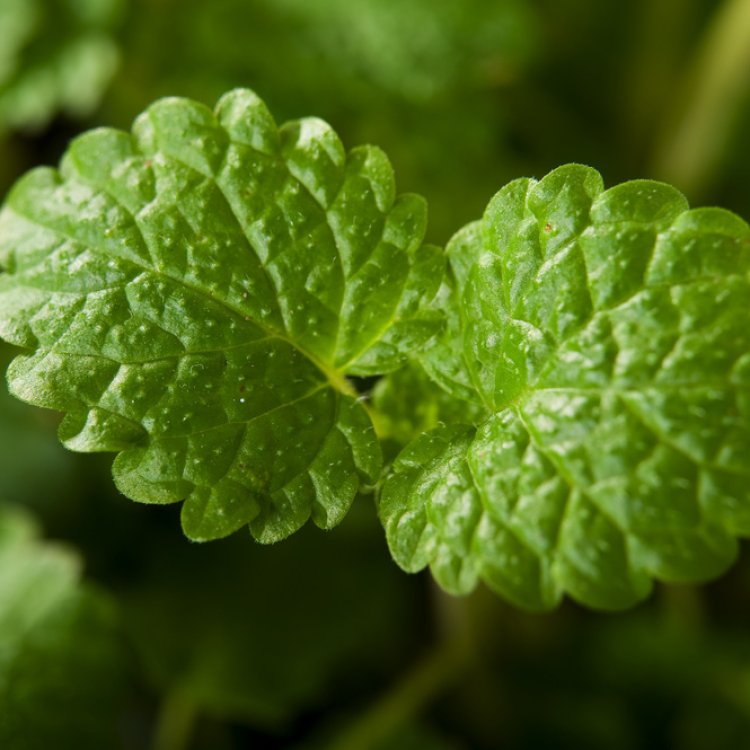
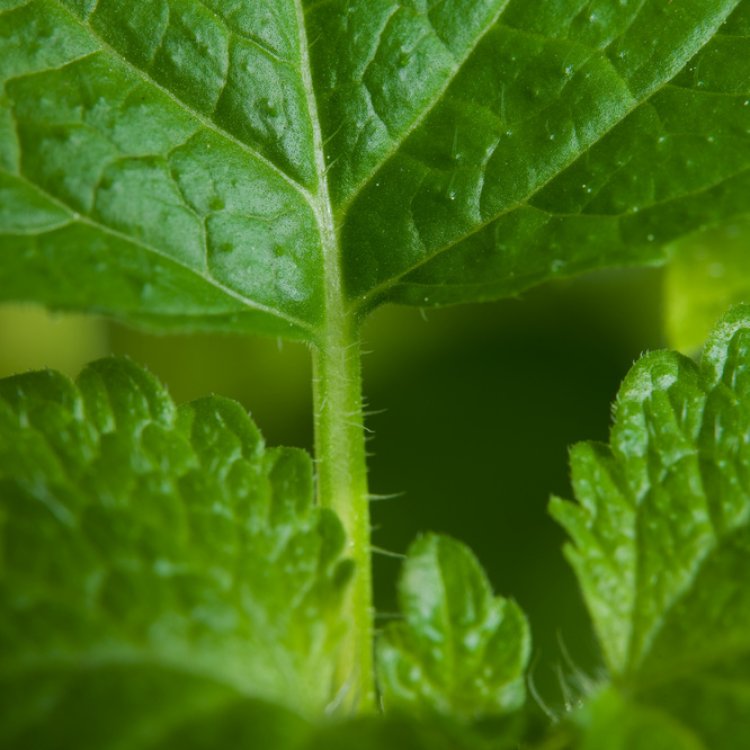
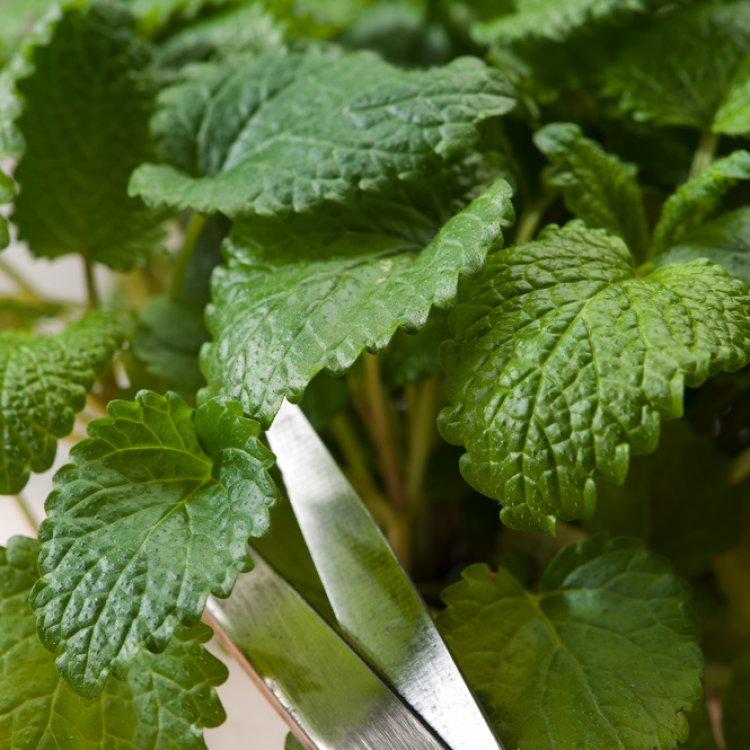
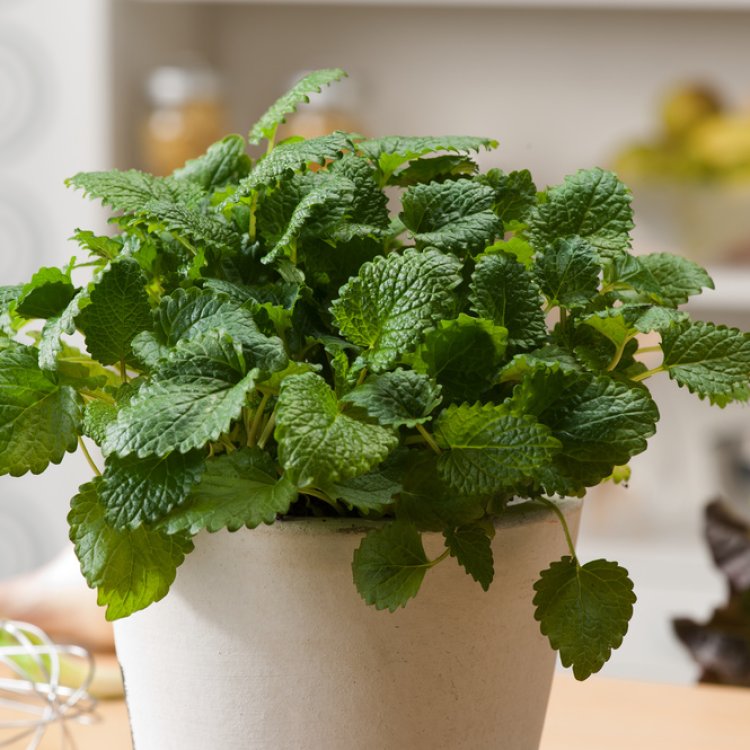
Melissa officinalis, known universally as Lemon Balm, is a beloved member of the mint family, Lamiaceae. This herbaceous perennial originates from Southern Europe, North Africa, and Western Asia. Gardeners widely appreciate its bushy, upright habit, which adds structure and beauty. The plant features distinctive, ovate leaves with a crinkled texture and serrated edges. These leaves release a strong, uplifting lemon fragrance when brushed. This delightful aroma makes Lemon Balm a sensory pleasure.
The name ‘Melissa’ derives from the Greek for ‘honey bee’, a clear nod to its magnetic appeal for these vital pollinators. ‘Officinalis’ means ‘of the officina’, signifying its long history of medicinal use.
While its primary appeal lies in its fragrant foliage, Melissa officinalis also produces small, unassuming flowers. These delicate blooms appear during summer, typically from June through to August. They are often white, or sometimes a pale pinkish-purple, clustering in leaf axils. Although subtle, these flowers are incredibly valuable. They provide a rich source of nectar for bees and other pollinating insects. Moreover, bright green leaves remain a garden highlight throughout the growing season. Their fresh appearance and delightful scent contribute significantly.
Melissa officinalis adapts wonderfully to various garden designs. Plant it in herb gardens, where its scent complements other culinary herbs. It also fits perfectly into informal cottage garden schemes. Many gardeners use Lemon Balm to edge borders. Furthermore, it performs well in containers, helping manage its enthusiastic spreading habit. Its robust nature makes it a reliable choice.
Crucially, this plant stands out as an outstanding choice for wildlife gardens. Bees, especially, adore its nectar-rich flowers. Butterflies and other beneficial insects also visit Lemon Balm frequently. Consequently, planting it supports local ecosystems, boosting biodiversity.
Lemon Balm generally requires minimal fuss. However, simple pruning helps maintain vigour and prevents unwanted spread. After the main flowering period, cut back faded flower stems. This action prevents the plant from self-seeding excessively.
You can also cut the entire plant back hard in late autumn. This practice encourages fresh, healthy growth in spring. Regular trimming throughout the season will help keep the plant bushy and produce a continuous supply of aromatic leaves. Melissa officinalis is a rewarding plant, providing beauty, scent, and ecological benefits with little effort.
Hardy in all of the UK and northern Europe. Suitable for exposed sites.
Water Melissa officinalis regularly until established, then it is relatively drought-tolerant. Plant in well-drained soil; it tolerates a range of soil types. To prevent excessive self-seeding and encourage fresh growth, deadhead spent flowers or cut back the entire plant after its main flowering period. For vigorous growth, you can cut it back hard in late autumn. If spread is a concern, consider planting it in a container or using a root barrier.