£4.84 – £7.20Price range: £4.84 through £7.20
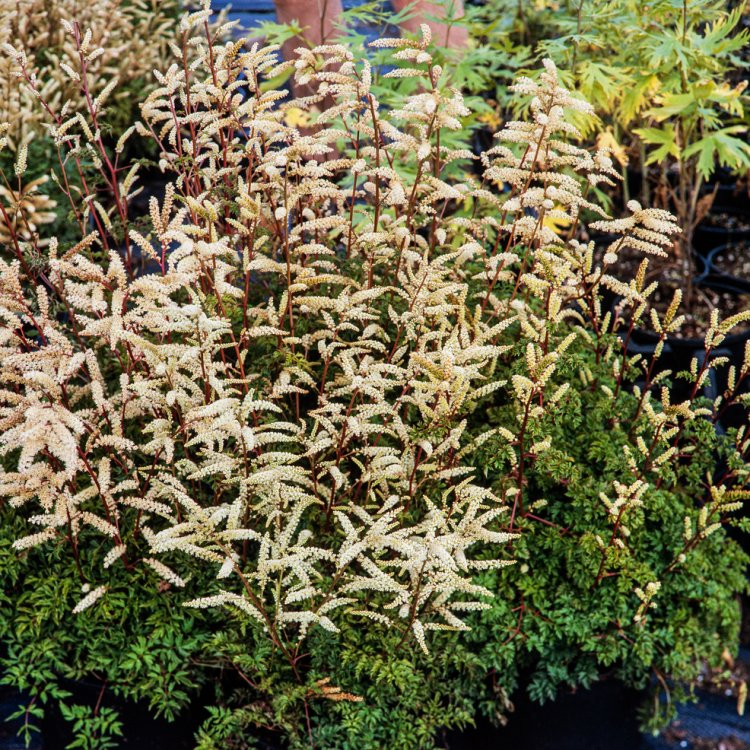
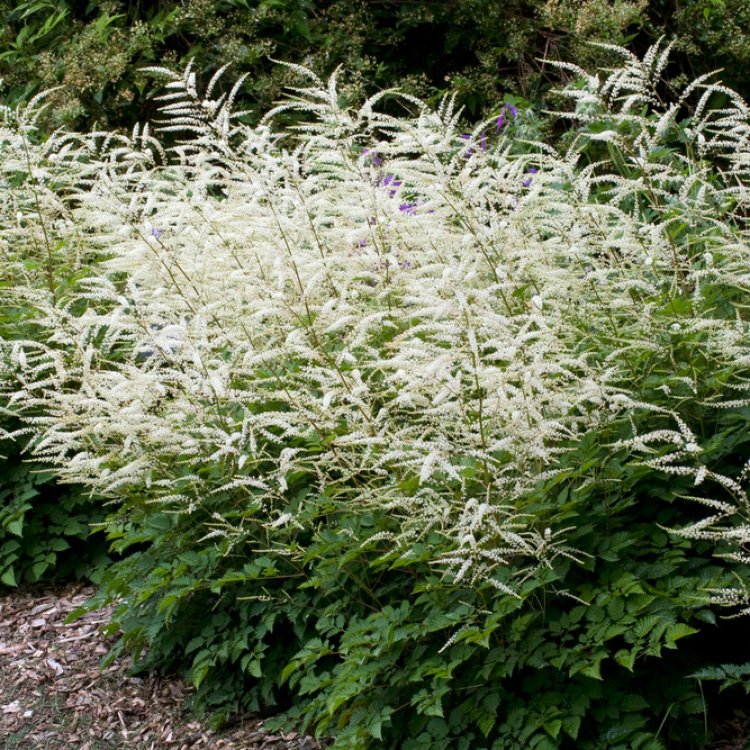
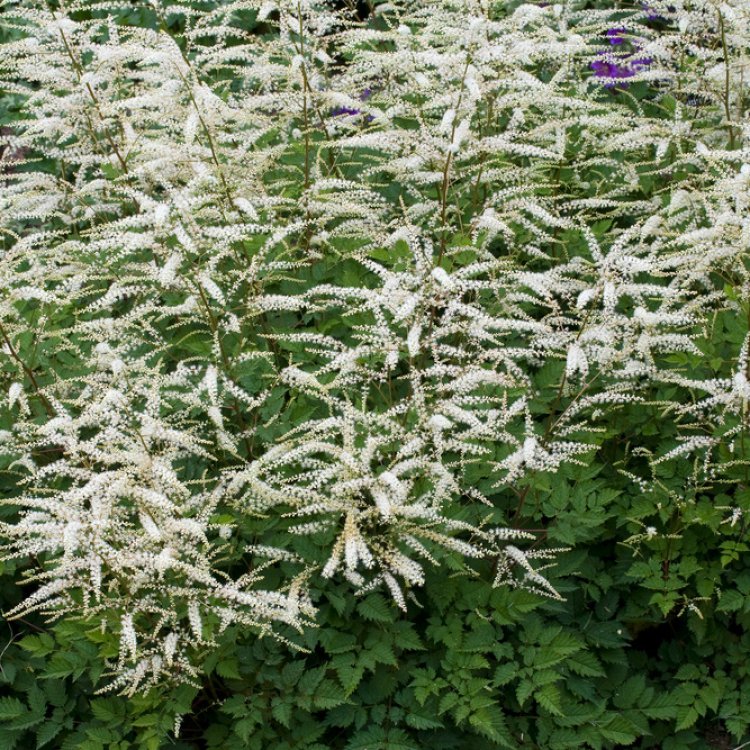
Aruncus aethusifolius, or Dwarf Goatsbeard, is a charming, compact perennial. It offers delicate fern-like foliage and airy creamy white flowers in summer. Perfect for borders, rockeries, and attracting pollinators to UK gardens.
500 in stock
Introduce Aruncus aethusifolius, a charming perennial offering delicate fern-like foliage and feathery white blooms, perfect for enhancing UK garden borders and rockeries.
Bring a touch of elegant simplicity to your garden with this delightful plant. Aruncus aethusifolius, also known as Dwarf Goatsbeard or Korean Goatsbeard, is a compact and highly attractive perennial. It flourishes with minimal fuss, making it a superb choice for both novice and experienced gardeners. This plant’s graceful form and lovely texture will undoubtedly elevate any planting scheme, providing visual interest across several seasons. Its modest size allows for versatile placement within your outdoor space.
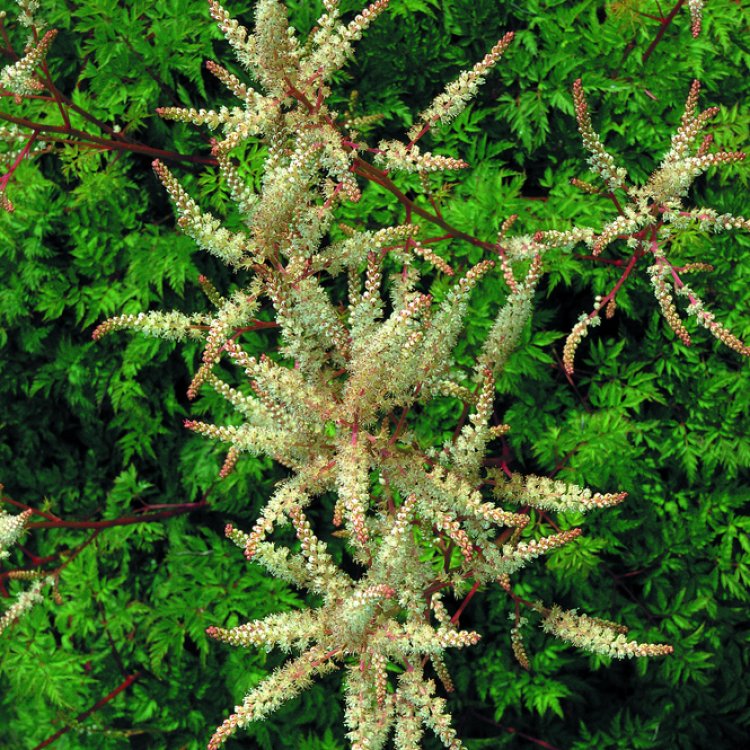
The name Aruncus originates from the Greek word ‘arungos’, which thoughtfully translates to ‘goat’s beard’, perfectly describing the plant’s fluffy, plume-like flowers. Furthermore, the species epithet ‘aethusifolius’ points to its finely divided, fern-like leaves, drawing a comparison to the plant Aethusa cynapium, also known as Fool’s Parsley. This particular species, Aruncus aethusifolius, hails from the woodland areas of Korea and China.
Aruncus aethusifolius delivers enduring beauty. Its deeply cut, dark green leaves emerge in spring, forming an attractive, mounding habit. The fern-like texture remains a key feature throughout the growing season. As summer arrives, typically from June to July, delicate creamy white flowers rise above the foliage. These airy plumes create a soft, cloud-like effect in the garden. Consequently, they add gentle movement and brightness to shadier spots. Later in the year, the foliage frequently transitions to warm shades of orange and red, thus providing splendid autumn interest.
This versatile perennial fits perfectly into various garden settings. Plant Aruncus aethusifolius at the front of shaded borders, where its texture contrasts beautifully with broader-leaved plants. It also excels in rock gardens, woodland edges, or even containers. Its compact nature makes it an excellent choice for smaller gardens. Moreover, its flowers provide a vital nectar source for beneficial insects. Bees and butterflies are notably drawn to its summer blooms. Therefore, planting this species helps support local wildlife populations. Generally, Aruncus aethusifolius requires little pruning. Simply deadhead spent flowers for a tidier appearance, or allow them to remain for winter interest. Cut back old foliage in late autumn or early spring to make way for new growth.
Very hardy. Tolerates temperatures typical of a continental winter.
Keep the soil consistently moist, especially during dry spells. Apply a layer of mulch in spring to help retain soil moisture and suppress weeds. Deadhead spent flowers for a tidier appearance or leave them for winter interest. Cut back the old foliage in late autumn or early spring before new growth begins. Divide overcrowded clumps every few years in spring or autumn to maintain plant vigour.