£22.81 – £25.16Price range: £22.81 through £25.16
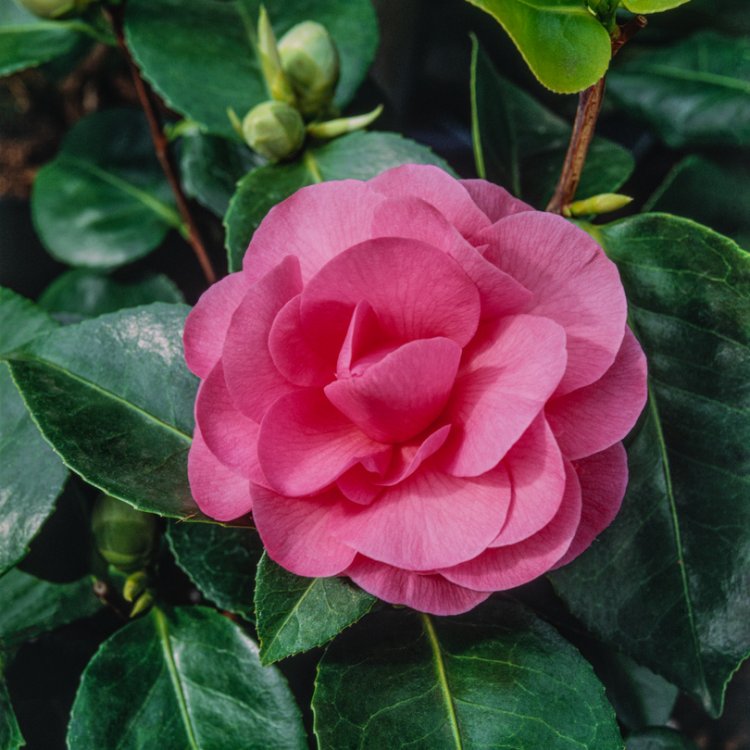
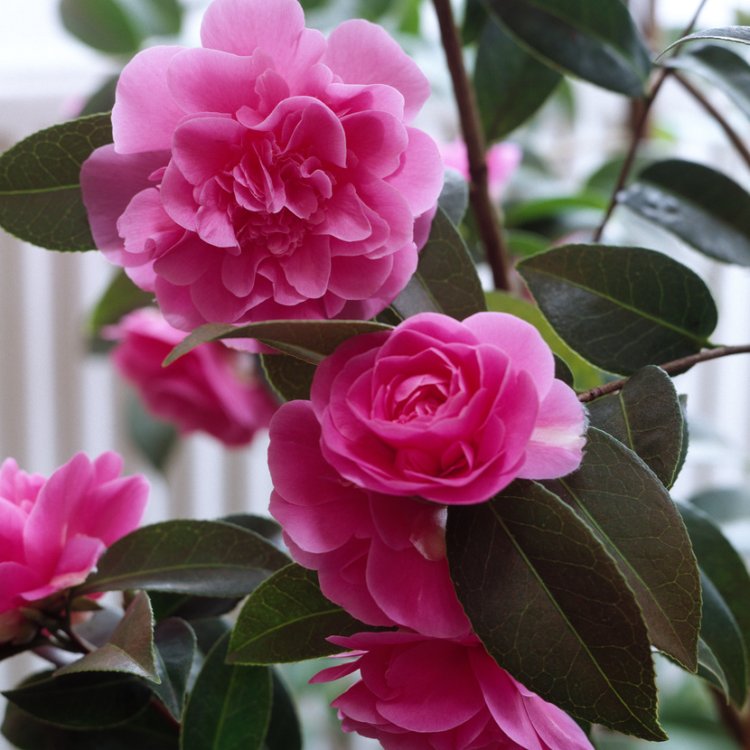
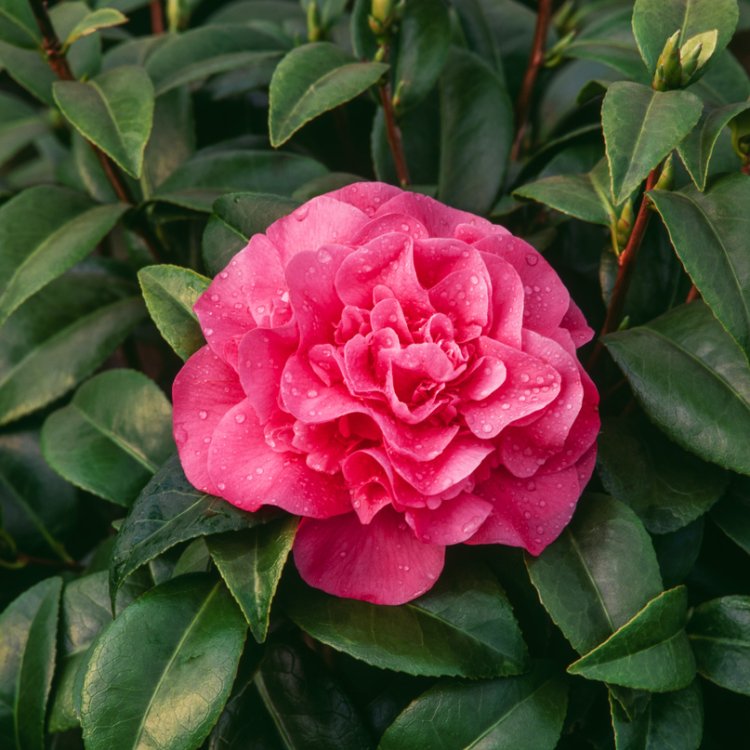
Camellia williamsii ‘Debbie’ offers stunning deep rose-pink, semi-double flowers from late winter to spring. This hardy, evergreen shrub brings vibrant colour and glossy foliage, providing vital early nectar for bees in UK gardens.
121 in stock
Camellia williamsii ‘Debbie’ unveils a stunning display of rich pink, semi-double flowers, brightening UK gardens from late winter into spring with evergreen appeal.
This distinctive Camellia williamsii hybrid was bred by J.C. Williams at Caerhays Castle, Cornwall. Its strong genetic lineage ensures excellent garden performance. This makes it a reliable choice for many settings.
The vigorous shrub combines beauty with resilience. It offers a consistent burst of colour when most other plants are still dormant. Its compact, upright growth habit further enhances its appeal. This allows flexible planting options in various garden styles.
Camellia williamsii ‘Debbie’ is a celebrated ornamental shrub. It is famed for its splendid winter and spring flowers. The name ‘Debbie’ honours a grandchild of the plant’s esteemed breeder. This reflects a personal connection to this beautiful cultivar.
Its parentage comes from species native to Japan and Korea. This gives it a robust constitution suitable for British gardens. This magnificent plant truly shines when its large, semi-double blooms emerge.
Each flower showcases a generous swirl of deep rose-pink petals. Often, a central boss of bright yellow stamens is revealed. These striking flowers create a dramatic contrast against the plant’s dense, evergreen foliage. Its leaves are dark green, glossy, and leathery.
They provide year-round visual interest and structure. Furthermore, ‘williamsii’ camellias are highly valued. Their spent flowers often drop cleanly. This prevents unsightly brown blooms, a common issue with other types.
Plant Camellia williamsii ‘Debbie’ to brighten shaded borders. You can also use it as a focal point in a woodland garden. Its neat, upright form makes it an excellent choice for informal hedging. It also suits large containers on patios.
Position it where its early season display can be fully appreciated. Consider planting near a path or window. This plant generally thrives with minimal pruning. However, you can shape it gently after flowering.
Remove any dead or weak growth to maintain its desired size or form.
Moreover, Camellia williamsii ‘Debbie’ offers more than just visual charm. Its early blooming period provides a vital nectar source. This helps early emerging bees and other pollinators during late winter and early spring.
It makes a valuable addition to a wildlife-friendly garden. It supports biodiversity when other food sources are scarce. Its presence encourages beneficial insects to visit your outdoor space.
Hardy in all of the UK and northern Europe. Suitable for exposed sites.
Ensure consistent moisture, especially during dry periods, using rainwater in hard water areas if possible. Feed with an ericaceous fertiliser in early spring to support flowering and leaf health. Prune lightly immediately after flowering to maintain a tidy shape or to remove any dead or weak growth. Protect early buds and new growth from severe late frosts.