£8.50 – £10.85Price range: £8.50 through £10.85
Aronia melanocarpa, or Chokeberry, is a hardy, adaptable shrub for UK gardens. It offers delightful white spring flowers, abundant dark autumn berries, and spectacular red-orange fall foliage. Enjoy its year-round beauty and wildlife appeal.
100 in stock
Aronia melanocarpa, a hardy, adaptable shrub, offers year-round beauty with spring blooms, abundant autumn berries, and vibrant foliage for UK gardens.
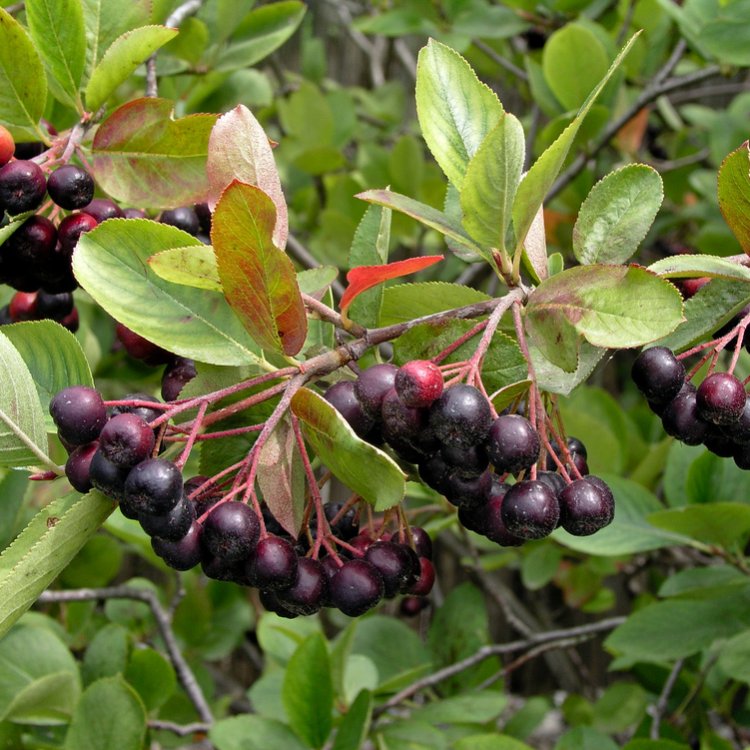
Aronia melanocarpa, commonly known as Chokeberry, is a versatile and attractive deciduous shrub gaining popularity in British gardens. This robust plant provides a wealth of seasonal appeal, from delicate white flowers in spring to a magnificent display of dark purple, nearly black berries in autumn.
Furthermore, its glossy green leaves transform into breathtaking shades of red and orange as cooler weather arrives. Consequently, it creates a visual spectacle long after other plants have faded. Gardeners appreciate its low-maintenance nature and its ability to thrive in various conditions across the UK. It truly offers a continuous show.
The name Aronia melanocarpa hints at its key characteristic: ‘melanocarpa’ means ‘black-fruited’. Indeed, this refers directly to its distinctive dark berries. Botanists classify this plant within the Rosaceae family, making it a relative of roses, apples, and hawthorns. This connection highlights its toughness and ornamental value. Originating from eastern North America, it has proven itself perfectly suited to the varied climates found throughout the United Kingdom. Its resilience means it copes well in many garden settings.
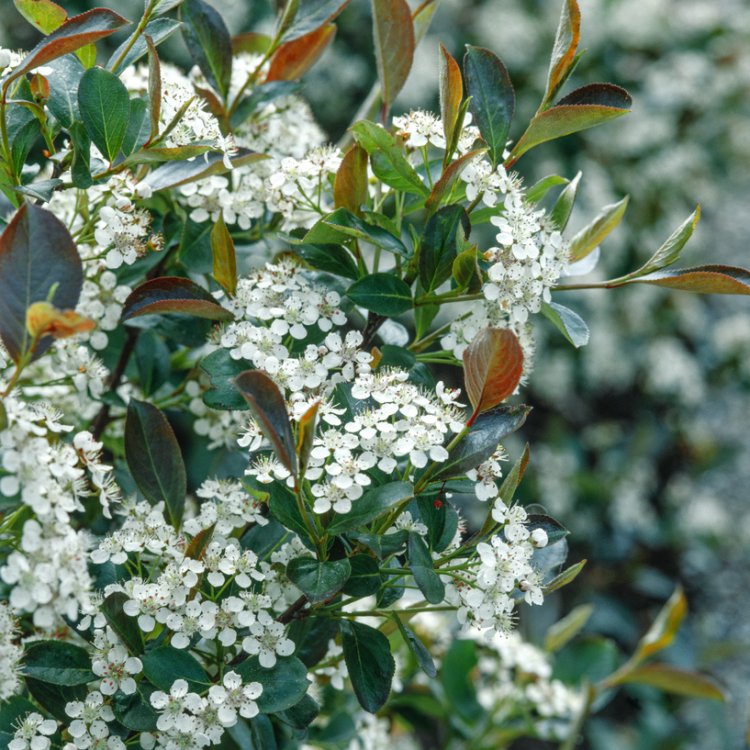
In late spring, typically May to June in the UK, Aronia melanocarpa adorns itself with charming clusters of small, white flowers. These blossoms appear generously against its emerging green leaves. Although individually modest, they collectively create a lovely, fresh display. Following this, the glossy green foliage provides a dense backdrop throughout the summer months. As autumn approaches, the leaves undergo a spectacular transformation. They burst into brilliant shades of crimson, orange, and even purple, providing a vibrant focal point. This long-lasting autumnal colour truly extends the garden’s season of interest.
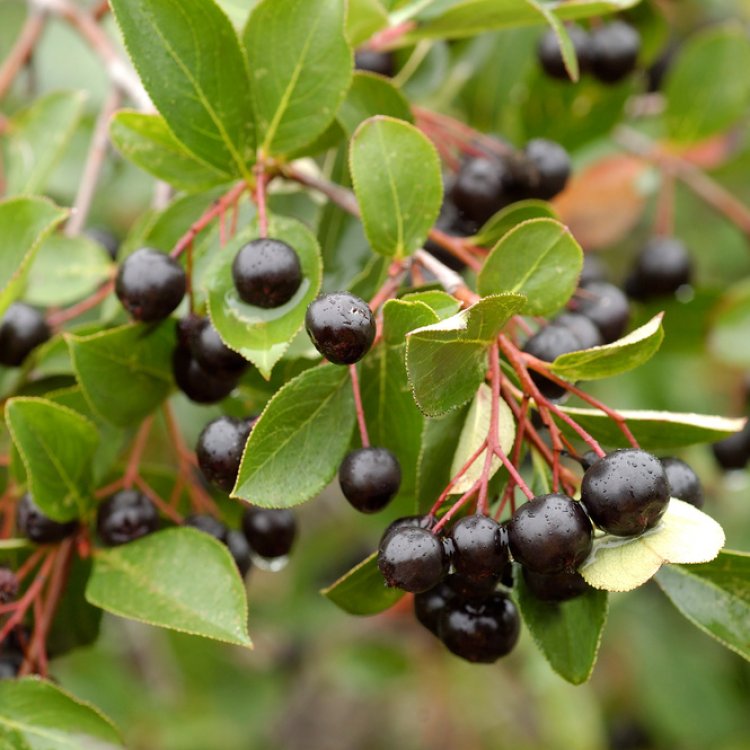
After the spring flowers fade, small, green fruits begin to form. These gradually ripen throughout summer, eventually maturing into abundant clusters of deep purple, almost black berries by early autumn. These berries, characteristic of Chokeberry, persist on the branches for a significant period. This makes them a valuable food source for various bird species, especially as winter approaches. Furthermore, the berries offer striking visual contrast against the fiery autumn leaves. Consequently, the plant provides both beauty and ecological benefit.
Aronia melanocarpa works wonderfully in many garden designs. You can plant it as a specimen shrub, allowing its natural form to shine. Alternatively, it excels when used for hedging or to define borders. Its compact size also makes it suitable for larger containers on patios. It adapts well to both formal and informal styles. Importantly, this plant is a boon for local wildlife. Its spring flowers attract beneficial pollinators, including bees and butterflies, eager for nectar. Later, the autumn berries provide sustenance for birds, ensuring your garden remains a vibrant ecosystem throughout the year.
Maintaining Aronia melanocarpa is generally straightforward. Minimal pruning is usually sufficient to keep the plant healthy and shapely. The best time for this is in late winter or early spring, before new growth begins. Focus on removing any dead, damaged, or weak branches. You can also thin out overcrowded stems to improve air circulation within the plant. This simple routine helps encourage vigorous growth and maintains its attractive, rounded habit for many years.
Very hardy. Tolerates temperatures typical of a continental winter.
Aronia melanocarpa requires minimal care once established. Water regularly during its first year, especially in dry spells, to ensure healthy root development. Prune in late winter or early spring to remove any dead, damaged, or crossing branches, and to maintain a desirable shape. Fertilisation is generally not essential in good soil, but a balanced slow-release feed can support growth if desired. This resilient shrub is largely pest and disease resistant, making it a low-maintenance choice for UK gardens.
This plant is deciduous so it will lose all of its leaves in the autumn and get fresh new foliage each spring.