£4.84 – £7.20Price range: £4.84 through £7.20
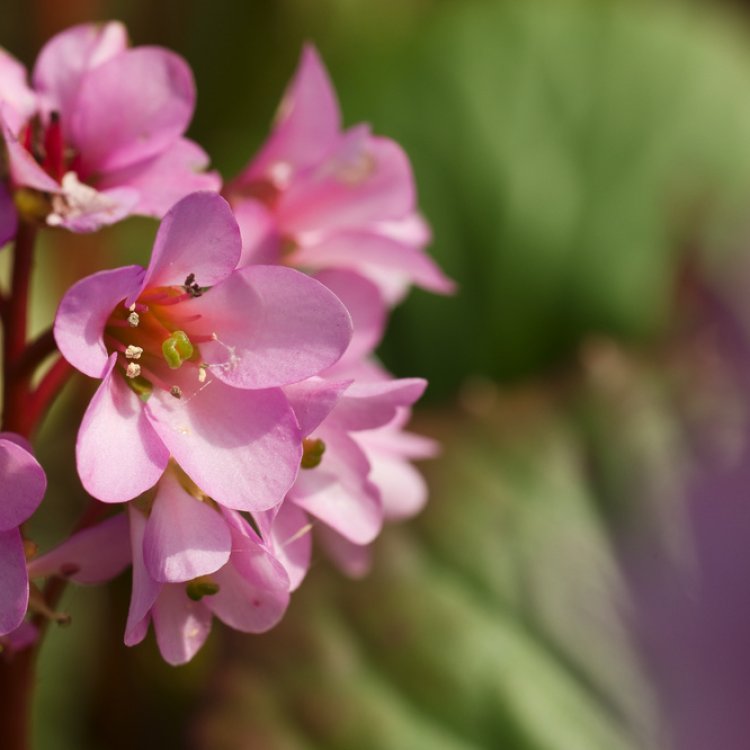
Bergenia cordifolia, or Elephant’s Ears, is a hardy evergreen perennial for UK gardens. It features bold, leathery foliage that colours in winter and displays vibrant pink to purple flowers in spring. Perfect for ground cover and year-round interest.
150 in stock
Discover Bergenia cordifolia, an evergreen perennial, famed for its bold foliage and vibrant spring flowers, adding year-round interest to UK gardens.
Bergenia cordifolia, widely known as ‘Elephant’s Ears’, is a cherished plant for UK gardens. This robust perennial offers enduring appeal, providing excellent ground cover with striking evergreen foliage. It also delivers a welcome splash of colour with beautiful spring flowers. This plant thrives in various conditions, showing impressive hardiness. Consequently, it makes a superb choice for borders, rockeries, and shady spots. It brings structure and charm to any garden.
The name Bergenia honours German botanist and physician Karl August von Bergen. Meanwhile, the specific epithet cordifolia aptly describes its heart-shaped leaves. Originating from areas like Siberia and Mongolia, Bergenia cordifolia suits cooler climates. It makes a star performer in British gardens.
The most striking feature of Bergenia cordifolia is its magnificent foliage. These glossy, leathery leaves are typically dark green. They form dense rosettes, persisting throughout the year. As winter arrives or temperatures drop, the leaves often transform into rich shades of bronze, red, or deep plum. This provides a beautiful dimension to the winter garden.
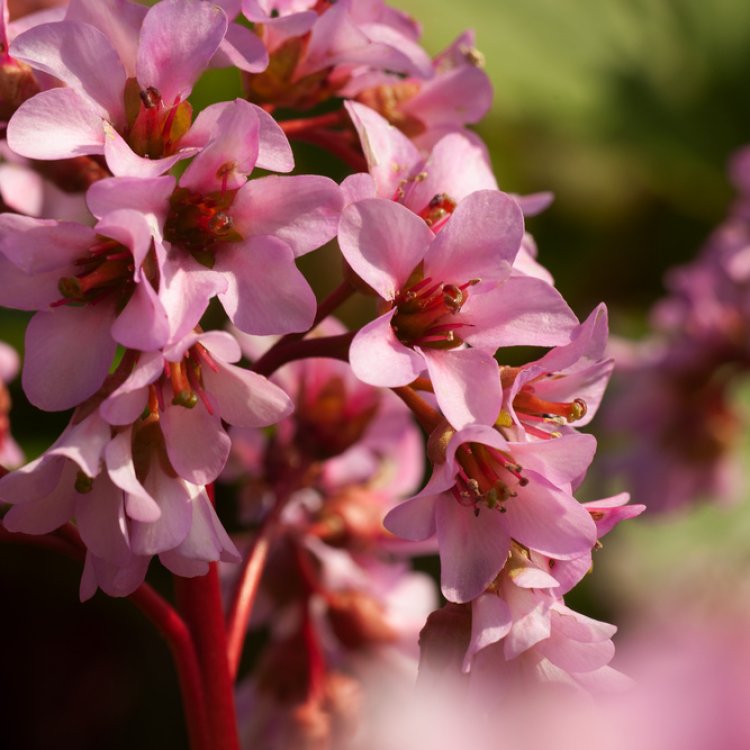
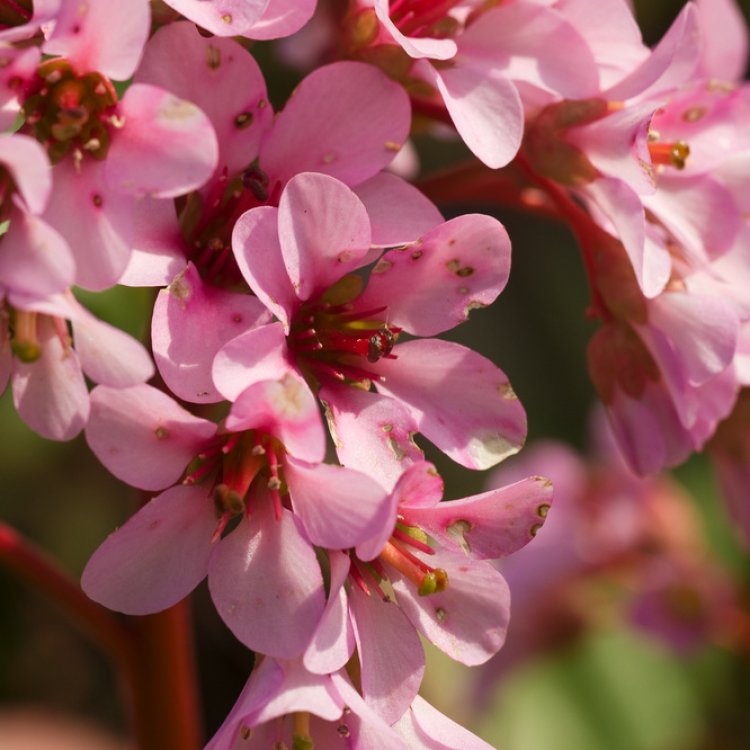
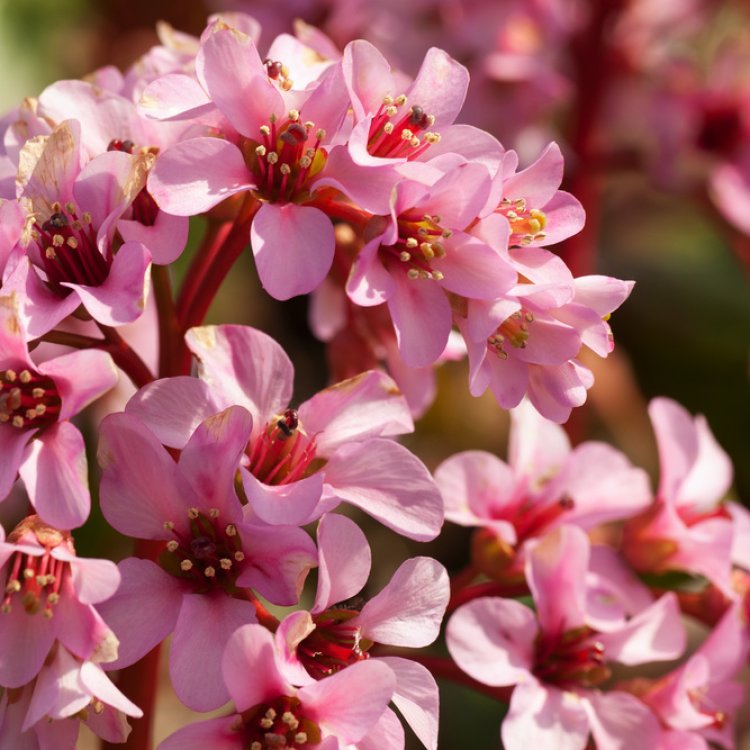
In spring, usually from March to May, sturdy stems rise above the foliage. They bear clusters of charming, bell-shaped flowers. These blooms appear in shades of pink, rose, or deep magenta, brightening the garden after the colder months.
Bergenia cordifolia offers immense versatility in garden design. Its robust nature makes it an excellent choice for ground cover, particularly in areas where other plants might struggle. You can plant it along paths or at the front of borders, where its bold texture contrasts well with finer-leaved plants.
It also performs wonderfully in rock gardens, woodland edges, or even containers. The plant forms neat, weed-suppressing clumps, requiring little fuss. Gardeners value this plant for its ability to soften hard landscaping. It works well when edging drives or pathways.
This plant needs no specific pruning; simply remove any faded flower stems or damaged leaves to keep it tidy. Furthermore, its early blooms provide vital food for pollinators. Bees and other insects readily visit the flowers, especially when other nectar sources are scarce.
Hardy in all of the UK and northern Europe. Suitable for exposed sites.
Bergenia cordifolia is a low-maintenance plant. Water regularly during dry spells, especially in the first year after planting. Remove any spent flower stems after blooming to encourage neatness. In late autumn or early spring, clear away old or damaged leaves at the base to keep the plant looking tidy and promote new growth. A light feed with a general-purpose fertiliser in spring can be beneficial, particularly in poor soils. Divide congested clumps every few years in autumn or spring to rejuvenate the plant.