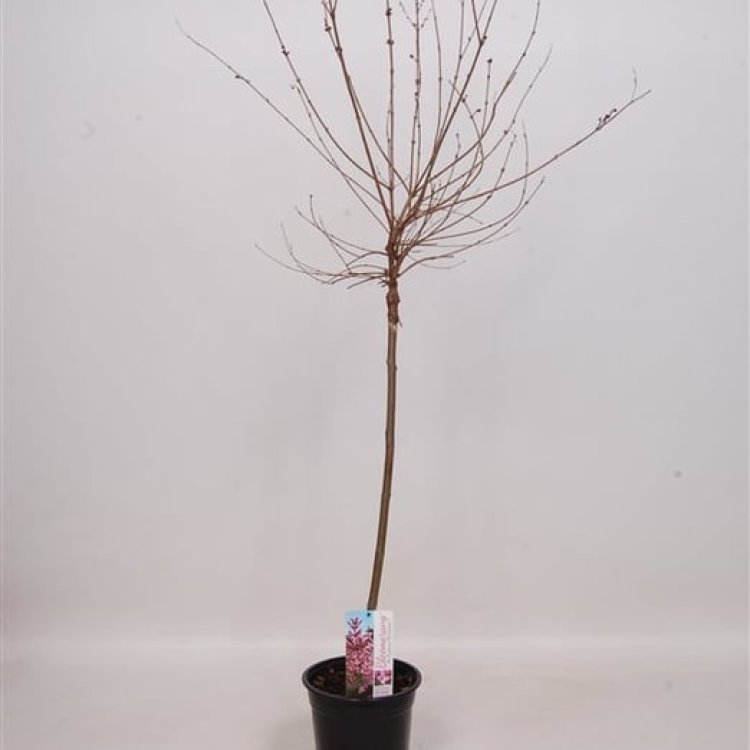
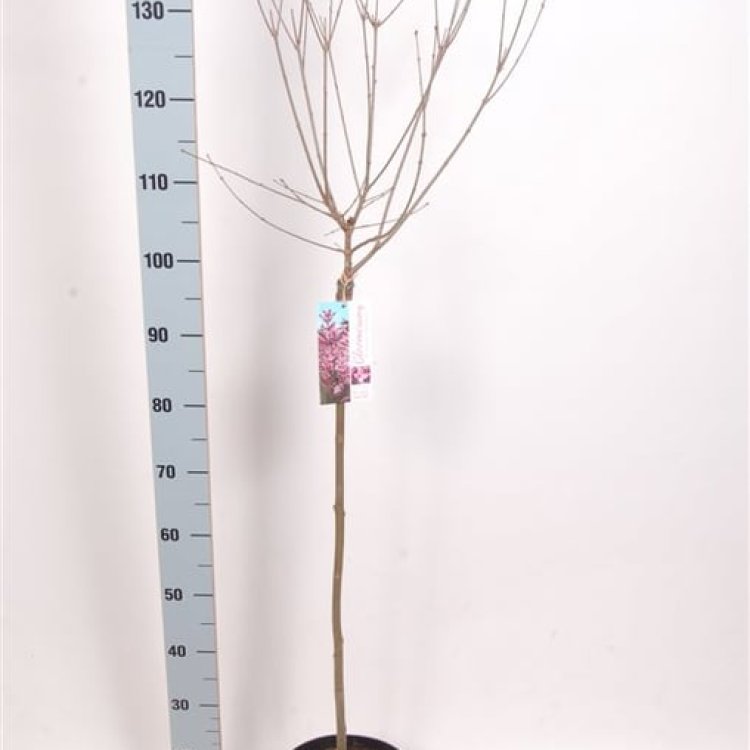
£20.83 – £23.18Price range: £20.83 through £23.18
Syringa ‘Pink Perfume’ is a reblooming lilac offering exquisite fragrance and vibrant soft pink flowers from spring to autumn. This compact, hardy shrub is perfect for UK gardens, attracting bees and butterflies with its charming, sweet-scented blooms.
164 in stock
Syringa ‘Pink Perfume’ is an exceptional lilac, famed for its exquisite fragrance and remarkable ability to bloom multiple times, bringing extended beauty to UK gardens.
This particular lilac, often simply called a ‘Pink Perfume’ lilac, offers a delightful departure from traditional varieties. Unlike many lilacs, it provides two distinct flowering periods each year. This extends its charm considerably. Its compact size also makes it an excellent choice for smaller gardens or patio containers. This ensures everyone can enjoy its captivating display.
Furthermore, this hardy shrub provides nectar for vital pollinators. It thereby enhances garden biodiversity.
Syringa ‘Pink Perfume’ represents a modern advancement in lilac breeding. It stands out from older varieties due to its unique reblooming characteristic. This means gardeners can savour its beauty for longer periods. The cultivar name, ‘Pink Perfume’, perfectly describes its most striking attributes: lovely pink flowers and a wonderful, pervasive fragrance.
This particular lilac was carefully developed. It offers both extended flowering and a more compact growth. As a result, it integrates beautifully into diverse garden designs.
In late spring, Syringa ‘Pink Perfume’ produces an abundance of conical flower panicles. These start as delicate lavender buds, opening into soft, rose-pink flowers. Each bloom contributes to the shrub’s overall sweet, classic lilac perfume. This powerful scent drifts delightfully on the breeze.
The fresh green leaves provide an attractive backdrop for the blossoms. As a deciduous shrub, its foliage turns a pleasing yellow in autumn before falling. It then prepares for new spring growth.
The versatile Syringa ‘Pink Perfume’ excels in many garden settings. It makes a stunning specimen plant in a mixed border. It creates a focal point with its fragrant blooms. Its moderate size also suits it well for informal hedging or as a backdrop for lower-growing perennials.
Many gardeners use it in large patio pots. This brings its exquisite scent closer to seating areas. Furthermore, its flowers are a magnet for buzzing bees and colourful butterflies. They gather nectar, aiding pollination across your garden. This lilac truly contributes to a vibrant, living ecosystem.
Pruning is sometimes done to maintain its attractive shape or to encourage an even better rebloom. A ‘Pink Perfume’ lilac plant truly elevates any outdoor space.
Very hardy. Tolerates temperatures typical of a continental winter.
For optimal growth, plant Syringa 'Pink Perfume' in a location with full sun and well-drained soil. Water regularly during its first year to establish strong roots; once established, it is relatively drought tolerant. Apply a balanced, slow-release fertiliser annually in early spring to support healthy growth and flowering. Prune immediately after the first flush of flowers in late spring/early summer by removing spent blooms to encourage reblooming. For shaping or to remove dead, diseased, or crossing branches, prune in late winter or early spring before new growth appears. Watch for common pests like leaf miners or diseases like powdery mildew, treating as necessary.
This plant is deciduous so it will lose all of its leaves in the autumn and get fresh new foliage each spring.