£7.33 – £9.68Price range: £7.33 through £9.68
Rosmarinus officinalis ‘Capri’ is a compact, fragrant rosemary, perfect for UK gardens. This evergreen shrub offers aromatic leaves for cooking and delicate blue flowers that attract bees. It thrives in full sun, providing year-round interest and beauty.
6482 in stock
Discover Rosmarinus officinalis ‘Capri’, a delightful rosemary cultivar that brings both culinary versatility and an enduring beauty to UK gardens throughout the year.
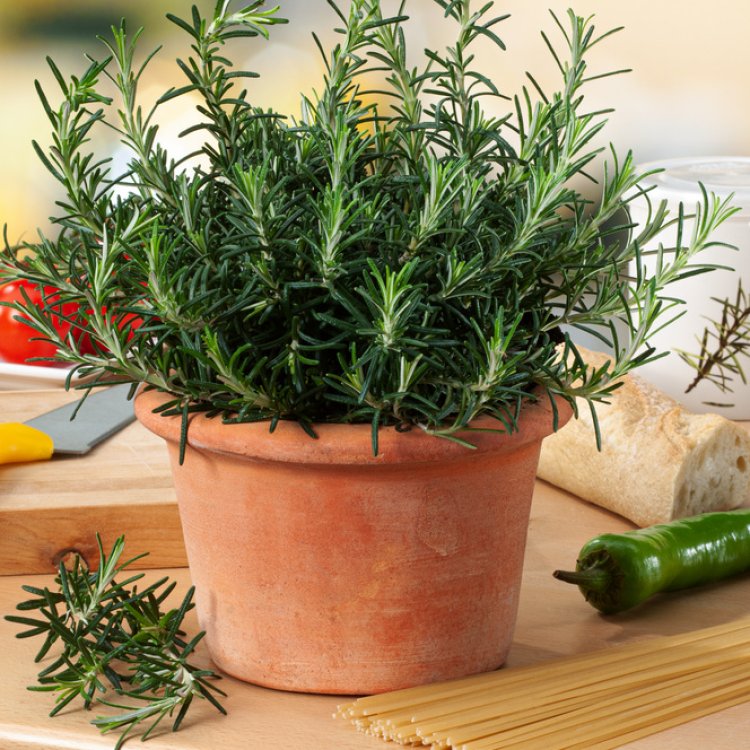
Rosmarinus officinalis ‘Capri’, commonly known as Rosemary, is a cherished evergreen shrub from the Mediterranean region. Gardeners value this particular cultivar for its compact growth habit and its fragrant, needle-like foliage. Historically, people associated Rosemary with remembrance. They also used it widely in traditional medicine and cooking.
This resilient plant thrives in sunny, well-drained spots. It provides a delightful sensory experience with its distinctive aroma and charming blue flowers. It adds structure and evergreen interest to many garden styles, from cottage to contemporary designs.
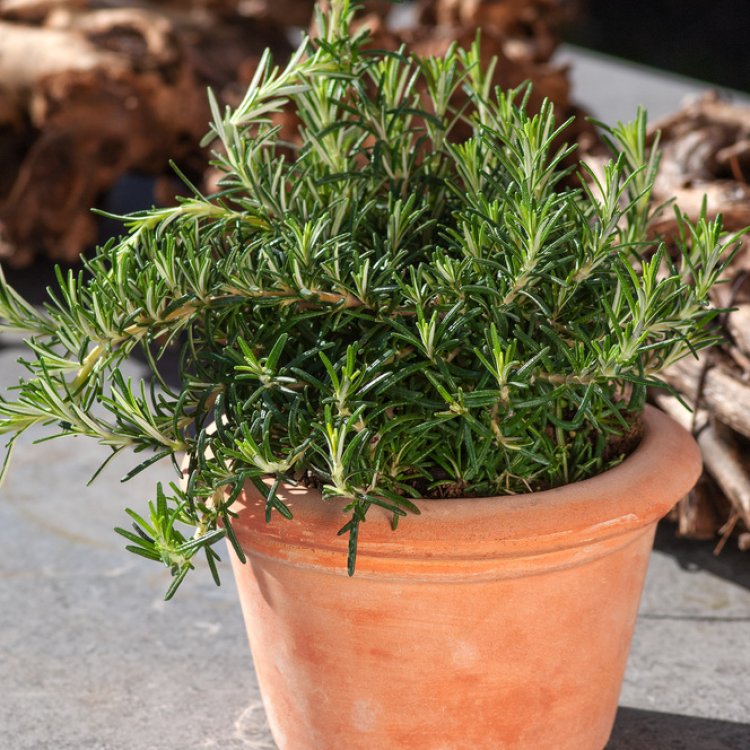
Rosmarinus officinalis ‘Capri’ truly embodies the essence of classic Rosemary. This cultivar presents a more refined, compact form. This delightful evergreen shrub graces UK gardens with its elegant, upright stems. It reaches a manageable height and spread of around 0.8 metres. Furthermore, its name ‘Capri’ likely evokes images of the sun-drenched Italian island. This hints at its preference for warm, bright conditions.
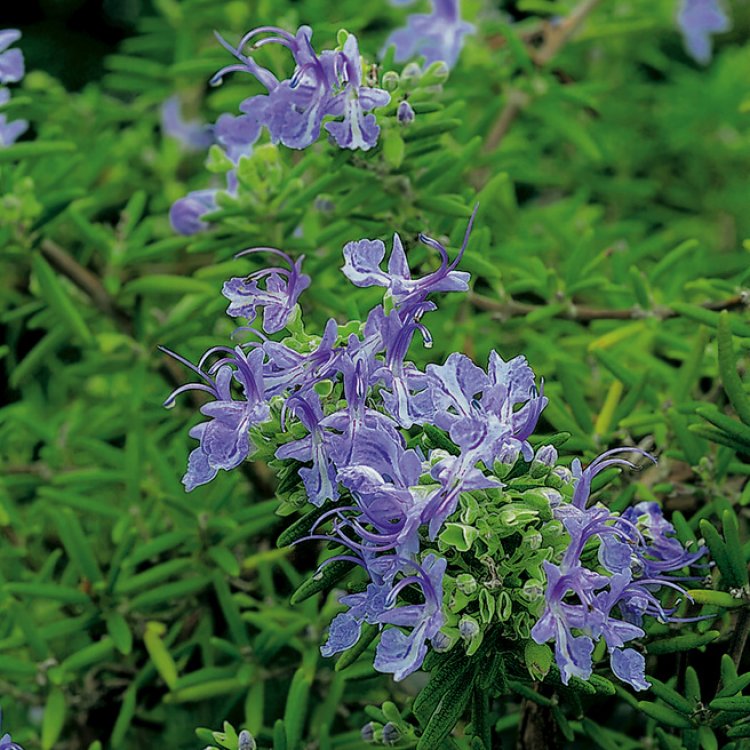
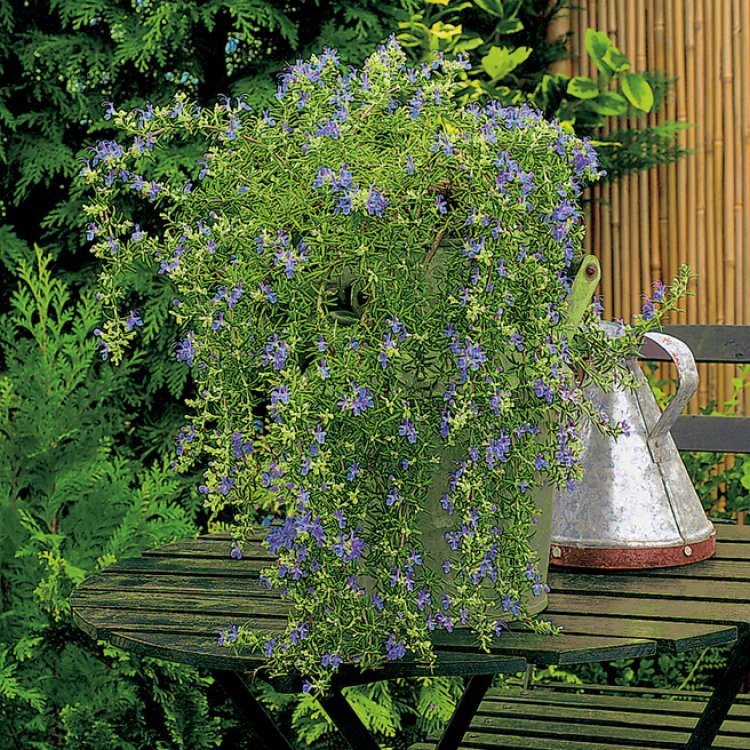
The deeply aromatic, needle-like leaves define this plant. They release a pungent, resinous scent when you brush against them. Consequently, Rosmarinus officinalis ‘Capri’ makes a superb choice for sensory gardens or pathways. You can also harvest these vibrant green leaves. They elevate countless culinary dishes, from roasted meats to fresh breads. The plant produces delicate, pale blue to purple flowers. These appear typically from early spring into early summer.
These charming blossoms not only add visual appeal. They also serve as a vital nectar source for bees and other important pollinators. Thus, they significantly boost garden biodiversity. Gardeners often incorporate Rosemary into mixed borders. They also use it in rock gardens, or as a low, informal hedge. Its tidy habit makes it perfect for containers. This allows you to move its fragrance closer to patios or seating areas.
To maintain a dense and attractive form, simply give Rosmarinus officinalis ‘Capri’ a light trim. Do this after its main flowering period. This encourages fresh growth. It also prevents the plant from becoming woody. This robust plant offers year-round interest and fragrance. It proves itself an indispensable addition to any herb garden or ornamental display.
Hardy across most of the UK except particularly exposed or cold regions.
Rosmarinus officinalis 'Capri' thrives in a sunny spot with well-drained soil. Water regularly after planting until established, but then reduce frequency as it becomes drought-tolerant. Provide light pruning after its main flowering period to maintain a dense, attractive shape and prevent woodiness. In very cold or exposed UK areas, consider offering some winter protection, especially to young plants, though it is generally hardy.