
£4.70 – £7.06Price range: £4.70 through £7.06
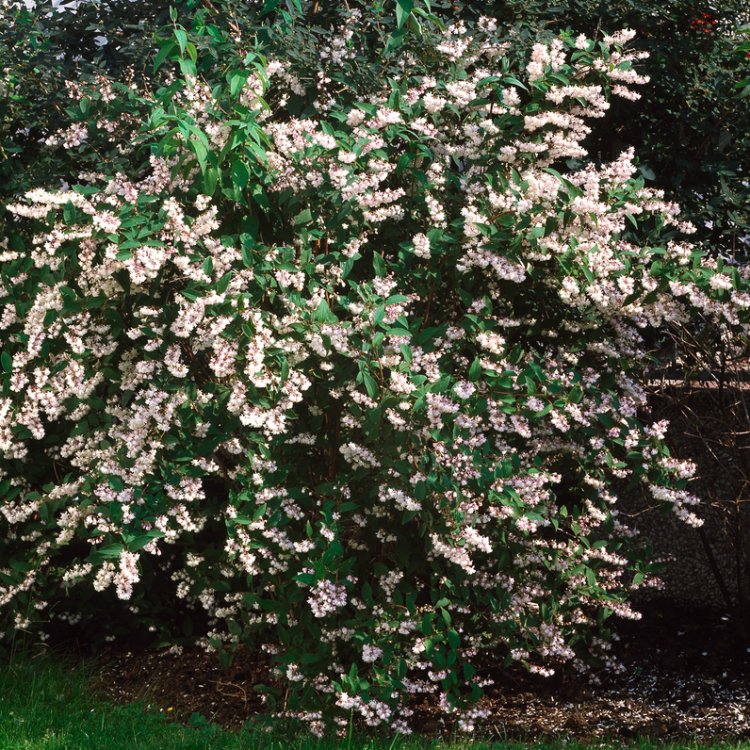
Deutzia scabra ‘Plena’ is an exquisite deciduous shrub. It showcases abundant double white flowers from late spring to early summer. Perfect for borders, it offers elegant beauty and attracts bees, thriving in UK gardens with ease.
500 in stock
Discover Deutzia scabra ‘Plena’, a stunning deciduous shrub gracing UK gardens with abundant double white flowers, bringing elegance to borders and beds.
Deutzia scabra ‘Plena’ is a captivating addition to any garden, celebrated for its spectacular floral displays. This elegant deciduous shrub, also known as the ‘Fuzzy Deutzia’, originates from Japan. It was introduced to Europe in the 19th century, quickly gaining popularity for its robust nature and beautiful blooms. Gardeners across the UK cherish this plant for its easy care and reliable summer performance.
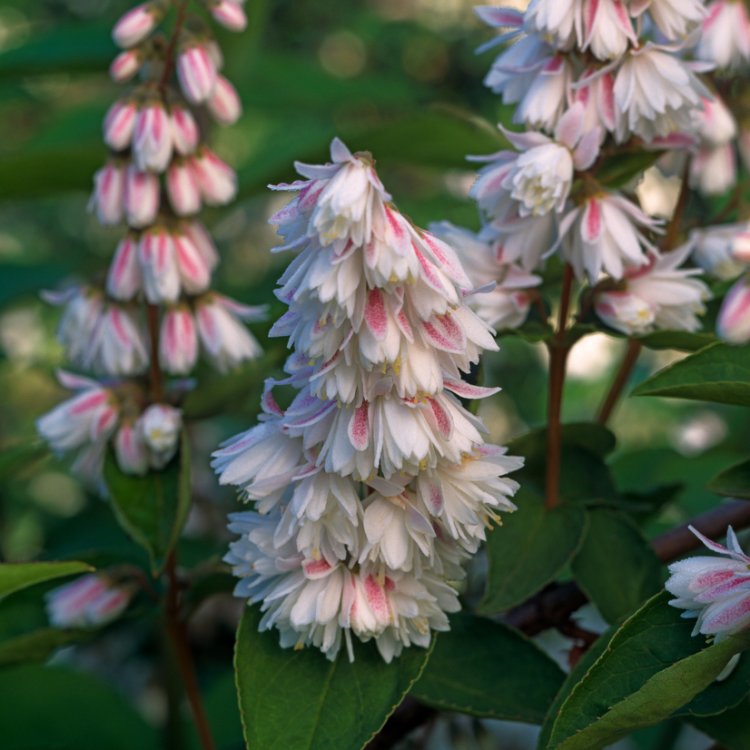
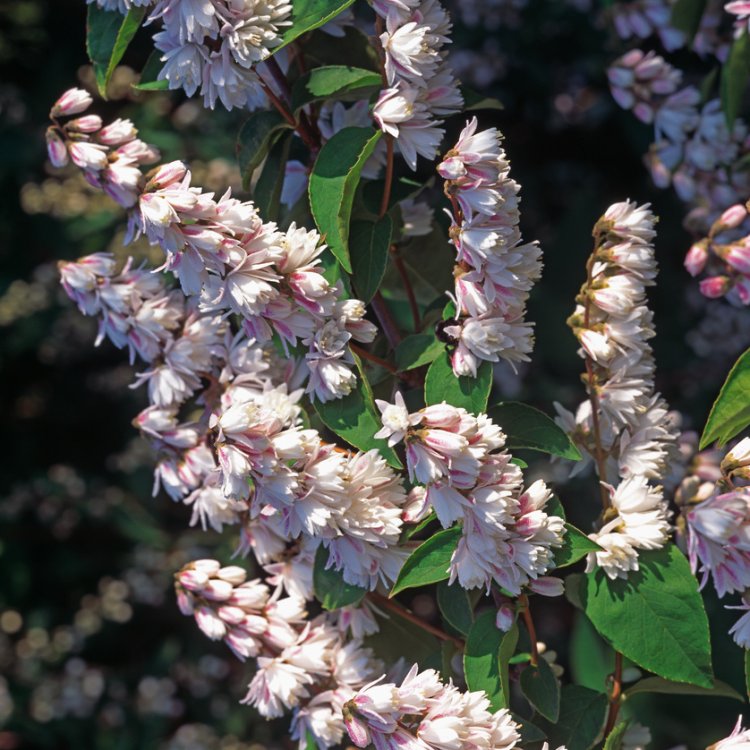
Deutzia scabra ‘Plena’ truly enchants with its profusion of delicate, star-shaped double white flowers. These exquisite blooms, often tinged with a subtle pink, appear generously from late spring into early summer. Each flower cluster creates a breathtaking spectacle. They adorn the plant like delicate pearls. The ‘Plena’ cultivar is particularly prized for these double blossoms. They offer a fuller, more luxurious appearance compared to its single-flowered relatives.
The common name ‘Fuzzy Deutzia’ comes from the slightly rough, textured surface of its dark green leaves. This foliage provides an excellent backdrop to the pristine white flowers. Throughout the growing season, the leaves maintain their fresh appearance, adding structure to the garden. As autumn approaches, the leaves typically show little autumnal colour before falling, signalling the plant’s deciduous nature.
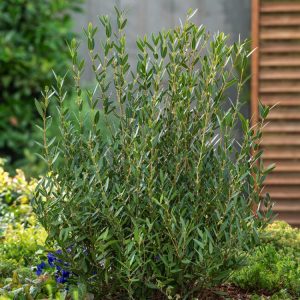
This robust shrub grows with a naturally bushy and upright habit. It creates a pleasing form in the landscape. It is wonderfully versatile in the garden. For instance, Deutzia scabra ‘Plena’ makes an excellent choice for the back of a mixed border. It provides height and a burst of summer colour.
Furthermore, it can form an informal hedge or screen. This offers both privacy and beauty. Its moderate size means it fits well into most garden designs.
Deutzia scabra ‘Plena’ is also a valuable plant for local wildlife. Its numerous flowers are a significant source of nectar and pollen. It therefore attracts bees and other beneficial insects to the garden. This makes it a great choice for encouraging biodiversity.
Pruning is generally straightforward. Simply remove any dead or weak stems after flowering. This practice helps maintain its vigour. It promotes an even more floriferous display the following year. It truly is a reliable and rewarding shrub.
Hardy in all of the UK and northern Europe. Suitable for exposed sites.
Deutzia scabra 'Plena' thrives in full sun to partial shade and well-drained soil. Water regularly after planting until established. Once mature, it is drought tolerant but benefits from occasional watering during prolonged dry spells. Prune after flowering in late summer by removing dead, weak, or crossing stems, and cutting back flowered shoots to a strong pair of buds. This encourages vigorous new growth and a prolific display of flowers next season.
This plant is deciduous so it will lose all of its leaves in the autumn and get fresh new foliage each spring.